




China BlGGEST coffee roaster manufacter factory, l year exported up 2000sets to 35 world countries.
From Green to Golden: The Art of Roasting Coffee with Gas
Time:
02 Oct,2024
From Green to Golden: The Art of Roasting Coffee with Gas
Table of Contents
- 1. Introduction to Coffee Roasting
- 2. Understanding Green Coffee Beans
- 3. The Science of Roasting Coffee
- 4. Why Use Gas for Coffee Roasting?
- 5. Preparing for the Roasting Process
- 6. The Roasting Technique
- 7. Monitoring the Roasting Progress
- 8. Achieving the Perfect Roast
- 9. Storing Your Roasted Coffee
- 10. Frequently Asked Questions
- 11. Conclusion
1. Introduction to Coffee Roasting
Roasting coffee is more than just a method for transforming green beans into consumable coffee; it is an art form that balances science and sensory experience. The journey from green to golden involves various stages, each contributing to the final flavor profile of the coffee. By understanding the intricacies of the roasting process, enthusiasts can unlock the full potential of their beans, creating coffee that is rich, aromatic, and perfectly balanced.
2. Understanding Green Coffee Beans
Green coffee beans are the raw seeds of the coffee cherry, and their characteristics significantly determine the final taste of the coffee. Factors such as the region of cultivation, altitude, and processing method all influence the beans' flavor profile. To appreciate the roasting process, one must first grasp the unique qualities of different varieties of green coffee beans, including their acidity, sweetness, and body.
2.1 The Role of Origin
Each coffee-growing region imparts distinct flavors to its beans. For instance, Ethiopian coffees are often fruity and floral, while Brazilian coffees tend to be chocolatey and nutty. Understanding these flavor profiles allows roasters to select beans that align with desired outcomes.
2.2 Bean Varieties and Their Characteristics
Various species of coffee exist, but Arabica and Robusta are the most common. Arabica beans are known for their sweetness and acidity, while Robusta beans are bolder and have higher caffeine content. Recognizing these differences is crucial for selecting the right beans for roasting.
3. The Science of Roasting Coffee
Roasting coffee is not merely a cooking process; it involves complex chemical reactions. When beans are roasted, they undergo Maillard reactions and pyrolysis, transforming their chemical composition and releasing oils, sugars, and acids that contribute to flavor.
3.1 Temperature Control
Temperature is a critical factor in roasting. As the temperature increases, various compounds in the beans break down, producing different flavors. Mastering the temperature curve allows roasters to manipulate the flavors effectively.
3.2 Roast Levels
Roasts can be categorized into light, medium, and dark. Light roasts preserve more of the beans' original flavors, while dark roasts emphasize the roasting process itself. Understanding the desired roast level is essential for achieving the perfect cup.
4. Why Use Gas for Coffee Roasting?
Gas roasting is favored by many coffee professionals due to its ability to provide precise temperature control and consistent results. Gas heat allows for rapid adjustments during the roasting process, giving roasters greater flexibility to achieve their desired flavor profiles.
4.1 Advantages of Gas Roasting
Gas roasting provides several benefits, such as:
- **Rapid heat adjustments**, allowing for immediate changes in roasting profiles.
- **Consistent heat distribution**, ensuring even roasting throughout the batch.
- **Versatility** in achieving various roast levels due to precise temperature control.
4.2 Types of Gas Roasters
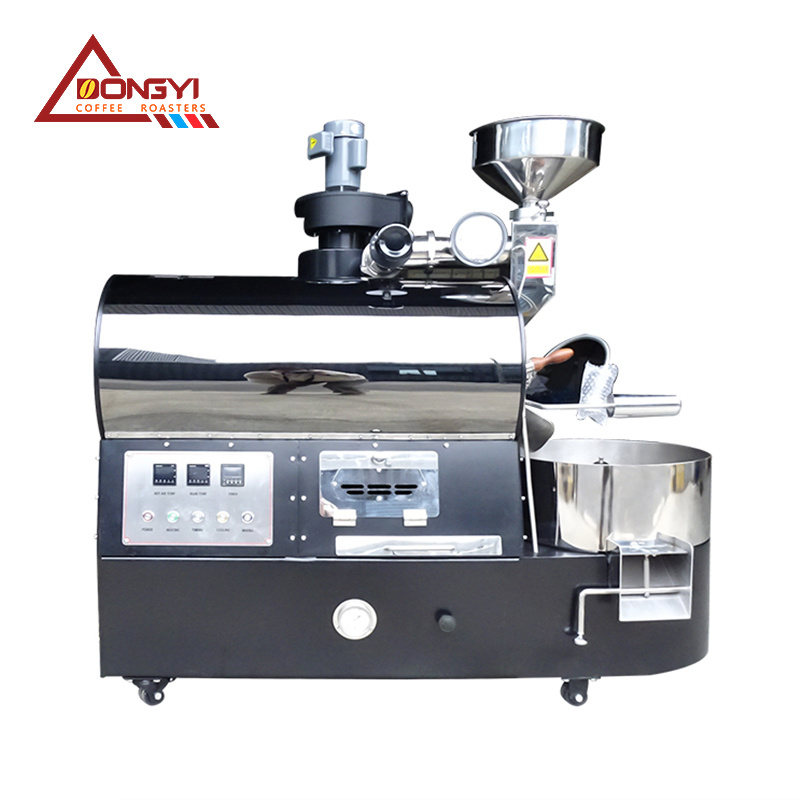
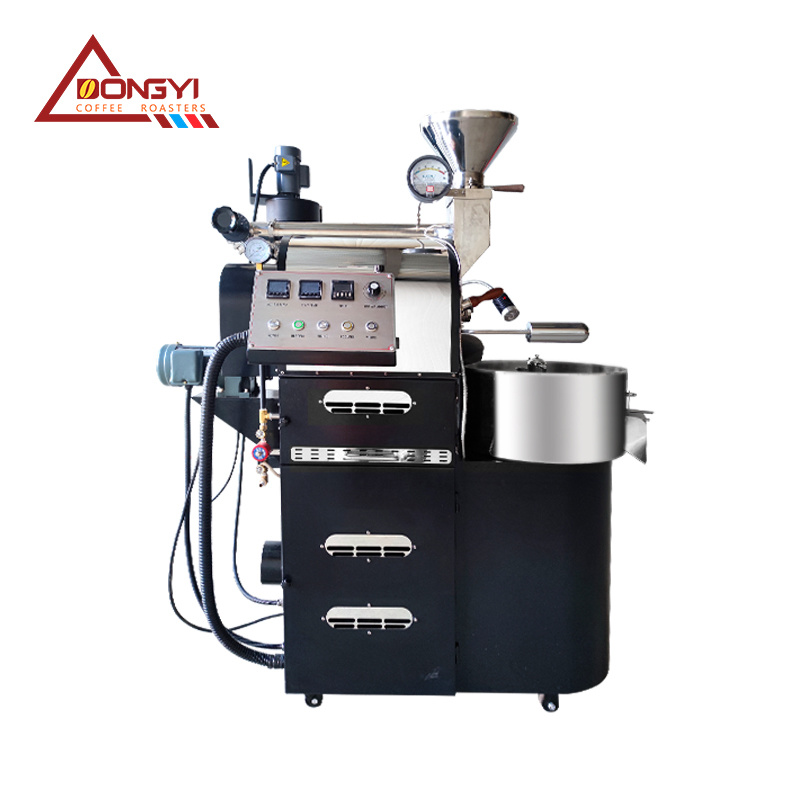
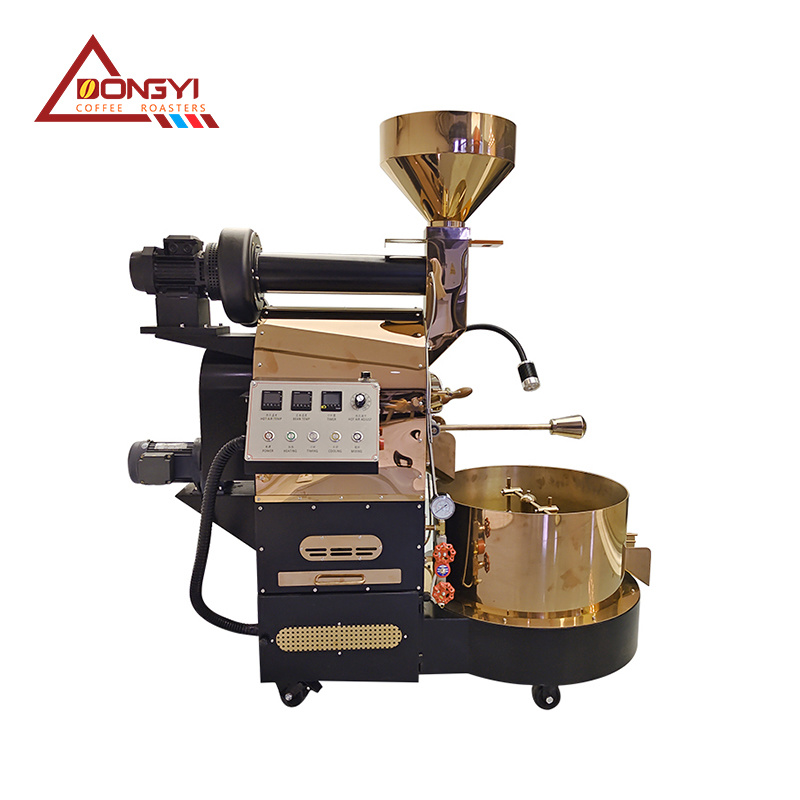
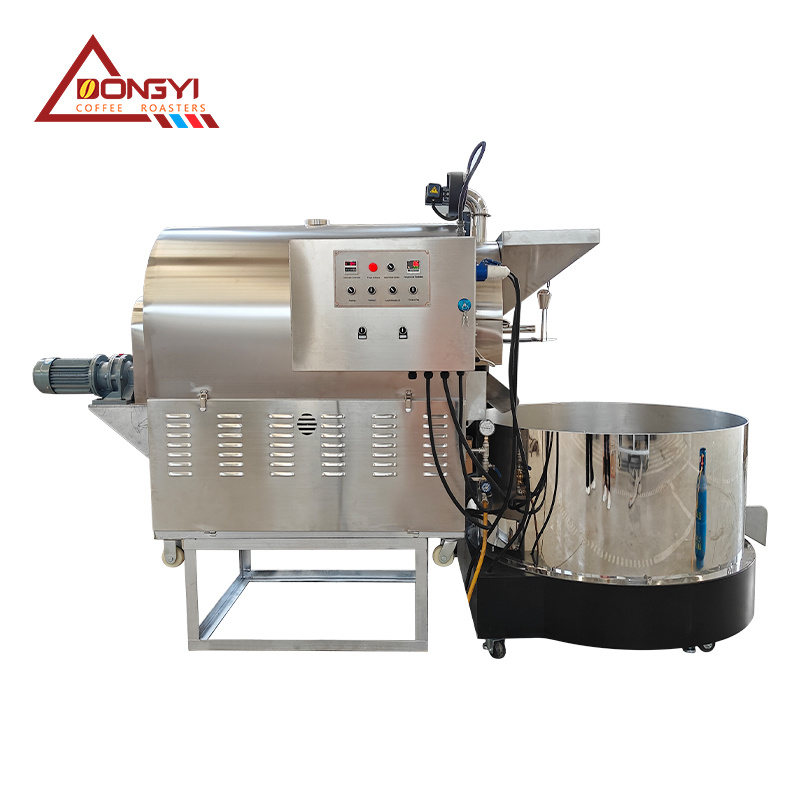
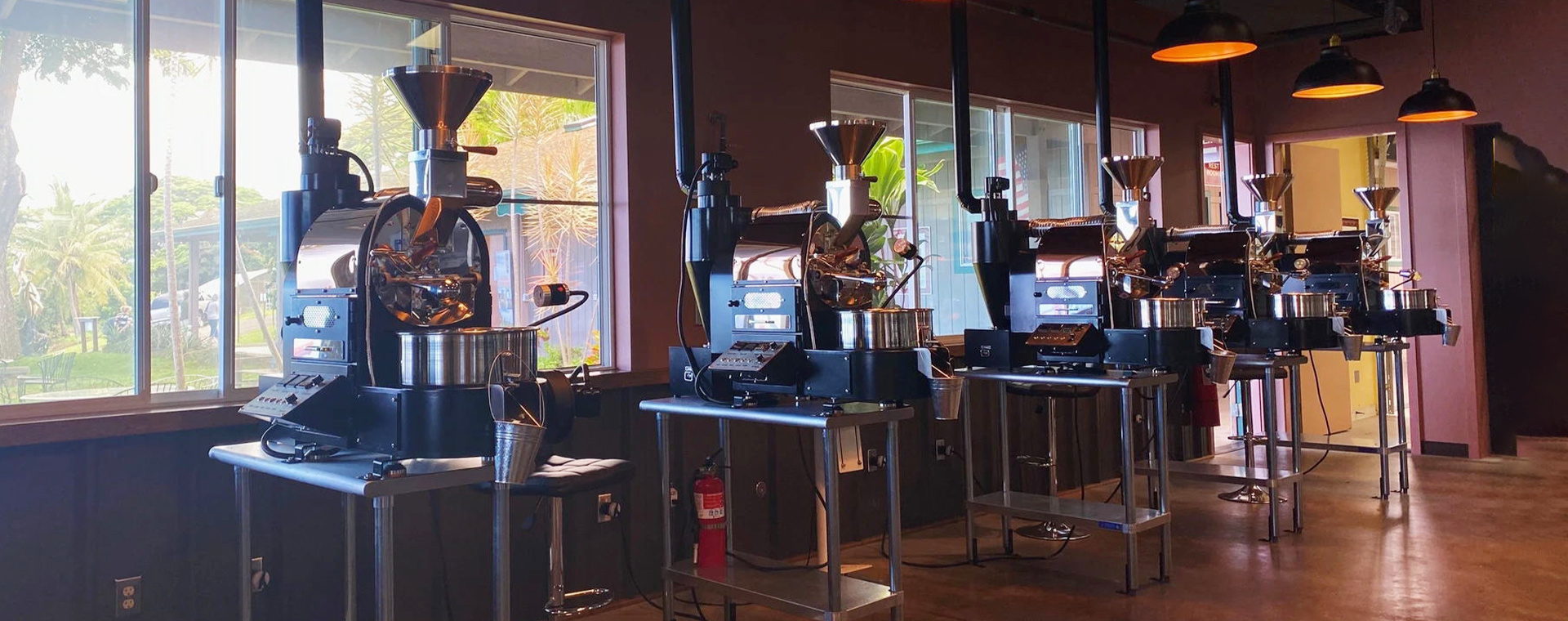
There are various types of gas roasters available on the market, including drum roasters and air roasters. Drum roasters are popular for their ability to handle larger batches, while air roasters are ideal for smaller quantities and quicker roasts.
5. Preparing for the Roasting Process
Before diving into the roasting process, proper preparation is essential. This includes selecting the right beans, equipment, and creating a conducive roasting environment.
5.1 Selecting Your Beans
Choose high-quality green coffee beans that suit your taste preferences. Experimenting with different origins and varieties can lead to exciting discoveries.
5.2 Equipment Needed for Roasting
Invest in a quality gas roaster, a cooling tray, and a scale to measure your beans accurately. Additional tools like a thermometer and cupping equipment can enhance your roasting experience.
6. The Roasting Technique
The roasting process can be broken down into several stages: drying, browning, and development. Each stage plays a crucial role in achieving the desired flavor and aroma.
6.1 The Drying Stage
During the first few minutes of roasting, moisture in the beans evaporates. This stage is crucial as it sets the foundation for the subsequent roasting stages.
6.2 The Browning Stage
As the beans continue to roast, they undergo the Maillard reaction, leading to the development of complex flavors and aromas. Monitoring this stage closely is essential for achieving the desired roast level.
6.3 The Development Stage
In the final stage, the beans reach their peak flavor. This stage requires careful attention to ensure you don’t over-roast, which can lead to bitter flavors.
7. Monitoring the Roasting Progress
Effective monitoring during the roasting process is crucial to achieving optimal results. Use sensory cues, such as sight, smell, and sound, to guide you through the roasting stages.
7.1 Visual Cues
Observe the color changes in the beans closely. The shift from green to yellow to brown indicates different stages of roasting.
7.2 Auditory Cues
Listen for the first and second cracks, which signal key points in the roasting process. The first crack indicates the transition from light to medium roast, while the second crack signifies darker roasts.
8. Achieving the Perfect Roast
Achieving the perfect roast is a combination of skill, experience, and experimentation. Keep detailed records of each roast to refine your technique over time.
8.1 Taste Testing
Conduct cupping sessions with your roasted coffee to assess flavor, acidity, and body. This practice will help you understand how different roasts impact the final cup.
8.2 Making Adjustments
Based on your taste tests, make adjustments to your roasting technique. Increasing or decreasing temperature, adjusting roasting time, and experimenting with different bean varieties can all lead to improved results.
9. Storing Your Roasted Coffee
Proper storage is essential to preserve the freshness and quality of your roasted coffee.
9.1 Choosing the Right Storage Containers
Use airtight containers to prevent exposure to air, moisture, and light. Glass jars, vacuum-sealed bags, or specialized coffee storage containers work well for this purpose.
9.2 Understanding Coffee Freshness
Coffee is best consumed within two weeks of roasting. After this period, it begins to lose its flavor and aroma.
10. Frequently Asked Questions
10.1 How long does it take to roast coffee beans?
The roasting time typically ranges from 10 to 20 minutes, depending on the desired roast level and the type of roaster being used.
10.2 Can I roast coffee at home?
Yes, with the right equipment and practice, anyone can roast coffee at home. Many home roasters start with small batches to perfect their technique.
10.3 What is the ideal roast level for espresso?
Medium to dark roasts are generally preferred for espresso, as they provide a rich, bold flavor that balances well with milk.
10.4 Does the roast level affect caffeine content?
Contrary to popular belief, roasting level has minimal impact on caffeine content. Darker roasts may taste bolder, but they do not necessarily contain more caffeine than lighter roasts.
10.5 How should I grind my beans for different brewing methods?
The grind size should match the brewing method; for instance, coarse grinds are ideal for French press, while fine grinds are better suited for espresso.
11. Conclusion
Roasting coffee is an intricate process that requires both art and science. By mastering the techniques of gas roasting, enthusiasts can transform green coffee beans into a golden treasure, resulting in a cup of coffee that is rich in flavor and aroma. With practice and dedication, you can elevate your coffee roasting skills, creating a personal brew that reflects your unique taste preferences. Embrace the journey from green to golden, and savor the delightful experiences that come with perfecting this timeless craft.
Recommended

Phone/WhatsApp:
Email:
About Us
We are a real coffee roasting machine manufacturer, providing OEM and ODM services, we have established a series of brands with our own characteristics.
HUATAO GROUP
Leave Message
Expand your business with a trusted partner
SAF Coolest v1.3.1.2 设置面板 GDNSD-ZRUA-MDADE-ZZE
无数据提示
Sorry, the current column is being updated, so stay tuned!