






China BlGGEST coffee roaster manufacter factory, l year exported up 2000sets to 35 world countries.
Mastering Seasonal Coffee Roasting: The Art of Adapting with a Classical Coffee Roaster
Time:
30 Sep,2024
Mastering Seasonal Coffee Roasting: The Art of Adapting with a Classical Coffee Roaster
Table of Contents
1. Introduction to Seasonal Coffee Roasting
2. Understanding Classical Coffee Roasters
3. The Science of Coffee Roasting
4. Importance of Seasonality in Coffee Beans
4.1. How Climate Affects Coffee Flavor
4.2. Identifying Seasonal Coffee Varieties
5. Techniques for Seasonal Coffee Roasting
5.1. Adjusting Roast Profiles Based on Season
5.2. Experimenting with Different Bean Origins
6. Flavor Profiles Across Seasons
6.1. Spring and Summer Roasting Tips
6.2. Fall and Winter Roasting Strategies
7. Common Challenges and Solutions in Seasonal Roasting
8. Frequently Asked Questions (FAQs)
9. Conclusion
1. Introduction to Seasonal Coffee Roasting
The world of coffee is as dynamic as the seasons themselves. Just as nature transforms with the changing weather, so too do the flavors of coffee beans. Seasonal coffee roasting allows us to embrace these changes, bringing a unique depth to our brews. By understanding how to adapt our roasting methods using a classical coffee roaster, we can craft exquisite flavor profiles that evolve throughout the year.
2. Understanding Classical Coffee Roasters
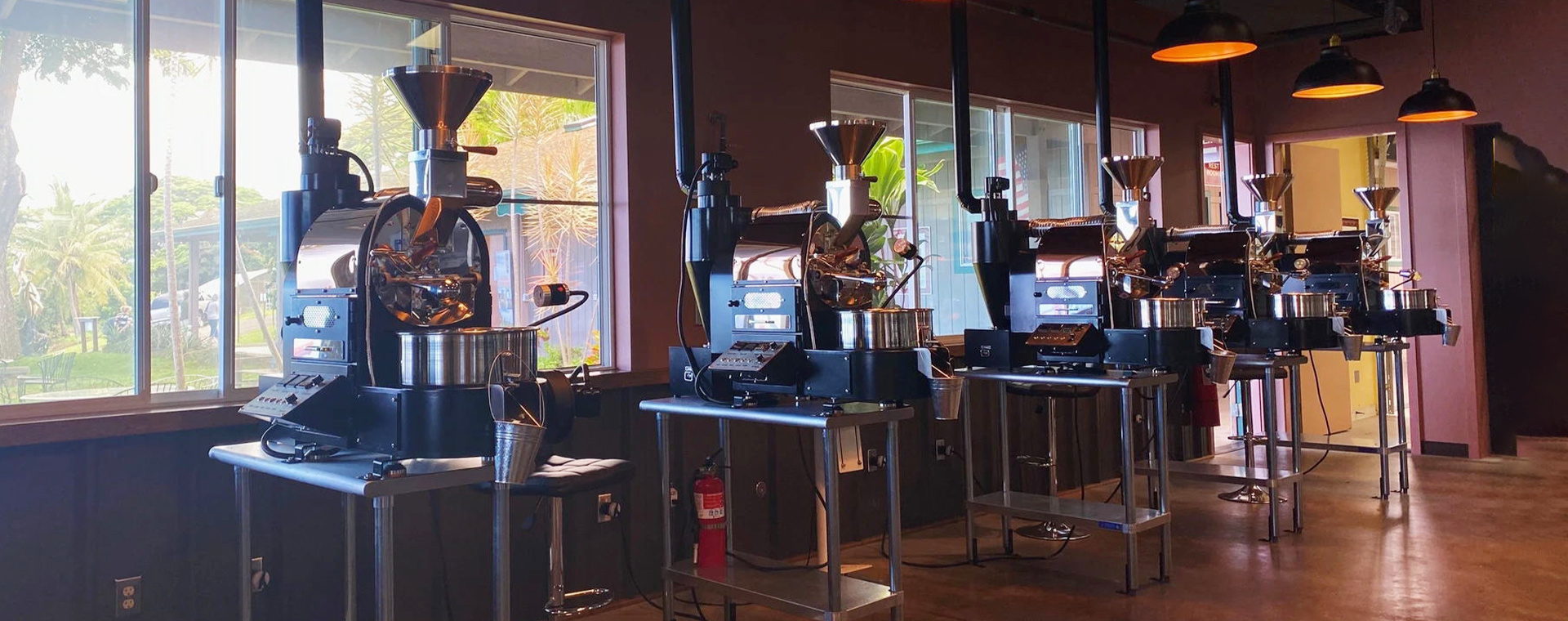
Classical coffee roasters, often characterized by their vintage designs and manual operation, play a pivotal role in the art of coffee roasting. These machines provide a direct and interactive experience, allowing roasters to feel and hear the transformation of coffee beans. Unlike automated roasters, classical models require a more hands-on approach, fostering a deeper connection between the roaster and the craft.
3. The Science of Coffee Roasting
Coffee roasting is not merely an art; it is a science that involves the interaction of heat, time, and the chemical properties of the coffee bean. As beans are exposed to heat, they undergo physical and chemical changes, resulting in the development of flavor compounds. Understanding these stages—drying, browning, and development—is crucial for any roaster aiming to adapt their methods seasonally.
4. Importance of Seasonality in Coffee Beans
Seasonality is paramount in coffee sourcing, impacting both flavor and availability. The unique characteristics of coffee beans are influenced by their growing conditions, which change with the seasons.
4.1. How Climate Affects Coffee Flavor
Climate plays a pivotal role in the flavor profile of coffee beans. Factors such as temperature, rainfall, and altitude significantly influence the beans' sweetness, acidity, and body. For instance, beans from higher altitudes often exhibit more pronounced acidity and fruity notes, while those grown in warmer climates might deliver a richer, chocolatey flavor.
4.2. Identifying Seasonal Coffee Varieties
Recognizing when specific coffee varieties are in season can enhance your roasting endeavors. Common seasonal varieties include Ethiopian Yirgacheffe in spring and Colombian Supremo during the fall. Familiarizing yourself with the seasonal calendar will allow you to source beans at their peak, ensuring your roasts are vibrant and full of flavor.
5. Techniques for Seasonal Coffee Roasting
Adapting your roasting techniques to align with seasonal shifts can significantly enhance the flavor of your coffee.
5.1. Adjusting Roast Profiles Based on Season
Different seasons call for distinct roast profiles. In warmer months, lighter roasts often complement the natural brightness of the beans, while autumn and winter may call for deeper, richer roasts. Adjusting your roasting temperature and time can bring out the best characteristics of each bean.
5.2. Experimenting with Different Bean Origins
Each coffee-growing region offers unique flavor profiles influenced by local climate and soil. During different seasons, experiment with beans from various origins to discover new flavors. For example, Costa Rican beans may shine in the summer months due to their vibrant acidity, while Brazilian beans may provide a comforting depth during the colder months.
6. Flavor Profiles Across Seasons
Understanding how flavors evolve with the seasons can guide your roasting decisions.
6.1. Spring and Summer Roasting Tips
In spring and summer, aim to highlight the brightness and floral notes present in lighter roasts. Fruity and acidic coffees, such as those from Kenya, can be particularly delightful during these months. Focus on shorter roast times to preserve these vibrant flavors.
6.2. Fall and Winter Roasting Strategies
As the temperature drops, people often gravitate towards richer, fuller-bodied coffees. In fall and winter, consider darker roasts that highlight chocolate and spice notes. Beans from Guatemala or Sumatra can provide the comforting flavors we crave during colder months.
7. Common Challenges and Solutions in Seasonal Roasting
Adapting to seasonal changes can present challenges, but understanding these hurdles can pave the way for successful roasting.
One common challenge is the inconsistency of bean quality throughout the year. To counter this, establish relationships with trusted suppliers and focus on sourcing high-quality beans. Another issue can be over or under-roasting, which can be managed by fine-tuning your roasting parameters based on the season and bean variety.
8. Frequently Asked Questions (FAQs)
1. What is the best way to store roasted coffee for seasonal use?
To maintain freshness, store roasted coffee in an airtight container in a cool, dark place. Avoid refrigeration as it can introduce moisture.
2. How long should I roast coffee beans for optimal flavor?
Roast times vary based on the bean type and desired profile. Generally, lighter roasts take about 10-12 minutes, while darker roasts may take 12-15 minutes.
3. Can I roast coffee beans at home using a classical roaster?
Yes, classical coffee roasters are often ideal for home use. They allow for precise control over the roasting process, making them perfect for experimenting with seasonal flavors.
4. How can I tell when my coffee beans are roasted to perfection?
Listen for the “first crack,” which indicates the beans are light to medium-roasted. The second crack suggests a medium to dark roast. Visual cues, such as color and oiliness, are also helpful.
5. Are there specific beans better suited for seasonal roasting?
Yes, certain beans shine in different seasons. For example, bright, fruity beans work well in summer, while chocolatey, full-bodied beans are perfect for winter.
9. Conclusion
Mastering seasonal coffee roasting with a classical coffee roaster requires a blend of knowledge, skill, and a genuine passion for the craft. By understanding the relationship between climate, coffee origins, and roasting techniques, we can create exceptional brews that reflect the beauty of each season. Embrace the challenge of adapting your roasting methods and enjoy the rich, diverse flavors coffee has to offer throughout the year. Whether you are a home enthusiast or a professional barista, the art of seasonal coffee roasting is an ever-rewarding journey waiting to be explored.
Recommended

Phone/WhatsApp:
Email:
About Us
We are a real coffee roasting machine manufacturer, providing OEM and ODM services, we have established a series of brands with our own characteristics.
HUATAO GROUP
Leave Message
Expand your business with a trusted partner
SAF Coolest v1.3.1.2 设置面板 GDNSD-ZRUA-MDADE-ZZE
无数据提示
Sorry, the current column is being updated, so stay tuned!