



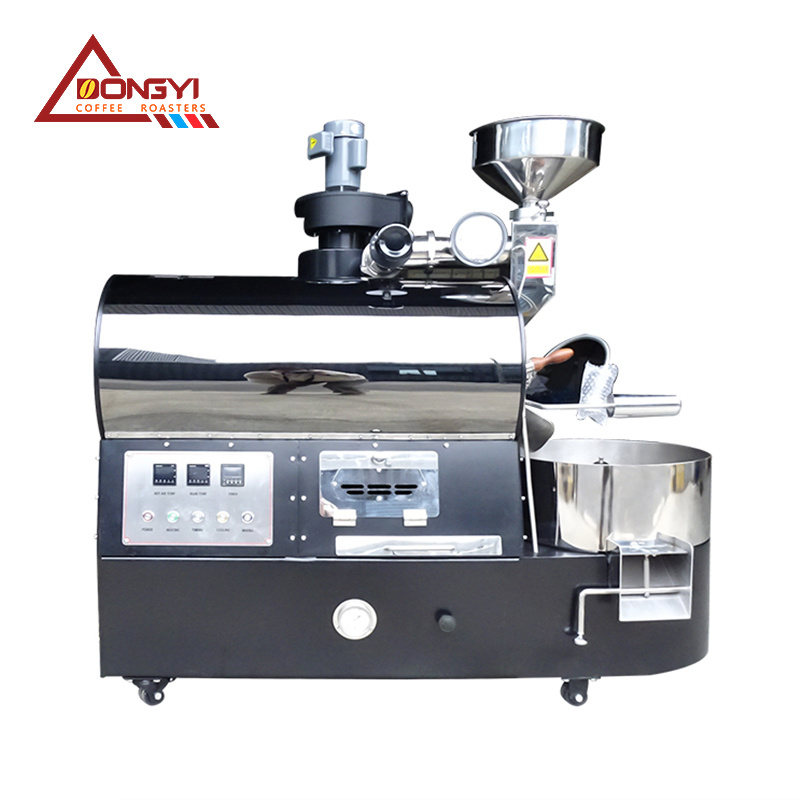
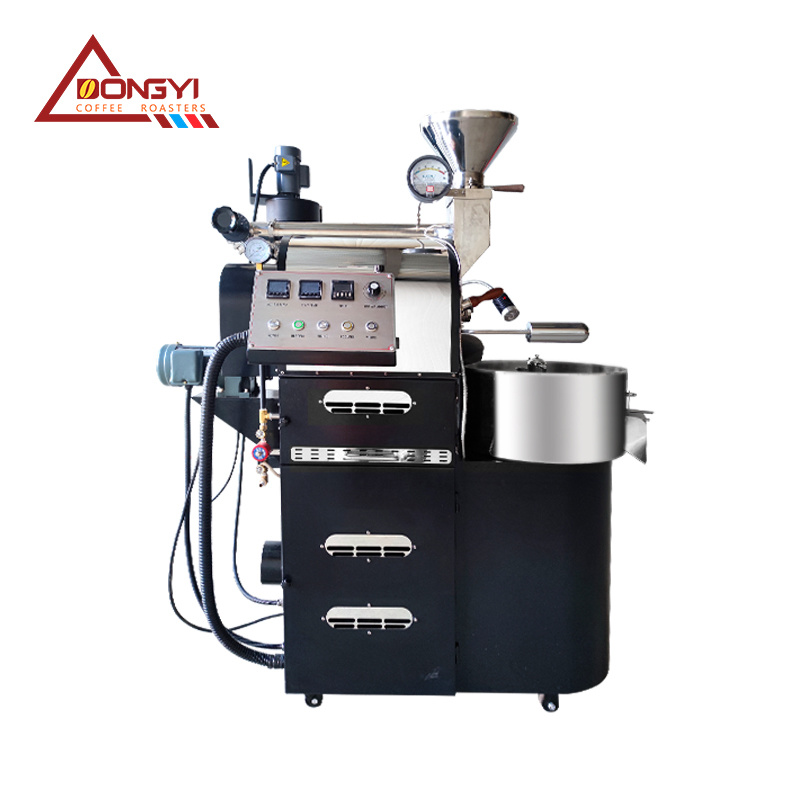
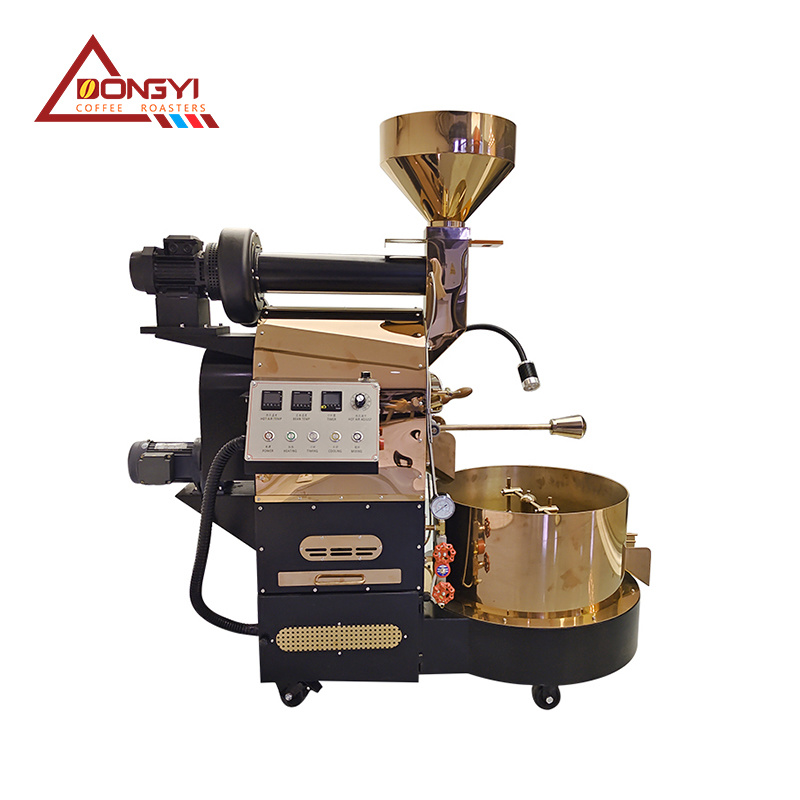

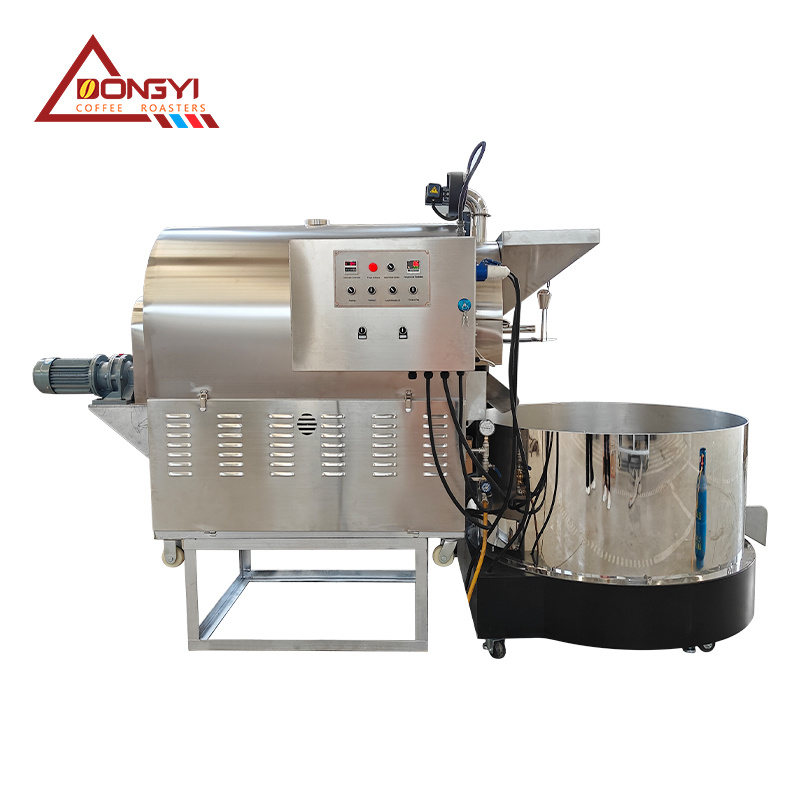
China BlGGEST coffee roaster manufacter factory, l year exported up 2000sets to 35 world countries.
Unlocking the Flavor: How a Gas Coffee Roaster Transforms Your Beans
Time:
18 Sep,2024
Unlocking the Flavor: How a Gas Coffee Roaster Transforms Your Beans
Table of Contents
1. Introduction to Gas Coffee Roasting
2. Understanding the Coffee Roasting Process
2.1 The Science Behind Roasting
2.2 Different Roasting Methods
3. Why Choose a Gas Coffee Roaster?
3.1 Benefits of Gas Roasting Over Electric
3.2 Flavor Profiles Enhanced by Gas Roasting
4. Key Features of Gas Coffee Roasters
4.1 Temperature Control and Consistency
4.2 Roasting Capacity and Design
5. How to Use a Gas Coffee Roaster Effectively
5.1 Preparing Your Green Beans
5.2 Monitoring the Roasting Process
6. Tips for Achieving the Perfect Roast
6.1 Understanding Roast Levels
6.2 Experimenting with Time and Temperature
7. Maintenance and Care for Gas Coffee Roasters
7.1 Cleaning Your Roaster
7.2 Troubleshooting Common Issues
8. Conclusion
9. Frequently Asked Questions (FAQs)
1. Introduction to Gas Coffee Roasting
Coffee enthusiasts know that the journey from bean to cup is vital for achieving the perfect brew. Among various methods of roasting, gas coffee roasting stands out as a technique that enhances flavor and aroma. Unlike traditional electric methods, gas roasting provides chefs and baristas with precise temperature control and the ability to manipulate the roasting environment effectively. In this article, we will explore how gas coffee roasters transform beans, resulting in a superior coffee experience.
2. Understanding the Coffee Roasting Process
To appreciate the benefits of gas coffee roasting, it's essential to understand the roasting process itself.
2.1 The Science Behind Roasting
During roasting, green coffee beans undergo a series of complex chemical reactions. The Maillard reaction, caramelization, and the evaporation of moisture all contribute to the development of flavor. As the beans heat up, their color changes from green to yellow, then to brown, culminating in the familiar dark hue of roasted coffee.
2.2 Different Roasting Methods
While gas roasting is popular, other methods include drum roasting and hot air roasting. Each method has its unique traits, which affect the outcome of the roasted beans. Understanding the differences allows coffee roasters to choose the best method for their desired flavor profiles.
3. Why Choose a Gas Coffee Roaster?
Gas coffee roasters offer several advantages over other roasting methods, making them a preferred choice for both amateur and professional roasters.
3.1 Benefits of Gas Roasting Over Electric
Gas roasters provide faster heat-up times and unparalleled control over temperature. This precise control allows for consistent roasting, delivering uniform results across batches. Furthermore, gas roasters can reach higher temperatures than electric counterparts, ensuring optimal flavor extraction.
3.2 Flavor Profiles Enhanced by Gas Roasting
Gas coffee roasting can elevate the flavor profiles of beans. The direct flame allows for more dynamic heat transfer, resulting in complex flavor notes. Roasters often find that gas-roasted beans exhibit brighter acidity and more pronounced sweetness, making for a delightful cup of coffee.
4. Key Features of Gas Coffee Roasters
When selecting a gas coffee roaster, it's important to consider various features that enhance the roasting experience.
4.1 Temperature Control and Consistency
A reliable gas coffee roaster should offer precise temperature controls, enabling the roaster to manipulate heat levels consistently throughout the process. This consistency ensures that each batch retains the desired flavor characteristics.
4.2 Roasting Capacity and Design
Gas roasters come in various sizes, catering to different roasting needs. Whether roasting for personal enjoyment or commercial purposes, the design and capacity of the roaster must align with your goals.
5. How to Use a Gas Coffee Roaster Effectively
Utilizing a gas coffee roaster can be straightforward, but mastering the technique takes practice and patience.
5.1 Preparing Your Green Beans
Start by selecting high-quality green beans. Properly storing them will ensure optimal freshness. When ready to roast, measure the quantity based on the capacity of your gas roaster.
5.2 Monitoring the Roasting Process
As the roasting progresses, it’s crucial to monitor changes in color and aroma. Experienced roasters often rely on their senses to determine the optimal roast time, while beginners may benefit from using a timer.
6. Tips for Achieving the Perfect Roast
Every coffee roaster has their unique style, but several tips can help refine the roasting process.
6.1 Understanding Roast Levels
Familiarizing yourself with the different roast levels—light, medium, and dark—will guide your roasting journey. Each level imparts distinct flavors, so choose based on your preferences.
6.2 Experimenting with Time and Temperature
Every batch of beans is unique. Experimentation with different times and temperatures can yield surprising and delightful flavor outcomes. Document your results to replicate successful roasts.
7. Maintenance and Care for Gas Coffee Roasters
Proper maintenance of your gas coffee roaster is essential for longevity and optimal performance.
7.1 Cleaning Your Roaster
Regular cleaning is vital to prevent the buildup of oils and residues that can taint your coffee. Follow the manufacturer’s instructions for effective cleaning practices.
7.2 Troubleshooting Common Issues
Gas coffee roasters may encounter issues such as uneven roasting or inconsistent temperatures. Troubleshooting these problems often involves checking gas supply, cleaning burners, or recalibrating temperature settings.
8. Conclusion
In conclusion, a gas coffee roaster is a transformative tool for anyone passionate about coffee. By understanding the roasting process, choosing the right equipment, and mastering techniques, you can unlock flavor profiles that elevate your coffee experience. Whether you are roasting at home or in a café, the precision and benefits offered by gas roasting can lead to a remarkable cup of coffee that delights the senses.
9. Frequently Asked Questions (FAQs)
1. What is the difference between gas and electric coffee roasters?
Gas coffee roasters provide faster heat-up times and offer greater temperature control compared to electric roasters, resulting in more consistent roasting.
2. Can I use a gas coffee roaster at home?
Yes, many gas coffee roasters are designed for home use, although it's important to ensure you have the proper ventilation.
3. How do I know when my coffee beans are roasted to perfection?
Perfectly roasted beans will have a rich aroma and a color that corresponds to your desired roast level. Monitoring the color change and listening for the first and second cracks can help.
4. How often should I clean my gas coffee roaster?
Cleaning your gas coffee roaster should be done after each use to prevent the buildup of oils and residues. Regular maintenance ensures optimal performance.
5. What types of beans are best for gas roasting?
High-quality Arabica or specialty coffee beans are ideal for gas roasting, as they allow the unique flavor notes to shine through. Experiment with different origins and varieties to find your favorites.
Recommended

Phone/WhatsApp:
Email:
About Us
We are a real coffee roasting machine manufacturer, providing OEM and ODM services, we have established a series of brands with our own characteristics.
HUATAO GROUP
Leave Message
Expand your business with a trusted partner
SAF Coolest v1.3.1.2 设置面板 GDNSD-ZRUA-MDADE-ZZE
违禁词: 第一,最,一流,领先,独一无二,王者,龙头,领导者,极致,
无数据提示
Sorry, the current column is being updated, so stay tuned!