









China BlGGEST coffee roaster manufacter factory, l year exported up 2000sets to 35 world countries.
Exploring Coffee Cultures Around the World with a Classical Coffee Roaster
Time:
14 Oct,2024
Exploring Coffee Cultures Around the World with a Classical Coffee Roaster
Table of Contents
- 1. Introduction to Global Coffee Cultures
- 2. The Science Behind Coffee Roasting
- 3. Coffee Rituals: How Different Cultures Enjoy Their Brew
- 3.1 Italy: The Art of Espresso
- 3.2 Ethiopia: A Cultural Coffee Ceremony
- 3.3 Colombia: Coffee as a National Treasure
- 3.4 Japan: Precision in Brewing
- 3.5 Turkey: A Rich Tradition of Coffee
- 4. The Role of Classical Coffee Roasters
- 5. Pairing Coffee with Local Delicacies
- 6. Sustainability and Ethical Sourcing in Coffee Production
- 7. Choosing the Right Coffee Beans for Your Roaster
- 8. Frequently Asked Questions About Coffee Cultures
- 9. Conclusion: Celebrating the Global Love for Coffee
1. Introduction to Global Coffee Cultures
Coffee is more than just a drink; it is a **cultural phenomenon** that transcends borders and brings people together. Around the globe, coffee is celebrated in various forms, each with its unique traditions, brewing methods, and flavor profiles. From the bustling cafés of Paris to the serene coffee houses of Vienna, every culture has its interpretation of coffee. The act of drinking coffee is often steeped in **social significance**, reflecting the values and traditions of the people who enjoy it.
2. The Science Behind Coffee Roasting
The journey of coffee from **bean to cup** begins with roasting. This crucial process transforms green coffee beans into the aromatic, flavorful beans we know and love. Temperature and time play significant roles in developing coffee's flavor, acidity, and body. Traditional **classical coffee roasters** often use techniques passed down through generations, focusing on precision and craftsmanship. The roasting process can highlight specific notes unique to the coffee's origin, such as fruity, nutty, or chocolatey undertones.
3. Coffee Rituals: How Different Cultures Enjoy Their Brew
Coffee culture varies significantly around the world, influenced by history, geography, and social customs. Here we explore how different regions enjoy their coffee.
3.1 Italy: The Art of Espresso
In Italy, coffee is an **essential part of daily life**. The espresso, a concentrated coffee brewed by forcing a small amount of nearly boiling water through finely-ground coffee beans, is a staple. Italians enjoy their coffee standing at the bar, often in quick visits throughout the day. The **ritual of coffee** here is as much about the drink as it is about community and connection.
3.2 Ethiopia: A Cultural Coffee Ceremony
Ethiopia is considered the birthplace of coffee, and its **coffee ceremony** is a beautiful and elaborate tradition. This ritual involves roasting green coffee beans in a pan over an open flame, grinding them, and then brewing them in a special pot called a **jebena**. The ceremony can last up to several hours and is a time for friends and family to gather, converse, and bond over the rich flavors of their coffee.
3.3 Colombia: Coffee as a National Treasure
Colombia is renowned for its **high-quality Arabica coffee**. The coffee culture here is celebrated through various festivals and events, emphasizing the importance of coffee in Colombian identity. Farmers take pride in cultivating their beans, and coffee is often served black, allowing the drinker to appreciate its natural flavors.
3.4 Japan: Precision in Brewing
Japanese coffee culture emphasizes **precision and aesthetics** in brewing. Techniques such as pour-over and siphon coffee are popular, with a focus on extracting the perfect flavor from each bean. Japanese cafés often exude a minimalist aesthetic, creating a calming atmosphere for customers to enjoy their carefully brewed coffee.
3.5 Turkey: A Rich Tradition of Coffee
In Turkey, coffee is brewed using finely ground coffee beans cooked in water and sugar in a special pot called a **cezve**. Turkish coffee is served unfiltered, allowing grounds to settle at the bottom of the cup. The preparation and serving of Turkish coffee is often a **symbol of hospitality**, and the drink is typically accompanied by a glass of water and sometimes sweets.
4. The Role of Classical Coffee Roasters
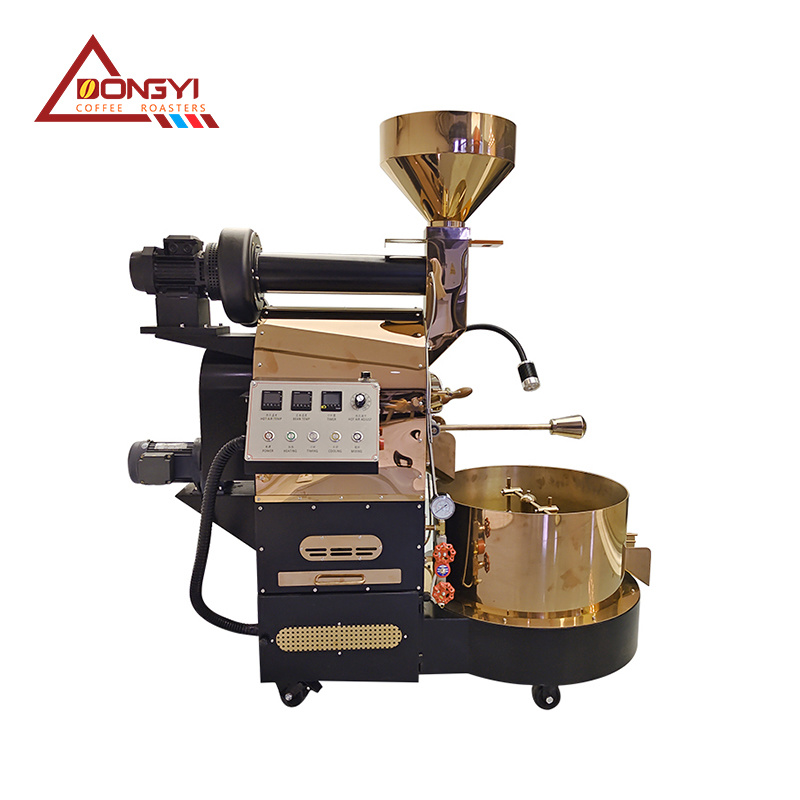
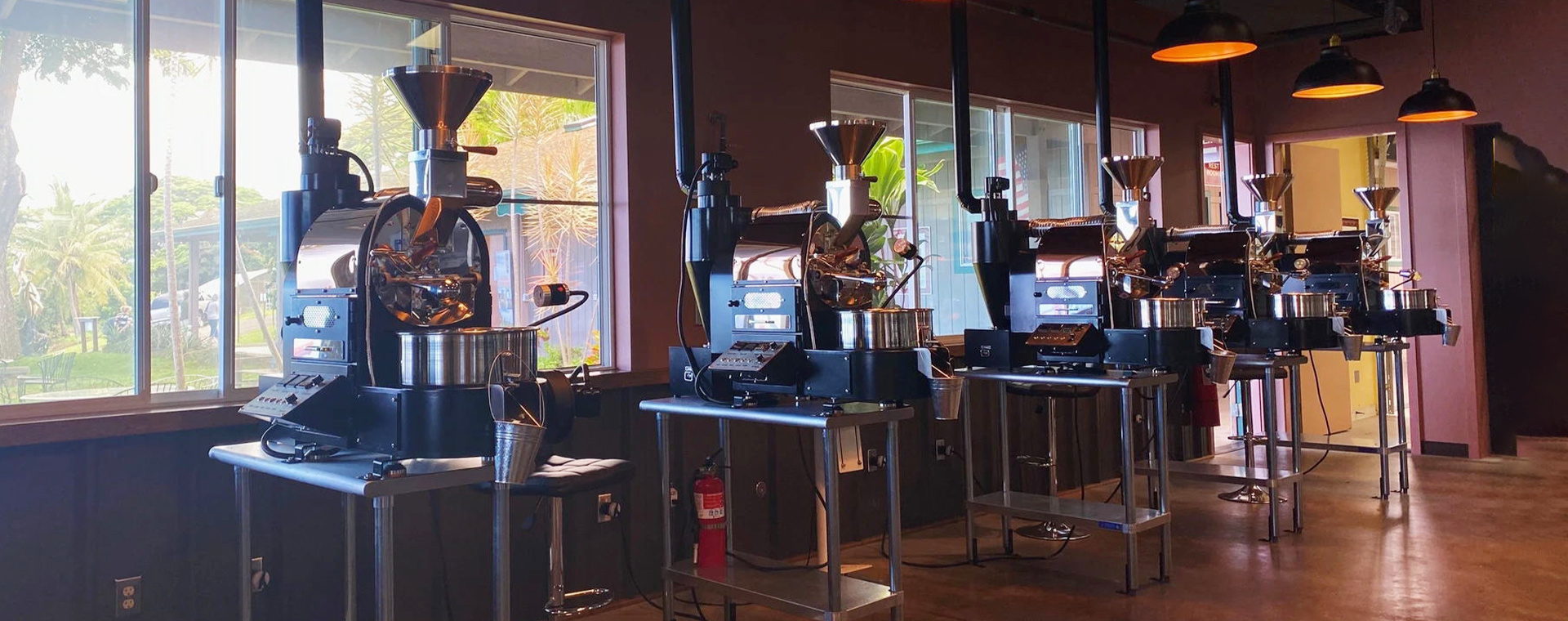
Classical coffee roasters take pride in their craft and often use traditional methods to achieve the desired flavor profiles. The roasters focus on small-batch roasting, allowing for greater control over the roasting process. This results in a coffee that is not only delicious but also tells a story of its origin. Each **roaster's technique** can significantly impact the final cup, making their role vital in the coffee supply chain.
5. Pairing Coffee with Local Delicacies
Coffee is often best enjoyed with food, and various cultures have established traditional pairings that enhance the coffee-drinking experience. In Italy, for example, a rich espresso pairs beautifully with a sweet pastry, while in Spain, coffee is often enjoyed with churros. Exploring these pairings can deepen our appreciation for both coffee and the local cuisine.
6. Sustainability and Ethical Sourcing in Coffee Production
As coffee lovers become more conscious of their choices, the importance of **sustainability and ethical sourcing** grows. Many classical coffee roasters are committed to sourcing beans from farms that prioritize fair trade practices and sustainable farming methods. This not only ensures better quality beans but also aids in supporting the communities that grow them.
7. Choosing the Right Coffee Beans for Your Roaster
Selecting the right coffee beans can make all the difference in your brewing experience. When choosing beans for a classical coffee roaster, consider factors such as **origin, roast level, and flavor notes**. Experimenting with different beans will allow you to find the perfect match for your taste preferences.
8. Frequently Asked Questions About Coffee Cultures
8.1 What is the significance of coffee in different cultures?
Coffee serves as a social connector in many cultures, representing hospitality, tradition, and a shared experience.
8.2 How does coffee roasting impact flavor?
The roasting process develops the coffee's flavor, acidity, and body, bringing out unique characteristics based on the bean's origin.
8.3 What are some traditional coffee brewing methods worldwide?
Methods include espresso in Italy, the coffee ceremony in Ethiopia, pour-over in Japan, and cezve brewing in Turkey.
8.4 Why is sustainability important in coffee production?
Sustainable practices promote environmental health and support the livelihoods of coffee farmers, ensuring quality and ethical sourcing.
8.5 How can I learn more about coffee cultures around the world?
Exploring local cafés, attending coffee festivals, and reading books about coffee history can deepen your understanding of global coffee cultures.
9. Conclusion: Celebrating the Global Love for Coffee
Coffee transcends geographical boundaries, bringing with it a rich tapestry of cultures and traditions. As we explore the diverse ways in which coffee is enjoyed around the world, we gain a deeper appreciation for not just the beverage itself but for the communities and histories that shape our coffee experiences. Whether you are savoring a shot of espresso in Italy or enjoying a traditional coffee ceremony in Ethiopia, each cup tells a story, connecting us all through the love of this beloved drink. Embrace the journey of coffee exploration, and let the world of flavors enrich your understanding of this cherished beverage.
Recommended

Phone/WhatsApp:
Email:
About Us
We are a real coffee roasting machine manufacturer, providing OEM and ODM services, we have established a series of brands with our own characteristics.
HUATAO GROUP
Leave Message
Expand your business with a trusted partner
SAF Coolest v1.3.1.2 设置面板 GDNSD-ZRUA-MDADE-ZZE
违禁词: 第一,最,一流,领先,独一无二,王者,龙头,领导者,极致,
无数据提示
Sorry, the current column is being updated, so stay tuned!