




China BlGGEST coffee roaster manufacter factory, l year exported up 2000sets to 35 world countries.
Why a Gas Coffee Roaster Should Be Your Next Kitchen Investment
Time:
16 Oct,2024
Why a Gas Coffee Roaster Should Be Your Next Kitchen Investment
Table of Contents
1. Introduction to Coffee Roasting
2. What is a Gas Coffee Roaster?
3. Benefits of Using a Gas Coffee Roaster
3.1 Superior Flavor Profiles
3.2 Energy Efficiency: Saving on Bills
3.3 Consistency in Roasting
3.4 Versatile Roasting Options
4. Gas vs. Electric Coffee Roasters: A Comparative Analysis
5. Factors to Consider When Buying a Gas Coffee Roaster
5.1 Size and Capacity
5.2 Durability and Build Quality
5.3 Price Range and Budget
6. How to Maintain Your Gas Coffee Roaster
7. Tips for Perfect Coffee Roasting at Home
8. Frequently Asked Questions (FAQs)
9. Conclusion
1. Introduction to Coffee Roasting
The art of coffee roasting is a practice that has captivated enthusiasts for centuries. As coffee lovers, we understand that the freshness and flavor of our coffee depend significantly on how it is roasted. A gas coffee roaster provides a unique opportunity to control the roasting process meticulously, allowing us to unlock the full potential of coffee beans.
2. What is a Gas Coffee Roaster?
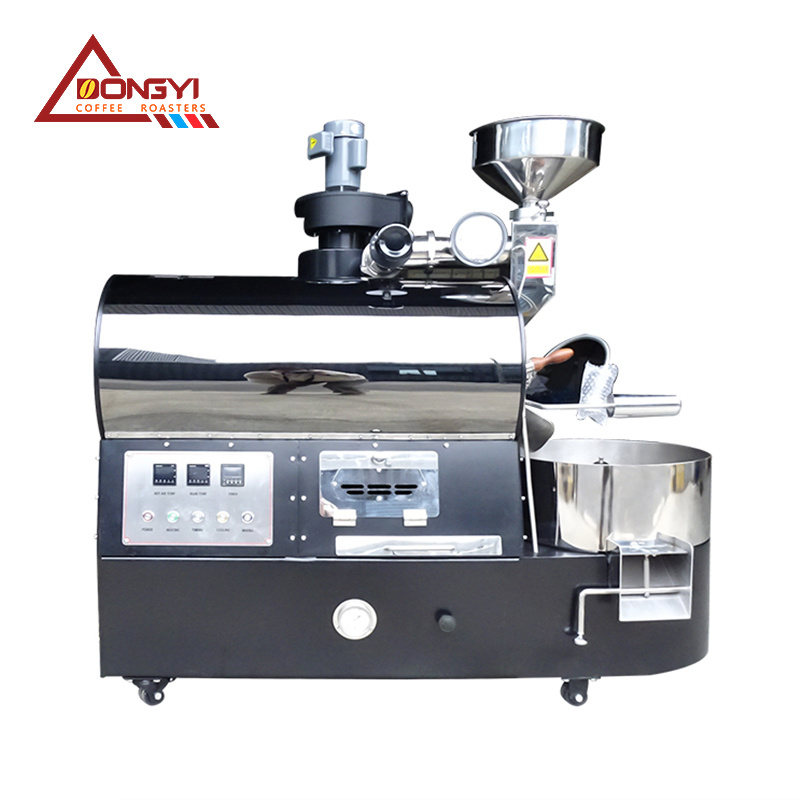
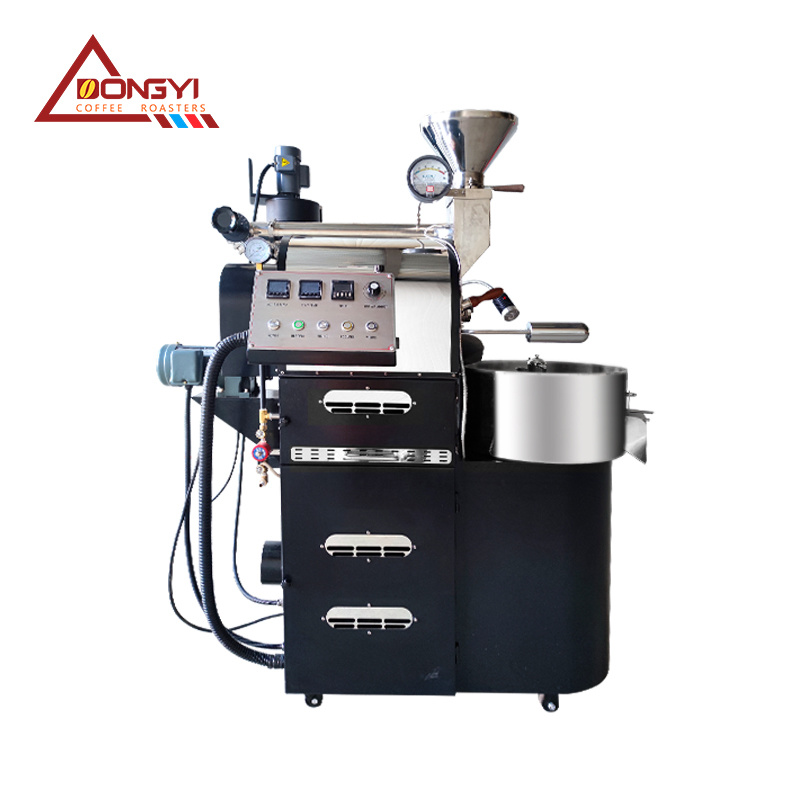
A gas coffee roaster is an appliance that uses gas as its primary energy source for roasting coffee beans. Unlike electric roasters, gas roasters offer a more instantaneous heat response, allowing for greater control over temperature and roasting time. This precision is crucial for producing high-quality roasted coffee that highlights the intricate flavor notes of the beans.
3. Benefits of Using a Gas Coffee Roaster
Investing in a gas coffee roaster comes with an array of benefits that can enhance both the coffee roasting experience and the final product.
3.1 Superior Flavor Profiles
One of the most significant advantages of using a gas coffee roaster is the enhancement of flavor profiles. Gas roasting allows for a more even heat distribution, resulting in a uniform roast. This consistent roasting creates a balanced flavor, ensuring that the natural oils and sugars in the beans caramelize perfectly. The result is a cup of coffee that bursts with rich, nuanced flavors.
3.2 Energy Efficiency: Saving on Bills
Gas coffee roasters are generally more energy-efficient than their electric counterparts. They provide instant heat and can maintain higher temperatures for longer periods without consuming excessive energy. This efficiency not only reduces your carbon footprint but also results in lower utility bills, making it a wise investment for environmentally conscious coffee lovers.
3.3 Consistency in Roasting
Consistency is key when it comes to coffee roasting. Gas coffee roasters allow users to maintain precise temperature control throughout the roasting process. This ability to replicate settings ensures that every batch of coffee is roasted to perfection, providing a reliable taste that you can depend on.
3.4 Versatile Roasting Options
A gas coffee roaster offers versatility in roasting styles. Whether you prefer light, medium, or dark roasts, gas roasting accommodates various techniques and preferences. Additionally, gas roasters often come equipped with multiple burners, allowing for creative roasting methods that can produce unique flavor profiles.
4. Gas vs. Electric Coffee Roasters: A Comparative Analysis
When considering a coffee roaster, choosing between gas and electric options can be challenging. Here’s a comparative analysis to help you make an informed decision.
- **Heating Speed**: Gas roasters heat up faster than electric ones, meaning you can start roasting with minimal downtime.
- **Control**: Gas roasters provide more precise heat control, essential for achieving desired roasting levels.
- **Cost**: While gas roasters may have a higher upfront cost, their long-term energy efficiency can offer savings over time.
Overall, while both options have their merits, gas coffee roasters stand out for their superior control and flavor enhancement.
5. Factors to Consider When Buying a Gas Coffee Roaster
Investing in a gas coffee roaster requires careful consideration of various factors to ensure you choose the best model for your needs.
5.1 Size and Capacity
Consider how much coffee you intend to roast at once. If you’re a casual drinker, a smaller model may suffice. However, if you’re planning to roast for a larger group or for commercial purposes, opt for a larger capacity roaster.
5.2 Durability and Build Quality
Look for gas roasters made from high-quality materials that can withstand high temperatures and frequent use. Stainless steel models are often the best choice for durability and easy cleaning.
5.3 Price Range and Budget
Gas coffee roasters come in various price ranges. Set a budget that aligns with your requirements without compromising on essential features. Remember that investing in a quality roaster can lead to better results and satisfaction in the long run.
6. How to Maintain Your Gas Coffee Roaster
Proper maintenance of your gas coffee roaster is vital for optimal performance. Here are some tips:
- **Regular Cleaning**: Clean the roaster after each use to prevent build-up of coffee oils and residue.
- **Check for Gas Leaks**: Regularly inspect gas connections for leaks, ensuring safety and efficiency.
- **Calibration**: Periodically calibrate your roaster to maintain accurate temperature settings.
7. Tips for Perfect Coffee Roasting at Home
Achieving the perfect roast requires practice and patience. Here are some tips to help you succeed:
- **Start with Quality Beans**: Use fresh, high-quality green coffee beans for the best flavor.
- **Experiment with Roasting Times**: Keep a journal of your roasting times and results to identify your preferred flavor profiles.
- **Monitor the Environment**: Ambient temperature and humidity can affect roasting, so be mindful of these factors.
8. Frequently Asked Questions (FAQs)
What is the ideal temperature for roasting coffee beans in a gas roaster?
The ideal roasting temperature can vary but generally falls between 370°F and 540°F, depending on the desired roast level.
How long does it take to roast coffee beans using a gas roaster?
Roasting times can range from 10 to 20 minutes, depending on the desired roast and the specific roaster being used.
Can I roast different types of beans at the same time?
It’s best to roast similar types of beans together to ensure even roasting, as different beans may have varying moisture content and roasting requirements.
Is it safe to use a gas coffee roaster indoors?
Using a gas roaster indoors can be safe with proper ventilation; however, it’s crucial to follow the manufacturer's guidelines and local regulations regarding gas appliances.
How often should I clean my gas coffee roaster?
Regular cleaning after each use is recommended to maintain the roaster’s performance and longevity.
9. Conclusion
Investing in a gas coffee roaster promises to elevate your coffee brewing experience significantly. With its ability to enhance flavor profiles, energy efficiency, and consistency, a gas roaster stands out as a valuable addition to any kitchen. By understanding its benefits, comparing it with electric options, and considering essential factors before purchasing, you can make an informed decision that will transform your coffee rituals. Whether you are an enthusiast or a casual drinker, a gas coffee roaster can help you unlock the full potential of your coffee beans, rewarding you with delicious cups of coffee for years to come.
Recommended

Phone/WhatsApp:
Email:
About Us
We are a real coffee roasting machine manufacturer, providing OEM and ODM services, we have established a series of brands with our own characteristics.
HUATAO GROUP
Leave Message
Expand your business with a trusted partner
SAF Coolest v1.3.1.2 设置面板 GDNSD-ZRUA-MDADE-ZZE
违禁词: 第一,最,一流,领先,独一无二,王者,龙头,领导者,极致,
无数据提示
Sorry, the current column is being updated, so stay tuned!