




China BlGGEST coffee roaster manufacter factory, l year exported up 2000sets to 35 world countries.
The Art of Roasting: Master PLC Gas Coffee Roaster Techniques Revealed
Time:
18 Oct,2024
The Art of Roasting: Master PLC Gas Coffee Roaster Techniques Revealed
Coffee roasting is not just a process; it’s an art form that combines science, technique, and passion. With the growing popularity of coffee culture, many enthusiasts are turning to professional-grade equipment, like the PLC gas coffee roaster, to craft their perfect brew. In this comprehensive guide, we will explore everything from the fundamentals of roasting to advanced techniques that will help you master the art of coffee roasting.
Table of Contents
- Understanding Coffee Roasting
- What is a PLC Gas Coffee Roaster?
- Key Components of a PLC Gas Coffee Roaster
- The Coffee Roasting Process Explained
- Mastering Temperature Control
- Achieving Consistent Roasting Results
- Troubleshooting Common Roasting Issues
- Advanced Roasting Techniques
- Conclusion
Understanding Coffee Roasting
At its core, coffee roasting is the process of transforming green coffee beans into the aromatic, richly flavored beans we are accustomed to. This transformation occurs through various chemical reactions that take place as the beans are exposed to heat. Understanding the basics of coffee roasting is essential for anyone looking to brew the perfect cup.
The Role of Heat in Coffee Roasting
Heat is the driving force in coffee roasting. It initiates the Maillard reaction, which is responsible for the browning of the beans and the development of flavor compounds. The roasting process can be broken down into several stages, each contributing to the final taste profile.
Stages of Coffee Roasting
- Drying Stage: Begins with the introduction of heat, causing moisture to evaporate.
- Maillard Reaction: Sugars and amino acids react, leading to the first signs of browning.
- First Crack: A significant audible crack indicating that the beans have expanded and are close to light roast.
- Development Phase: Continuation of roasting after the first crack, where flavors are developed further.
- Second Crack: A more subtle crack indicating a medium to dark roast level, leading to oil extraction on the surface.
What is a PLC Gas Coffee Roaster?
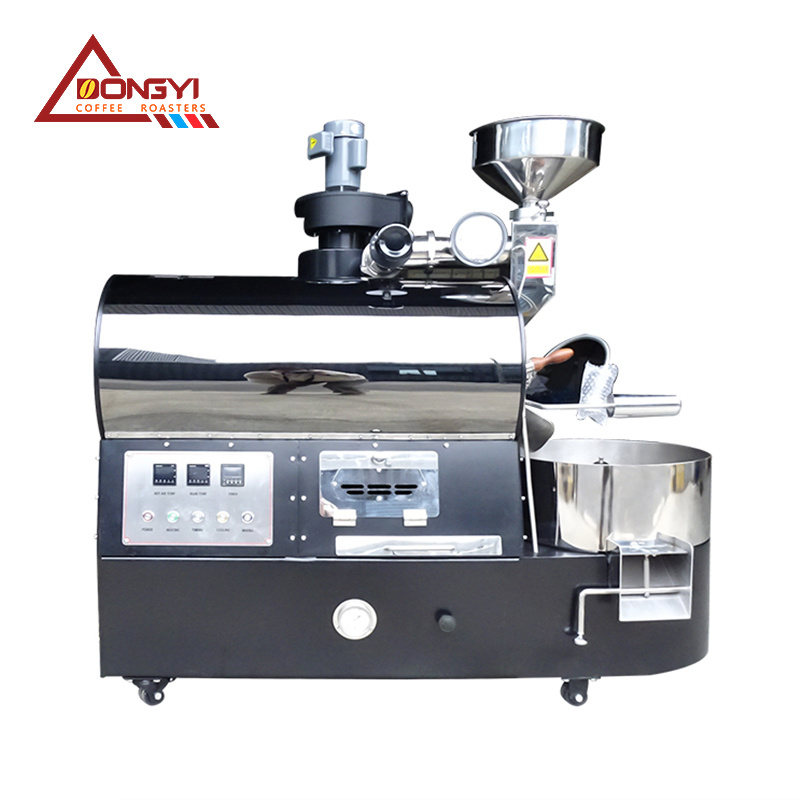
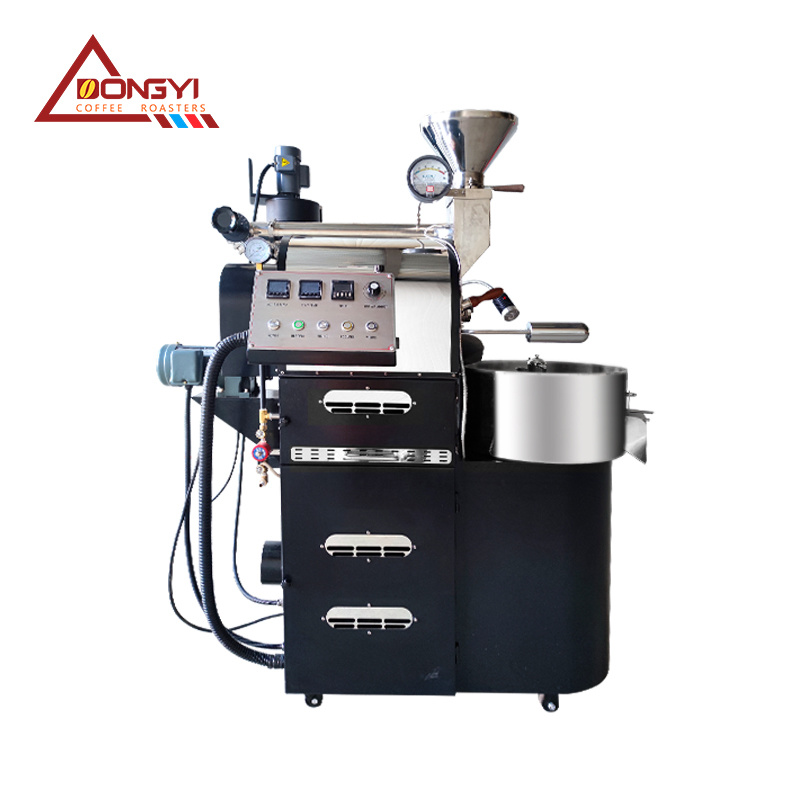
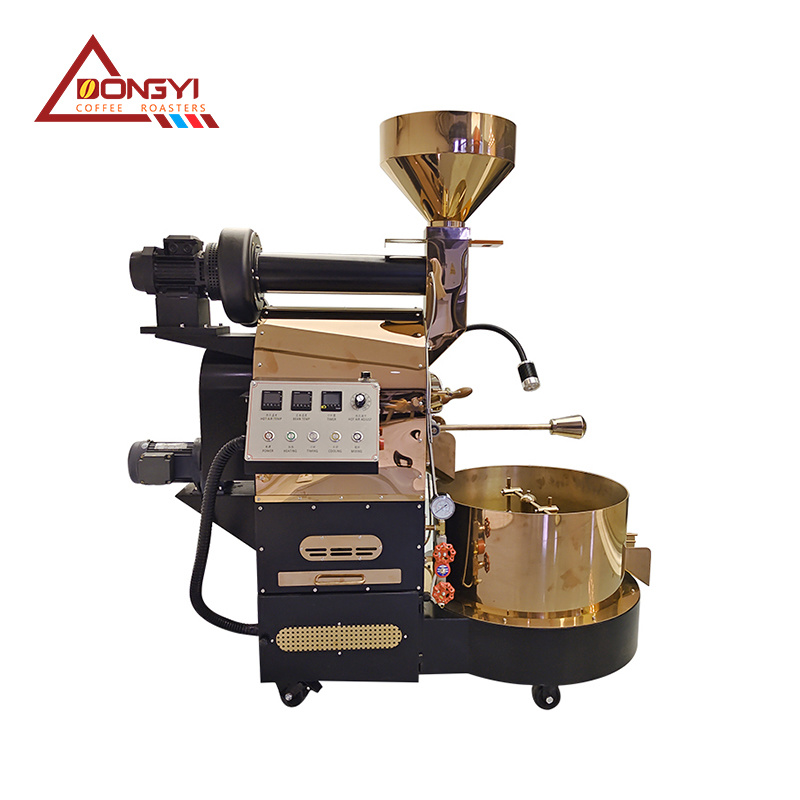
A PLC (Programmable Logic Controller) gas coffee roaster is a sophisticated machine that uses gas as its primary heat source. This type of roaster allows for precise control over the roasting process, making it ideal for both commercial and home roasting setups.
Advantages of Using a PLC Gas Coffee Roaster
- Precision: PLC systems enable accurate temperature regulation, ensuring uniform roasting results.
- Consistency: Programmable settings allow for repeatable results, essential for quality control.
- Flavor Development: Enhanced control over the roasting profile leads to better flavor extraction.
Key Components of a PLC Gas Coffee Roaster
To fully understand how to master roasting with a PLC gas coffee roaster, one must familiarize themselves with its key components:
Drum
The drum is where the beans are roasted. It rotates to ensure even heat distribution and prevent burning.
Burner
The gas burner provides the necessary heat. The intensity of the flame can be adjusted for different roasting profiles.
Control Panel
This is the heart of the PLC system, allowing users to set temperature, timing, and other parameters for roasting.
Chaff Collector
As beans roast, they shed chaff. The collector captures this debris to keep the roasting area clean.
The Coffee Roasting Process Explained
Roasting coffee is both an art and a science. Here’s a step-by-step guide to the process when using a PLC gas coffee roaster:
Preparation of Green Beans
Select high-quality green coffee beans, and ensure they are free from defects. Weigh the beans for your desired batch size.
Setting Up the Roaster
Preheat your PLC gas coffee roaster to the desired temperature. Most roasting begins at around 350°F (175°C).
Roasting
Introduce the green beans into the drum and start the roasting process. Monitor the temperature closely and adjust the burner as needed.
Cooling
Once the desired roast level is achieved, quickly remove the beans and cool them down to halt the roasting process. This can be done using a cooling tray or an air-cooling system.
Mastering Temperature Control
Temperature control is crucial in coffee roasting, and using a PLC gas coffee roaster allows for precise adjustments. Here are some tips for mastering temperature control:
Understanding Temperature Profiles
Different beans react differently to heat. It’s essential to create a temperature profile that complements the specific characteristics of the beans being roasted.
Adjusting Gas Flow
Alter the gas flow to control the burner flame strength. Increasing the gas flow raises the temperature quickly, while decreasing it allows for a gradual roast.
Monitoring Roasting Progress
Utilize the control panel to track the internal temperature of the beans. This ensures that you can make timely adjustments to achieve the desired roast level.
Achieving Consistent Roasting Results
Consistency is vital for producing high-quality coffee. Here’s how to achieve reliable roasting results:
Recording Roasting Profiles
Keep detailed notes of each roasting session, including temperature settings, batch sizes, and roast times. This data will help you replicate successful results.
Regular Maintenance of Equipment
Ensure your PLC gas coffee roaster is well-maintained. Regular cleaning and servicing will prevent inconsistencies caused by equipment malfunction.
Experiment and Adapt
Don’t be afraid to experiment with different beans and roasting profiles. Adapt your techniques based on feedback and taste tests to refine your process.
Troubleshooting Common Roasting Issues
Even the most experienced roasters encounter issues. Here are some common problems and their solutions:
Uneven Roasting
If you notice uneven roasting, check the drum for blockages or ensure that the beans are not overcrowded.
Burnt Flavor
A burnt taste may indicate too high a temperature or too long a roasting duration. Adjust the settings accordingly for future batches.
Underdeveloped Flavor
If the coffee lacks depth, it may need more time in the roaster. Experiment with extending the development phase of your roast.
Advanced Roasting Techniques
Once you’ve mastered the basics, you can explore advanced roasting techniques to take your skills to the next level:
Profile Roasting
This technique involves crafting specific temperature profiles tailored to the unique characteristics of different beans. Profile roasting can enhance flavor complexity and aroma.
Blending Roasts
Consider roasting different beans and blending them post-roast to create a signature mix that highlights the best attributes of each varietal.
Experimenting with Post-Roast Processing
Explore different methods of post-roast processing, such as resting the beans or even experimenting with flavor infusions.
Conclusion
Mastering the art of roasting with a PLC gas coffee roaster is a rewarding journey that combines science, skill, and creativity. By understanding the intricacies of the roasting process, honing your temperature control, and learning from each session, you can create coffee that delights the palate and satisfies the soul. Whether you are roasting for personal enjoyment or aiming to launch a coffee brand, the techniques outlined in this guide will equip you with the knowledge needed to excel in the craft of coffee roasting.
FAQs
1. What is the ideal roast time for coffee beans?
The ideal roast time varies depending on the bean type and desired roast level, typically ranging from 8 to 15 minutes.
2. How can I tell if my coffee is over-roasted?
Over-roasted coffee often has a burnt, bitter flavor and may appear excessively dark and oily.
3. Can I use a PLC gas coffee roaster for home roasting?
Yes, PLC gas coffee roasters can be suitable for home roasting, though they tend to be more common in commercial settings due to their size and cost.
4. What type of beans should I start with for roasting?
Begin with high-quality Arabica beans, as they tend to have a more complex flavor profile than Robusta beans.
5. How do I store roasted coffee beans properly?
Store roasted coffee beans in an airtight container, in a cool, dark place to maintain freshness and flavor.
Recommended

Phone/WhatsApp:
Email:
About Us
We are a real coffee roasting machine manufacturer, providing OEM and ODM services, we have established a series of brands with our own characteristics.
HUATAO GROUP
Leave Message
Expand your business with a trusted partner
SAF Coolest v1.3.1.2 设置面板 GDNSD-ZRUA-MDADE-ZZE
无数据提示
Sorry, the current column is being updated, so stay tuned!