



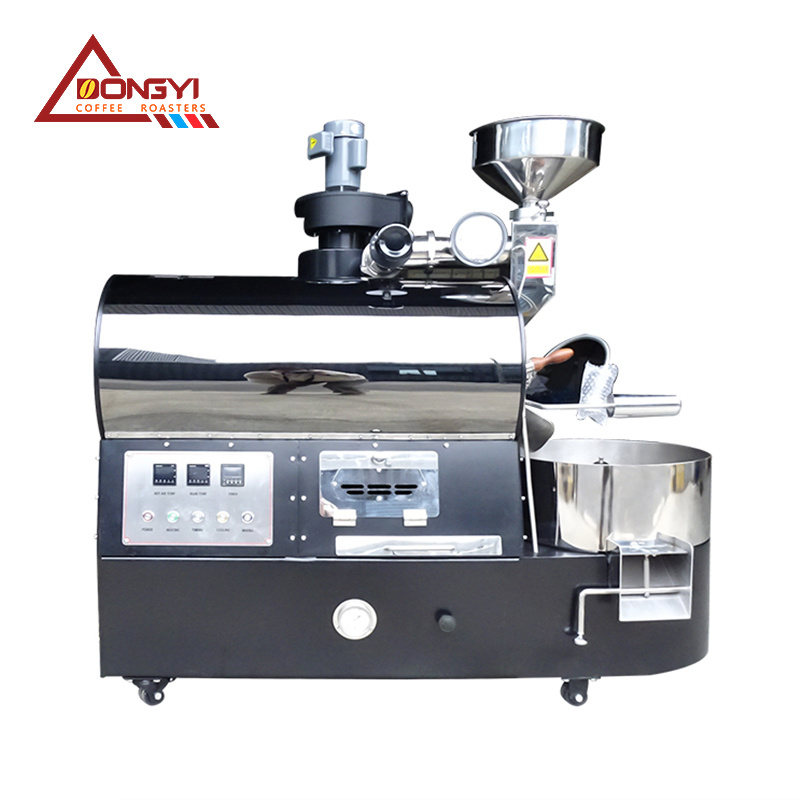
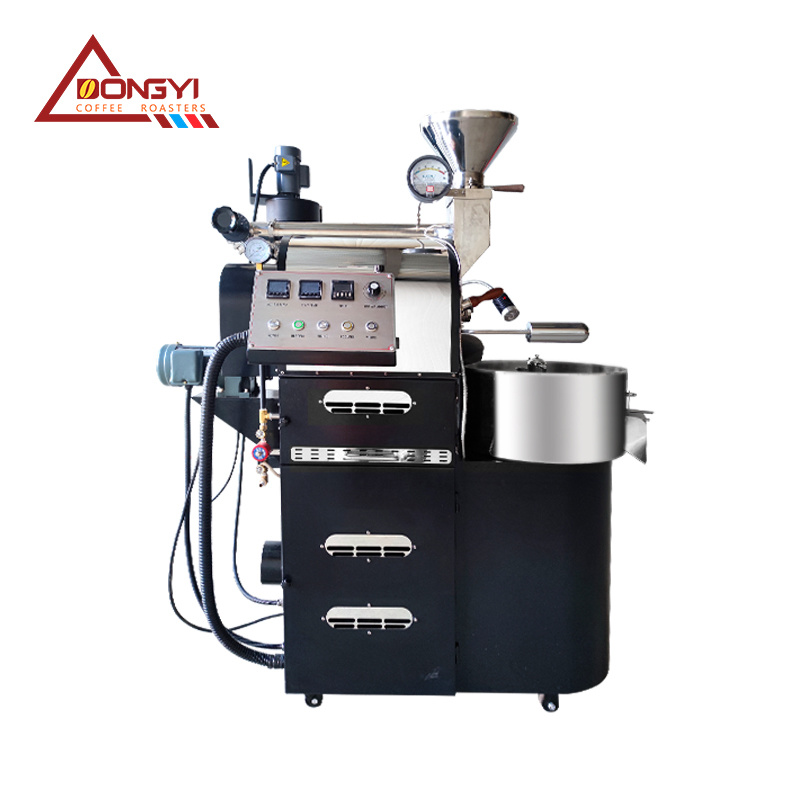
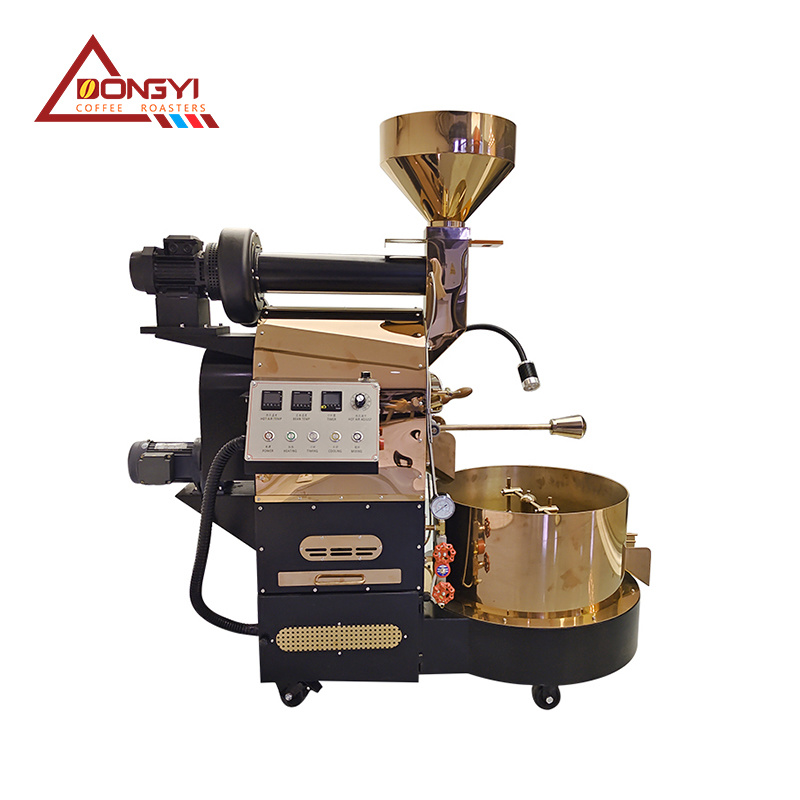

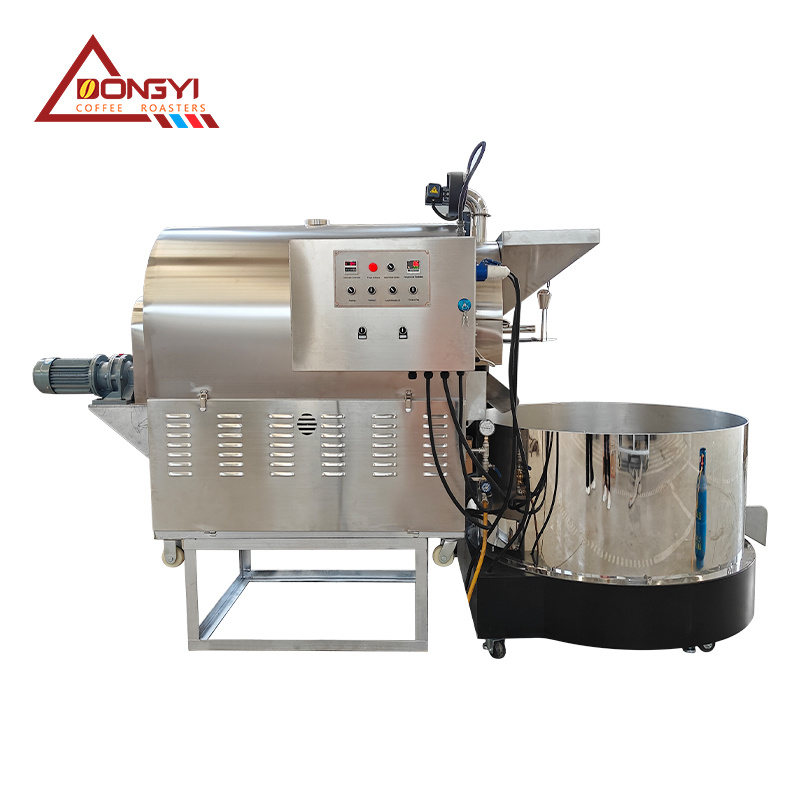
China BlGGEST coffee roaster manufacter factory, l year exported up 2000sets to 35 world countries.
From Green Beans to Gourmet: The Journey of Coffee with Electric Roasting Machines
Time:
05 Nov,2024
From Green Beans to Gourmet: The Journey of Coffee with Electric Roasting Machines
Table of Contents
- Introduction: Unveiling the Coffee Journey
- The Coffee Bean Origin: Understanding Green Beans
- The Science of Roasting Coffee: Transforming Flavor Profiles
- Why Choose Electric Roasting Machines for Home Brewing?
- Benefits of Electric Coffee Roasters: Efficiency and Consistency
- How to Roast Coffee with Electric Machines: Step-by-Step Guide
- Selecting the Right Electric Roaster: Key Features to Consider
- Common Mistakes in Coffee Roasting: Tips for Perfection
- Conclusion: Embracing the Coffee Craft
- FAQs
Introduction: Unveiling the Coffee Journey
The journey of coffee is as rich and aromatic as the beverage itself. From the moment coffee beans are harvested to the time they are brewed into a steaming cup, each step plays a crucial role in defining the taste and quality of the final product. Electric roasting machines have revolutionized how we approach this process at home, allowing coffee enthusiasts to create their own unique flavors and blends. In this article, we delve into the fascinating world of coffee roasting, specifically focusing on how electric machines transform green beans into gourmet coffee.
The Coffee Bean Origin: Understanding Green Beans
Coffee beans are actually the seeds of the coffee cherry, a small fruit that grows on coffee trees. Green coffee beans are simply unroasted seeds, packed with potential flavor. Understanding the origin of these beans is essential for appreciating the nuances of coffee roasting. Different varieties, such as Arabica and Robusta, offer distinct flavor profiles that can dramatically change the final brew.
The Significance of Bean Quality
Choosing high-quality green beans is paramount; only the best will yield exceptional results. Factors such as the region of cultivation, altitude, and processing methods influence the quality and flavor of the beans. Specialty coffee from regions with optimal growing conditions often features complex flavors that can be highlighted through roasting.
The Science of Roasting Coffee: Transforming Flavor Profiles
Roasting coffee beans is a delicate art that involves a chemical transformation called the Maillard reaction. This process occurs when heat is applied, causing the sugars and amino acids in the beans to react and develop complex flavors. The roasting process also eliminates moisture, which leads to changes in aroma and texture.
Stages of Coffee Roasting
There are several stages of coffee roasting, each affecting the final taste:
- **Light Roast**: Retains most of the bean's original flavor, often fruity or floral.
- **Medium Roast**: Balances acidity and body, producing a more rounded flavor profile.
- **Dark Roast**: Highlights a bold, smoky flavor, often with a bitter finish.
Understanding these stages helps roasters select their desired outcome.
Why Choose Electric Roasting Machines for Home Brewing?
Electric roasting machines offer several advantages for home enthusiasts. They simplify the roasting process, enabling even beginners to produce consistently great coffee. The ease of use, coupled with built-in features such as temperature control and timing, ensures you can achieve the perfect roast every time.
Precision and Control
Electric roasters provide precise temperature control, allowing users to experiment with different roasting profiles. This level of control is particularly beneficial for achieving specific flavor notes, ensuring each batch meets your taste preferences.
Benefits of Electric Coffee Roasters: Efficiency and Consistency
Investing in an electric coffee roaster comes with numerous benefits:
- **Time-Saving**: Unlike traditional methods, electric roasters can roast beans in under 20 minutes.
- **Consistency**: Automated machines reduce the risk of human error, resulting in uniform roasts.
- **Versatility**: Many models allow for different roasting styles, catering to a wide range of preferences.
Affordability and Accessibility
As technology advances, electric roasting machines have become more affordable, making them accessible to a broader audience. Whether you're a casual drinker or a coffee connoisseur, there’s an electric roaster that fits your budget and needs.
How to Roast Coffee with Electric Machines: Step-by-Step Guide
Roasting coffee at home with an electric machine is straightforward. Follow these steps for a successful roast:
Step 1: Gather Your Materials
You will need high-quality green coffee beans, your electric roasting machine, a cooling tray, and a storage container.
Step 2: Measure the Coffee Beans
Decide how many beans you want to roast. A typical batch size varies from 100 to 500 grams, depending on the machine's capacity.
Step 3: Set Your Machine
Set the desired temperature and time on the electric roaster. Most machines come with presets, but you can adjust these based on your taste preferences.
Step 4: Start Roasting
Add the beans to the roasting chamber and start the machine. Keep an eye on the color and smell as the beans roast, noting when they reach your preferred level.
Step 5: Cool the Beans
Once the roast is complete, quickly transfer the beans to a cooling tray. This step is crucial to stop the roasting process and lock in flavor.
Step 6: Store Your Coffee
Once cooled, store your roasted beans in an airtight container to preserve their freshness.
Selecting the Right Electric Roaster: Key Features to Consider
Choosing the right electric coffee roaster is critical for achieving your desired results. Here are key features to look for:
Capacity
Consider how much coffee you typically consume. If you have a large household, a model with a larger capacity will save you time.
Temperature Control
Look for machines with adjustable temperature settings, enabling you to experiment with various roasting profiles.
Ease of Use and Cleaning
User-friendly designs with easy-to-clean components can enhance your roasting experience.
Additional Features
Some machines offer additional features like smoke suppression and built-in timers, which can further simplify the roasting process.
Common Mistakes in Coffee Roasting: Tips for Perfection
Even seasoned roasters can make mistakes. Here are some common pitfalls and how to avoid them:
Over-Roasting
It’s easy to let the beans roast for too long. Regularly check the color and aroma to prevent burning.
Not Allowing Beans to Rest
Freshly roasted beans require a resting period to develop their full flavor. Avoid brewing them immediately after roasting.
Ignoring Roasting Profiles
Experiment with different roasting profiles to discover what you like best. Don’t hesitate to adjust your approach based on your taste preferences.
Conclusion: Embracing the Coffee Craft
The journey from green beans to gourmet coffee is an exciting process that allows you to explore the depths of flavor and aroma. Electric roasting machines bring precision, efficiency, and creativity to your coffee-making experience. By understanding the nuances of coffee roasting and selecting the right equipment, you can elevate your morning brew to new heights. Embrace the craft of coffee roasting, and enjoy the satisfaction of creating your perfect cup.
FAQs
1. How long does it take to roast coffee beans with an electric roaster?
Typically, it takes about 10 to 20 minutes, depending on the desired roast level and the machine used.
2. Can I roast different types of beans in the same batch?
While it's technically possible, different beans may require different roasting times. It's best to roast similar varieties together for consistent results.
3. How should I store roasted coffee beans?
Store roasted beans in an airtight container in a cool, dark place. Avoid exposing them to light, heat, and moisture to preserve freshness.
4. What is the ideal roast for espresso?
Espresso is typically best with a medium to dark roast, as these levels enhance the bold flavors essential for a rich shot.
5. How can I experiment with different flavors in my coffee roast?
Experiment with roasting times, temperatures, and bean origins to discover unique flavor profiles. Keep notes on each batch for future reference.
Previous:
Previous:
Recommended

Phone/WhatsApp:
Email:
About Us
We are a real coffee roasting machine manufacturer, providing OEM and ODM services, we have established a series of brands with our own characteristics.
HUATAO GROUP
Leave Message
Expand your business with a trusted partner
SAF Coolest v1.3.1.2 设置面板 GDNSD-ZRUA-MDADE-ZZE
违禁词: 第一,最,一流,领先,独一无二,王者,龙头,领导者,极致,
无数据提示
Sorry, the current column is being updated, so stay tuned!