



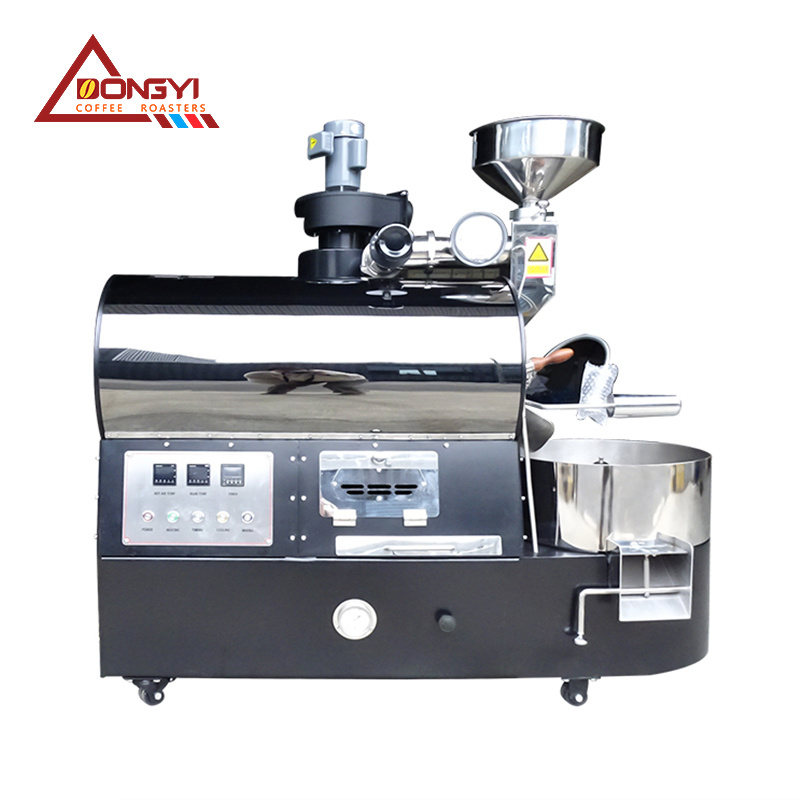
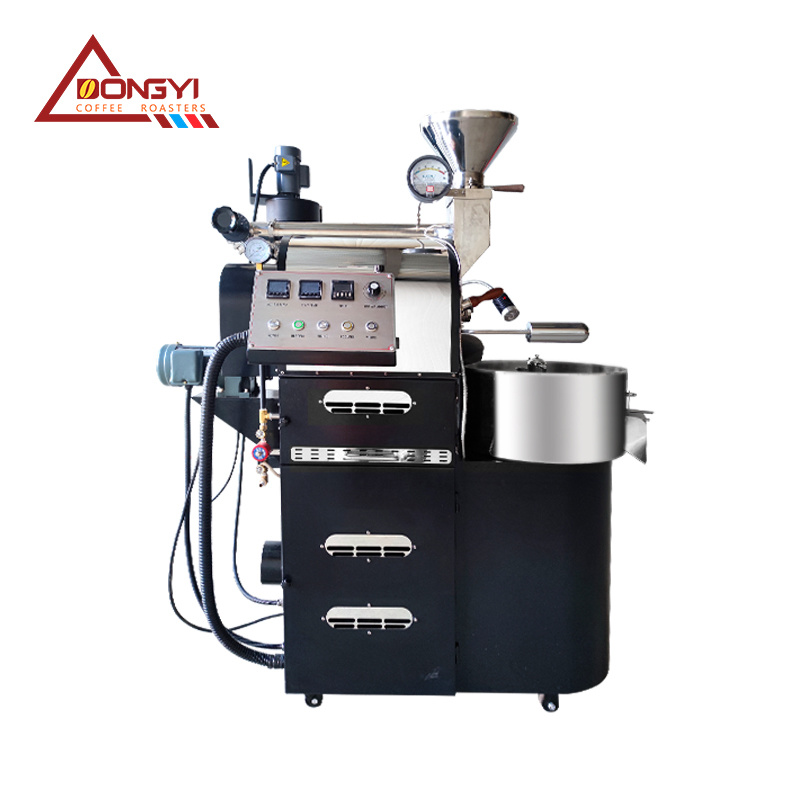
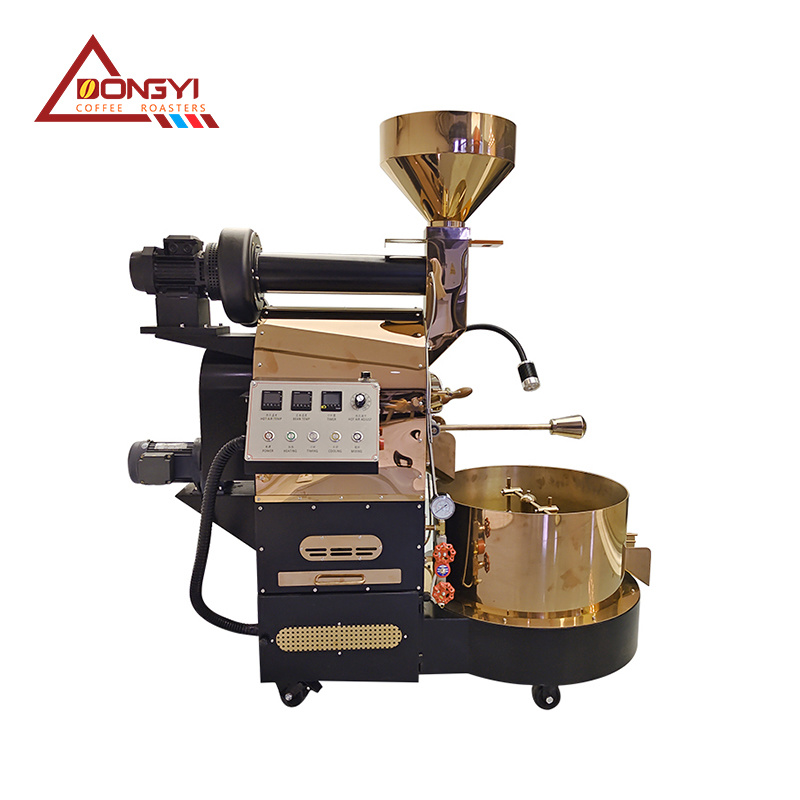

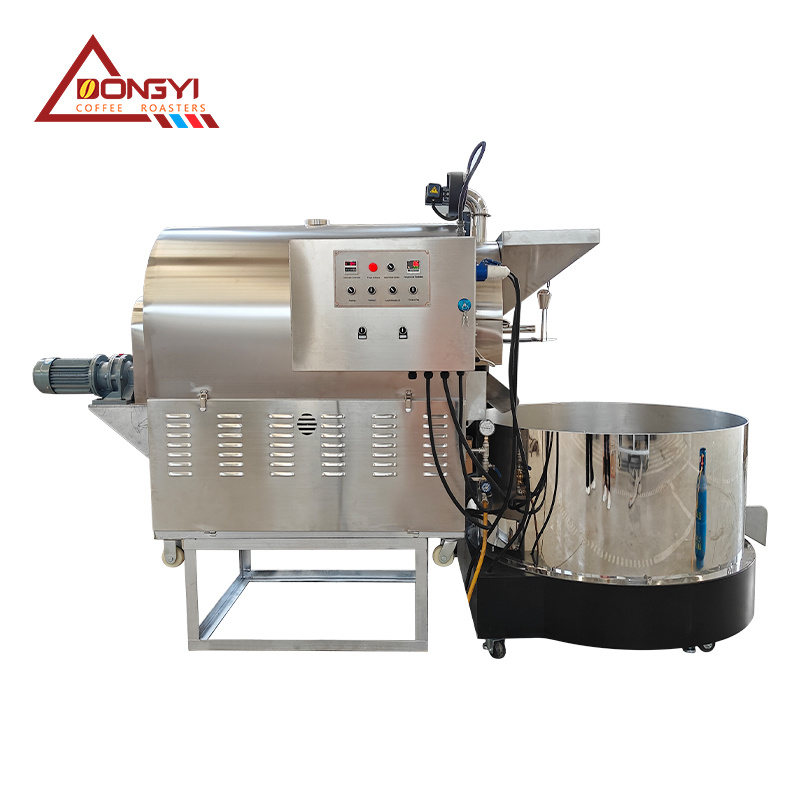
China BlGGEST coffee roaster manufacter factory, l year exported up 2000sets to 35 world countries.
Revolutionizing Coffee Experience: The Rise of Smart Home Coffee Roasters
Time:
10 Nov,2024
In recent years, the intersection of technology and coffee has given rise to smart home coffee roasters, revolutionizing how enthusiasts and casual drinkers alike experience their daily brews. These devices not only facilitate the roasting process but also enhance it through automation, connectivity, and customization. For professionals in the consumer electronics and kitchen appliance industry, understanding the intricate details of smart home coffee roasters can provide valuable insights for product development and market positioning.
Smart home coffee roasters are designed to streamline the roasting process. Traditional methods often require precise timing and manual monitoring, which can be daunting for novices. In contrast, smart roasters integrate advanced sensors and software that monitor temperature, humidity, and roast time, ensuring optimal roasting conditions. This automation allows users to achieve consistent results, eliminating the guesswork often associated with home roasting.
Connectivity is another key feature of smart home coffee roasters. Many models come equipped with Wi-Fi or Bluetooth capabilities, enabling users to control the roasting process remotely via smartphone apps. This level of control not only enhances user convenience but also allows coffee aficionados to experiment with various roast profiles and share their recipes with a community of like-minded enthusiasts. The ability to receive real-time updates and notifications about the roasting process significantly elevates the user experience, making it more interactive and engaging.
Customization options are abundant in smart home coffee roasters. Users can often input their preferences for roast levels, bean types, and even specific flavor notes. This level of personalization appeals to both casual drinkers seeking unique flavors and serious coffee connoisseurs eager to explore the nuances of each roast. As consumer interest in specialty coffee continues to rise, offering customizable smart home coffee roasters can position brands favorably in a competitive market.
Furthermore, the growth of smart home coffee roasters aligns with broader industry trends toward sustainability and health consciousness. Many consumers are increasingly interested in sourcing high-quality, ethically produced beans. Smart home roasters can facilitate this trend by allowing users to experiment with single-origin coffees, fostering a deeper appreciation for the craft of coffee roasting while simultaneously promoting sustainability.
In conclusion, the emergence of smart home coffee roasters marks a significant advancement in the consumer electronics and kitchen appliance sectors. By offering automation, connectivity, and customization, these devices cater to the evolving preferences of today’s coffee lovers. Professionals in the industry should consider these trends and features when developing products to ensure they meet the demands of a tech-savvy and quality-driven consumer base.
Smart home coffee roasters are designed to streamline the roasting process. Traditional methods often require precise timing and manual monitoring, which can be daunting for novices. In contrast, smart roasters integrate advanced sensors and software that monitor temperature, humidity, and roast time, ensuring optimal roasting conditions. This automation allows users to achieve consistent results, eliminating the guesswork often associated with home roasting.
Connectivity is another key feature of smart home coffee roasters. Many models come equipped with Wi-Fi or Bluetooth capabilities, enabling users to control the roasting process remotely via smartphone apps. This level of control not only enhances user convenience but also allows coffee aficionados to experiment with various roast profiles and share their recipes with a community of like-minded enthusiasts. The ability to receive real-time updates and notifications about the roasting process significantly elevates the user experience, making it more interactive and engaging.
Customization options are abundant in smart home coffee roasters. Users can often input their preferences for roast levels, bean types, and even specific flavor notes. This level of personalization appeals to both casual drinkers seeking unique flavors and serious coffee connoisseurs eager to explore the nuances of each roast. As consumer interest in specialty coffee continues to rise, offering customizable smart home coffee roasters can position brands favorably in a competitive market.
Furthermore, the growth of smart home coffee roasters aligns with broader industry trends toward sustainability and health consciousness. Many consumers are increasingly interested in sourcing high-quality, ethically produced beans. Smart home roasters can facilitate this trend by allowing users to experiment with single-origin coffees, fostering a deeper appreciation for the craft of coffee roasting while simultaneously promoting sustainability.
In conclusion, the emergence of smart home coffee roasters marks a significant advancement in the consumer electronics and kitchen appliance sectors. By offering automation, connectivity, and customization, these devices cater to the evolving preferences of today’s coffee lovers. Professionals in the industry should consider these trends and features when developing products to ensure they meet the demands of a tech-savvy and quality-driven consumer base.
Recommended

Phone/WhatsApp:
Email:
About Us
We are a real coffee roasting machine manufacturer, providing OEM and ODM services, we have established a series of brands with our own characteristics.
HUATAO GROUP
Leave Message
Expand your business with a trusted partner
SAF Coolest v1.3.1.2 设置面板 GDNSD-ZRUA-MDADE-ZZE
违禁词: 第一,最,一流,领先,独一无二,王者,龙头,领导者,极致,
无数据提示
Sorry, the current column is being updated, so stay tuned!