




China BlGGEST coffee roaster manufacter factory, l year exported up 2000sets to 35 world countries.
Elevate Your Brewing Game: Exploring Gas Coffee Roasting Techniques
Time:
13 Nov,2024
Elevate Your Brewing Game: Exploring Gas Coffee Roasting Techniques
Table of Contents
- 1. Introduction to Gas Coffee Roasting
- 2. Understanding Gas Coffee Roasting
- 3. Advantages of Gas Coffee Roasting
- 4. Equipment Needed for Gas Coffee Roasting
- 5. Gas Coffee Roasting Process
- 6. Tuning Your Roast to Perfection
- 7. Common Mistakes in Gas Coffee Roasting
- 8. Frequently Asked Questions
- 9. Conclusion
1. Introduction to Gas Coffee Roasting
Gas coffee roasting is an essential technique that has gained popularity among coffee aficionados and professional roasters alike. This method allows for precise control over the roasting process, resulting in a superior flavor profile that is hard to replicate with other roasting methods. By harnessing the power of gas, roasters can achieve consistent temperatures and enhance the overall quality of the brew. In this article, we will explore gas coffee roasting techniques in detail, including the essential equipment, the roasting process, and tips for perfecting your technique.
2. Understanding Gas Coffee Roasting
Gas coffee roasting involves using gas-powered roasters to heat green coffee beans, transforming them into aromatic roasted coffee. Unlike electric roasting, which relies on resistance heating, gas roasting provides faster heat transfer and allows for greater control over temperature adjustments. This method not only enhances flavor development but also reduces the likelihood of charring or uneven roasting.
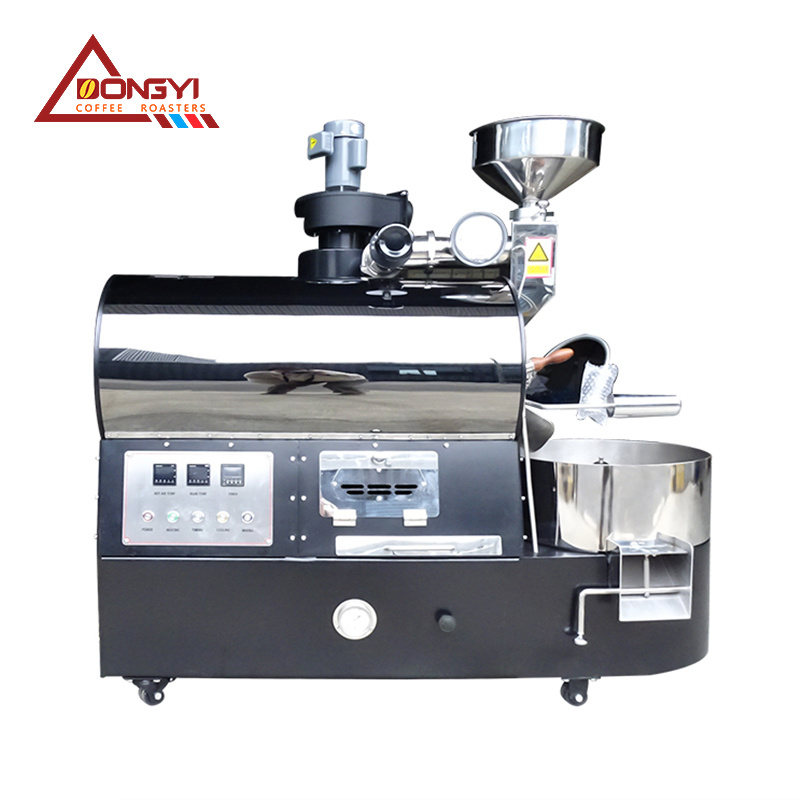
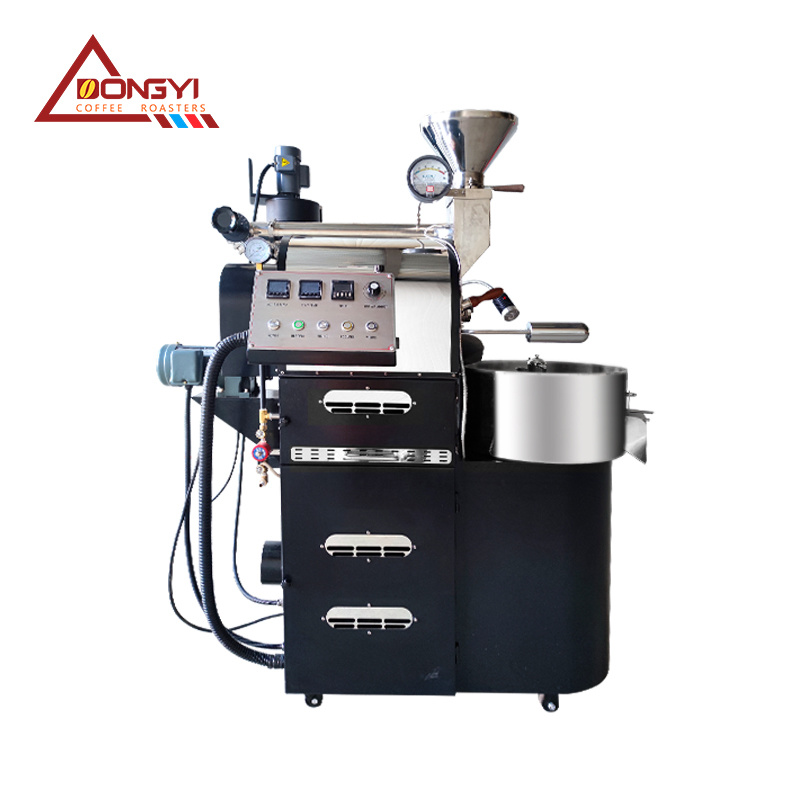
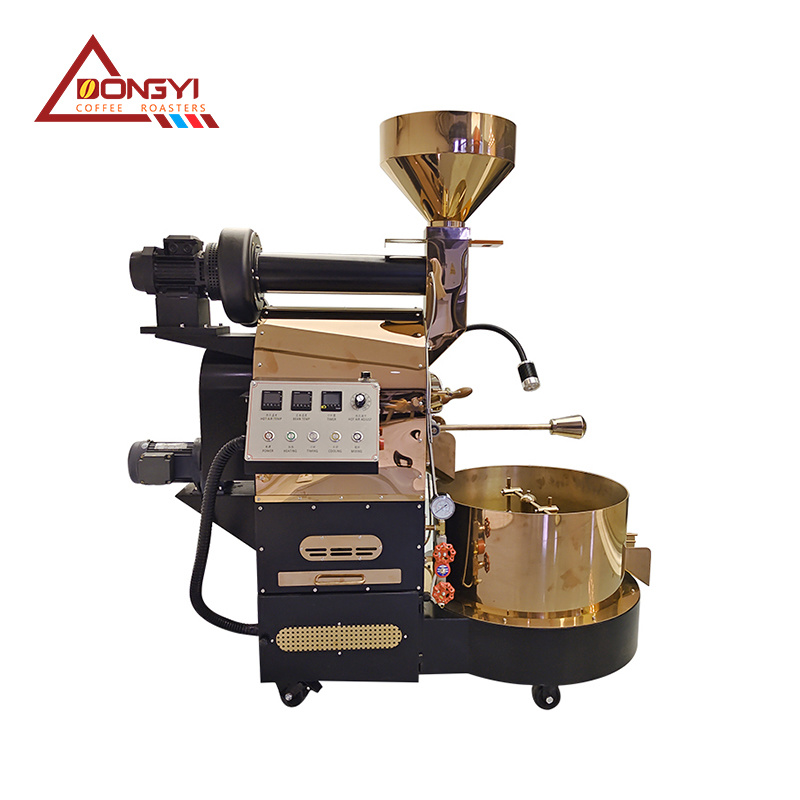
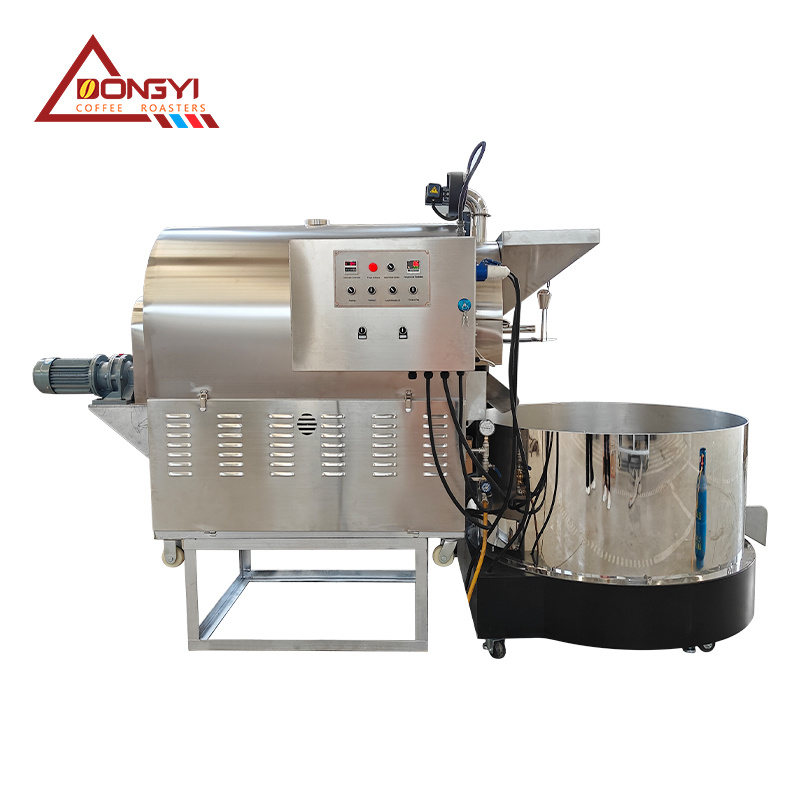
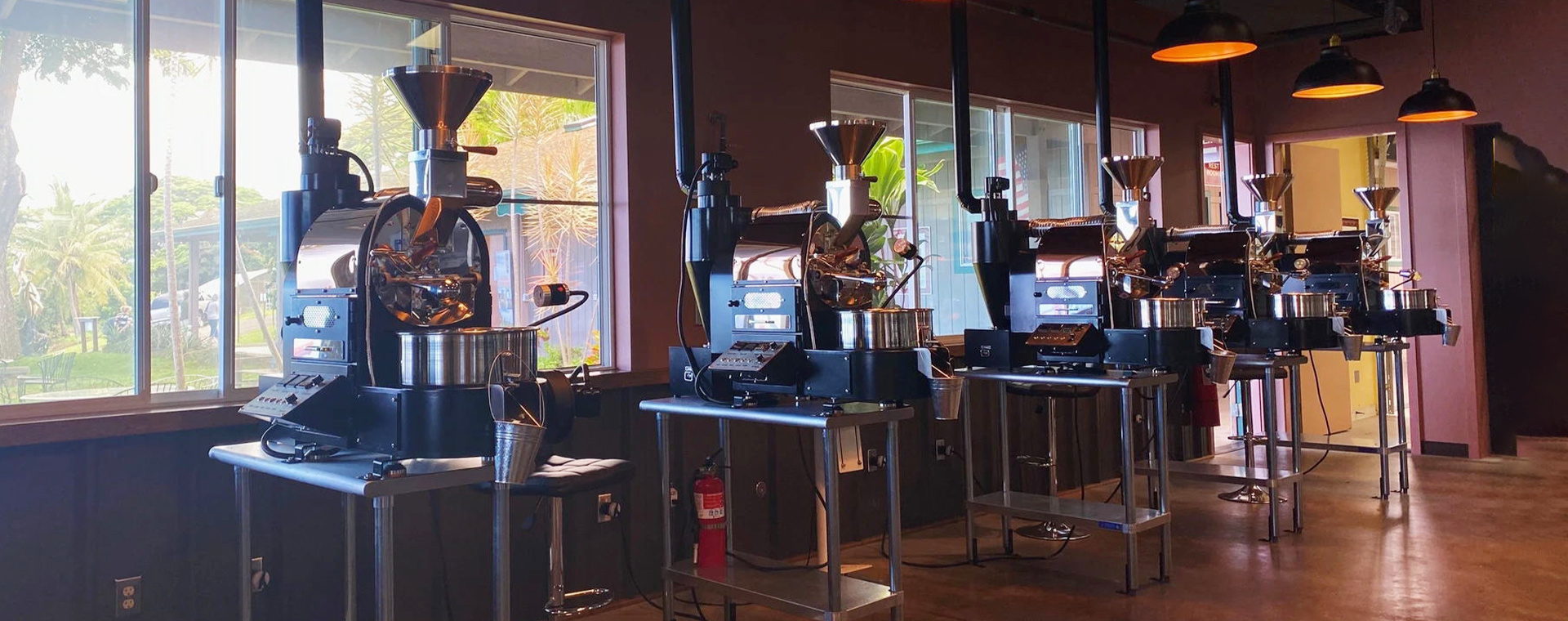
Gas coffee roasters come in various sizes and designs, catering to both home enthusiasts and commercial applications. The key components of a gas roaster include the burner, drum, and exhaust system. Understanding how each component works together is crucial for achieving the best roast.
3. Advantages of Gas Coffee Roasting
Gas coffee roasting comes with several advantages that set it apart from other methods:
3.1 Enhanced Flavor Profiles
Gas roasting allows for precise temperature control, enabling the roaster to develop complex flavors in the beans. This method can highlight various tasting notes, from fruity to nutty, depending on the origin of the coffee.
3.2 Consistency
With gas roasting, achieving a consistent roast is much easier. The ability to make real-time adjustments ensures that each batch maintains the same quality, making it ideal for both casual brewers and commercial operations.
3.3 Efficiency
Gas roasters heat up quickly and can roast larger batches compared to electric counterparts. This efficiency is particularly beneficial for coffee shops and roasteries that need to maximize productivity without compromising quality.
3.4 Environmental Considerations
Many modern gas roasters are designed with energy efficiency in mind, utilizing less gas and producing fewer emissions than older models. This makes gas roasting a more environmentally friendly option.
4. Equipment Needed for Gas Coffee Roasting
To begin your journey into gas coffee roasting, you'll need specific equipment that caters to your roasting needs:
4.1 Gas Coffee Roaster
Choosing the right gas coffee roaster is critical. Look for models with adjustable burners, a reliable drum, and proper ventilation to ensure safety and efficiency.
4.2 Green Coffee Beans
Select high-quality green coffee beans that align with your preferred flavor profiles. Experimenting with different origins can lead to exciting discoveries in taste.
4.3 Roasting Accessories
Essential accessories include a coffee scale, thermocouples for temperature monitoring, and a cooling tray. Each tool plays a vital role in the roasting process, helping you achieve the desired results.
4.4 Safety Equipment
Safety should always be a priority. Ensure you have proper ventilation to avoid smoke buildup, and consider using protective gear like gloves and goggles during the roasting process.
5. Gas Coffee Roasting Process
Understanding the roasting process is crucial for mastering gas coffee roasting. Below is a step-by-step breakdown:
5.1 Pre-Roast Setup
Before starting, prepare your roasting area by ensuring proper ventilation and having all equipment within reach. Measure out your green coffee beans based on your desired batch size.
5.2 Heating the Roaster
Ignite your gas roaster and allow it to preheat to your desired temperature. Most roasters work best between 400°F to 500°F, depending on the roast level you aim to achieve.
5.3 Adding Green Beans
Once the roaster reaches the desired temperature, add the green beans. Monitor the initial temperature drop and adjust the burner as needed.
5.4 Monitoring the Roast
As the beans roast, keep a close eye on temperature changes. Use a thermocouple to track real-time temperatures, and note any visual changes in the beans.
5.5 Listening for First Crack
The first crack is a significant milestone in the roasting process, indicating that the beans are entering a new phase. Listen for a popping sound, which typically occurs around 385°F to 400°F.
5.6 Cooling the Beans
Once the desired roast level is achieved, quickly cool the beans using a cooling tray or air blast. This step halts the roasting process and preserves the flavors developed during roasting.
6. Tuning Your Roast to Perfection
Perfecting your roast requires practice and careful tuning. Here are some tips to enhance your gas coffee roasting skills:
6.1 Experiment with Time and Temperature
Adjusting the roasting time and temperature can dramatically influence the flavor. Shorter roasting times at higher temperatures can produce brighter flavors, while longer roasting times at lower temperatures can create deeper, more complex profiles.
6.2 Keep a Roast Log
Maintaining a detailed roast log helps identify what works and what doesn’t. Record variables like time, temperature, and the visual changes of the beans throughout the process.
6.3 Taste Your Roasts
Regularly cupping your roasts allows you to understand the flavor profiles better. Pay attention to the nuances and tweak your technique based on taste testing results.
6.4 Seek Feedback
Engaging with other coffee enthusiasts or professionals can provide valuable insights. Share your experiences and learn from others who have honed their gas roasting techniques.
7. Common Mistakes in Gas Coffee Roasting
Avoiding common mistakes can save you time and ensure a better roasting outcome:
7.1 Inconsistent Temperatures
Failing to maintain consistent temperatures during roasting can lead to uneven results. Always monitor and adjust the burner as necessary to keep temperatures stable.
7.2 Ignoring the Cracks
Neglecting to listen for the first and second cracks can result in under or over-roasting. These audible cues are crucial indicators of the roast progress.
7.3 Rushing the Cooling Process
Cooling the beans too slowly can lead to unwanted development of flavors. Ensure you cool them quickly to lock in the aromas and prevent over-roasting.
7.4 Not Using Fresh Beans
Using stale green beans will negatively affect your roast quality. Always source fresh beans to achieve the best possible flavors in your brews.
8. Frequently Asked Questions
8.1 What is gas coffee roasting?
Gas coffee roasting is a method of roasting coffee beans using gas-powered roasters, allowing for precision and control over the roasting process.
8.2 How do I choose the right gas roaster?
Look for features such as adjustable burners, reliable drum design, and adequate safety measures. Consider your roasting volume and space requirements as well.
8.3 Can I roast coffee beans at home?
Yes, many home roasters successfully use gas roasters to roast coffee beans. Ensure you have the proper equipment and safety measures in place.
8.4 What should I watch for during the roasting process?
Monitor temperature changes, listen for the first and second cracks, and visually assess the color and texture of the beans throughout the roast.
8.5 How do I store roasted coffee beans?
Store roasted coffee beans in an airtight container away from light, heat, and moisture to preserve their freshness and flavor.
9. Conclusion
Gas coffee roasting is a remarkable technique that can elevate your brewing game significantly. By understanding the process, investing in the right equipment, and honing your skills, you can create exceptional coffee that showcases unique flavors and aromas. Whether you are roasting at home or in a commercial setting, the principles of gas roasting remain the same. Embrace the art of roasting, experiment with different beans and techniques, and enjoy the rewarding experience of crafting the perfect cup of coffee.
Recommended

Phone/WhatsApp:
Email:
About Us
We are a real coffee roasting machine manufacturer, providing OEM and ODM services, we have established a series of brands with our own characteristics.
HUATAO GROUP
Leave Message
Expand your business with a trusted partner
SAF Coolest v1.3.1.2 设置面板 GDNSD-ZRUA-MDADE-ZZE
违禁词: 第一,最,一流,领先,独一无二,王者,龙头,领导者,极致,
无数据提示
Sorry, the current column is being updated, so stay tuned!