




China BlGGEST coffee roaster manufacter factory, l year exported up 2000sets to 35 world countries.
Mastering Your Brew: Expert Tips for Using the Master PLC Gas Coffee Roaster
Time:
15 Nov,2024
Mastering Your Brew: Expert Tips for Using the Master PLC Gas Coffee Roaster
In the world of coffee roasting, achieving the perfect brew is an art form that combines science, technique, and passion. The Master PLC Gas Coffee Roaster stands as a premier choice for both professional roasters and coffee aficionados. In this guide, we will delve into the various aspects of using this remarkable machine, sharing expert tips and insights to help you master your brewing skills.
Table of Contents
- Introduction to Coffee Roasting
- Understanding the Master PLC Gas Coffee Roaster
- Key Features of the Master PLC Gas Coffee Roaster
- Preparation for Roasting
- The Roasting Process Demystified
- Cooling and Storing Your Coffee
- Troubleshooting Common Issues
- Frequently Asked Questions (FAQs)
- Conclusion
Introduction to Coffee Roasting
Coffee roasting is a transformative process that converts green coffee beans into the aromatic and flavorful beans we know and love. Understanding this process is crucial for achieving the desired flavor profiles and aromatic qualities in your coffee. We embark on this journey by exploring the fundamentals of coffee roasting and the role of a high-quality roaster like the Master PLC.
Understanding the Master PLC Gas Coffee Roaster
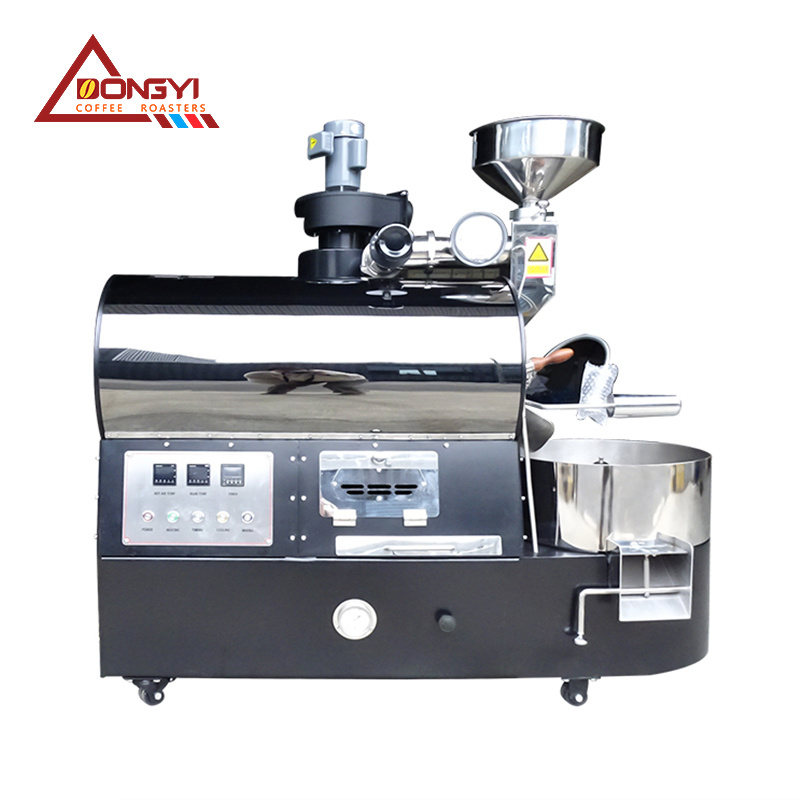
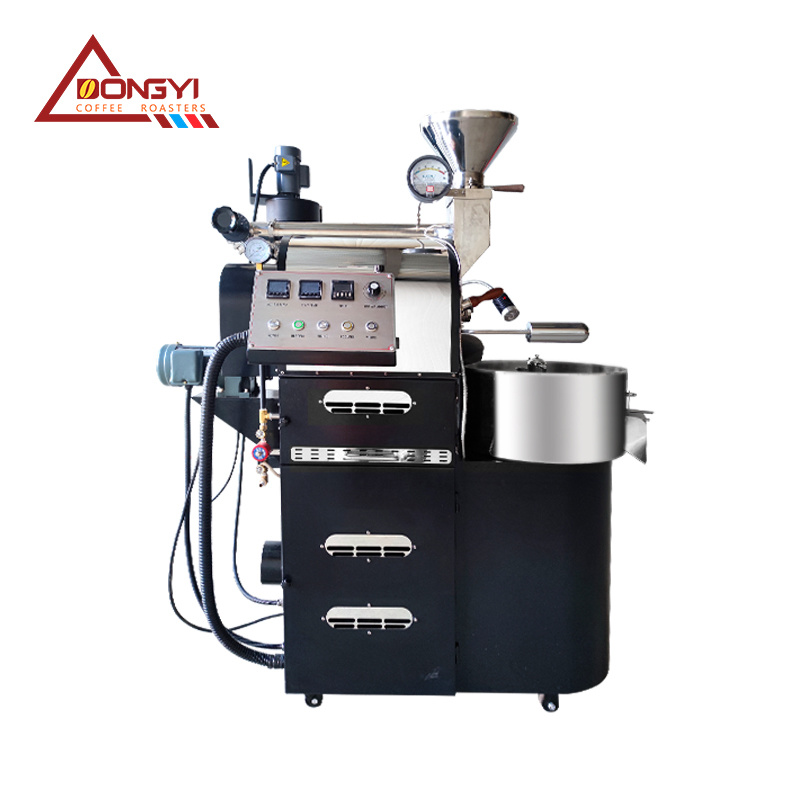
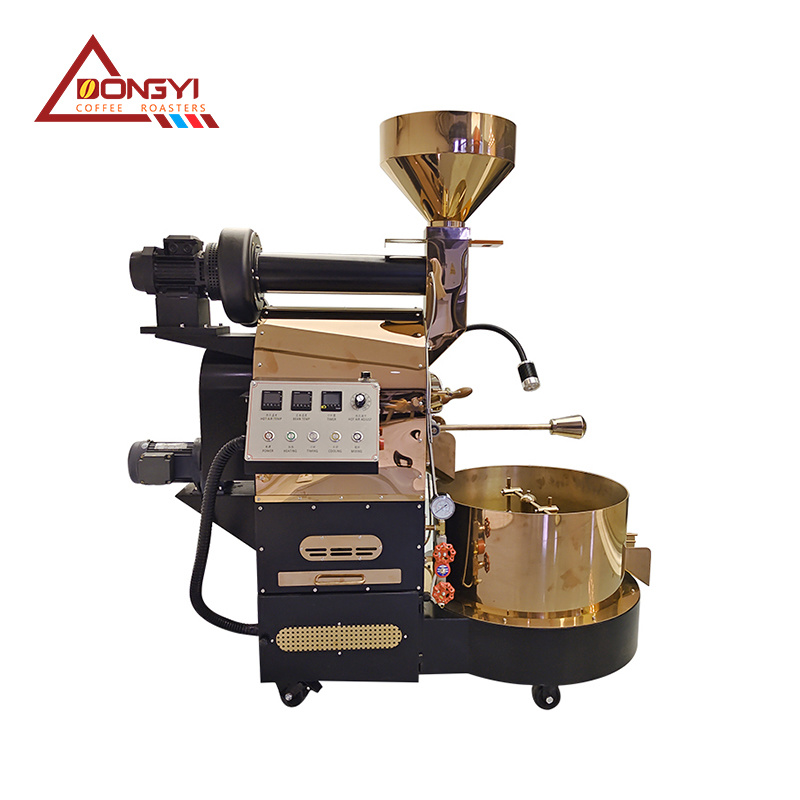
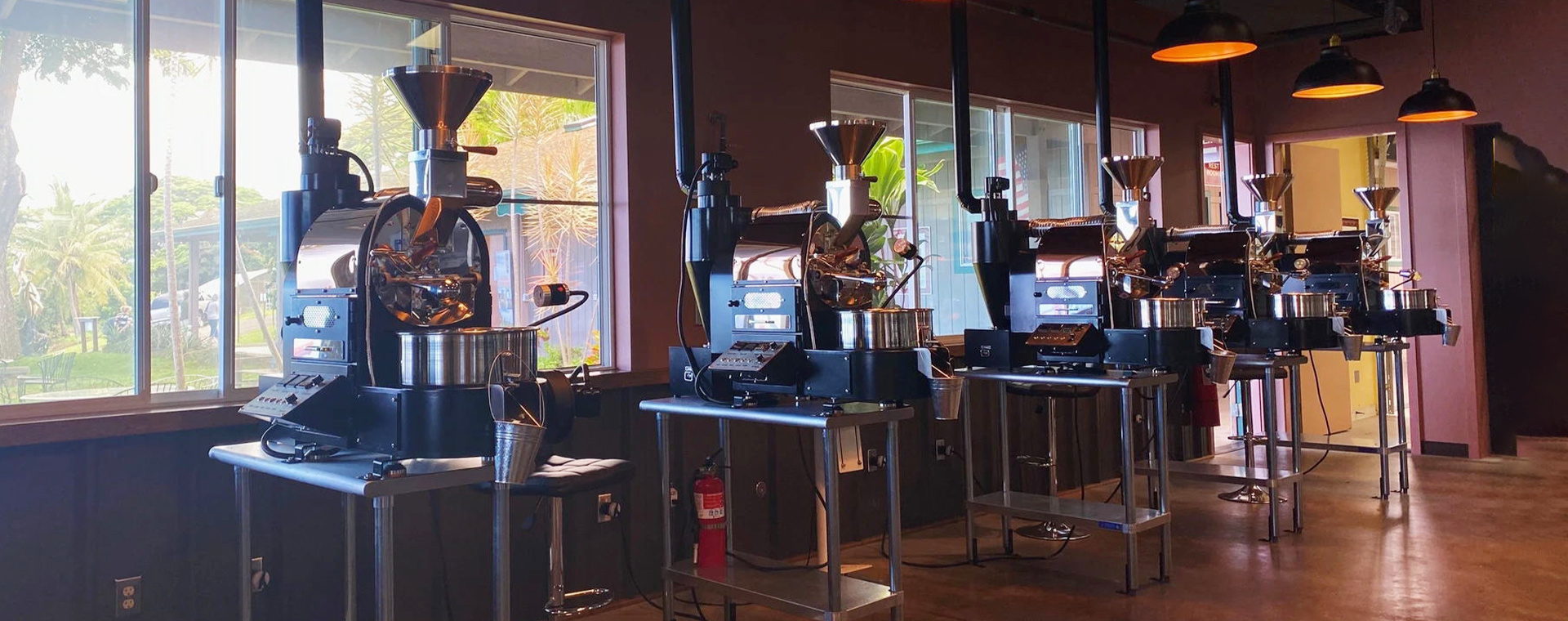
The Master PLC Gas Coffee Roaster is engineered to deliver precision and consistency, making it a favorite among roasters worldwide. Its gas-powered system allows for more control over the roasting temperature and time, resulting in an even roast that highlights the unique characteristics of each coffee bean.
Why Choose Gas Roasting?
Gas roasting provides several advantages over electric roasting. **Gas burners** heat up quickly, allowing for faster adjustments to temperature changes, which is essential for creating distinct flavor profiles. Moreover, gas roasters tend to offer better control over airflow, significantly affecting the roasting process.
The Importance of a PLC System
The **Programmable Logic Controller (PLC)** in the Master PLC Gas Coffee Roaster ensures accurate monitoring and control of the roasting process. It allows roasters to save profiles, adjust parameters, and achieve repeatable results, making it ideal for both novice and experienced roasters.
Key Features of the Master PLC Gas Coffee Roaster
Before diving into the roasting techniques, let’s explore some of the standout features that make the Master PLC Gas Coffee Roaster a reliable choice:
Precision Temperature Control
The temperature control system allows for precise adjustments, ensuring that you can roast at the exact temperature required for your beans, whether it’s a light roast or a dark roast.
Real-Time Monitoring
With real-time monitoring of roasting parameters such as temperature and time, you can make on-the-fly adjustments, ensuring optimal roasting conditions for your coffee beans.
Built-in Safety Features
Safety should always be a priority. The Master PLC Gas Coffee Roaster comes equipped with several safety features, including automatic shut-off systems and alarms for overheating.
Preparation for Roasting
Preparation is key to a successful roast. Here are the steps to ensure you're ready to start roasting:
Selecting Your Green Coffee Beans
The type of beans you choose greatly influences the final flavor of your brew. Consider sourcing high-quality, specialty-grade beans and experimenting with different origins to discover unique flavor profiles.
Setting Up Your Roaster
Before starting, confirm that your Master PLC Gas Coffee Roaster is clean and properly set up. Check for any residue from previous roasts and ensure that all components are functioning correctly.
Calibrating the Roaster
Calibrating the roaster is essential for achieving consistent results. Make sure that the temperature readings are accurate and that the airflow settings are optimized for the beans you are roasting.
The Roasting Process Demystified
The roasting process can be broken down into various stages, each playing a crucial role in developing flavor:
The Drying Stage
During the first phase of roasting, the beans lose moisture and undergo a chemical transformation. This stage typically lasts for about 4-7 minutes, depending on the desired roast level.
Maillard Reaction
Following the drying stage, the Maillard reaction begins, where sugars and amino acids react to create complex flavors and aromas. This is a critical phase for developing rich flavors in your coffee.
First Crack
The first crack indicates that the beans are reaching their light roast stage. You’ll hear a distinct cracking sound as steam escapes from the beans. Pay close attention here, as this is when you can choose to stop for a lighter roast or continue for a darker brew.
Development Time
After the first crack, you can extend the development time to achieve a darker roast. This stage allows flavors to deepen and caramelize, enhancing sweetness and body.
Cooling the Coffee
Once you reach your desired roast level, it's essential to cool the beans rapidly to stop the roasting process. The Master PLC Gas Coffee Roaster often has built-in cooling trays, but you can also use a separate cooling device.
Cooling and Storing Your Coffee
Proper cooling and storage are vital for maintaining the freshness and flavor of roasted coffee. Here’s what to do:
Cooling Techniques
Cool your coffee beans as quickly as possible. Using a cooling tray or a dedicated cooling device helps to preserve the flavors and prevent any further roasting.
Storing Your Roasted Coffee
Store your coffee in an airtight container in a cool, dark place. Avoid exposure to air, moisture, and light to ensure the longevity of your coffee's flavors.
Troubleshooting Common Issues
Even the best roasters can run into issues. Here are some common problems and how to address them:
Uneven Roasting
If you notice uneven roasting, check your airflow settings and ensure that the drum is properly calibrated. Regular maintenance can prevent this issue.
Over-Roasting
Over-roasting often results from poor temperature control. Ensure that your PLC system is functioning correctly, and adjust your settings as needed during the roasting process.
Inconsistent Flavor Profiles
Inconsistencies can arise from variations in bean quality or roasting times. Keep meticulous notes on your roasting profiles for different beans to help achieve repeatable results.
Frequently Asked Questions (FAQs)
What is the ideal roast level for different coffee types?
The ideal roast level varies by coffee type and personal preference. Generally, lighter roasts highlight acidity and floral notes, while darker roasts emphasize body and chocolate flavors.
How long should I let my coffee rest after roasting?
It’s typically recommended to let roasted coffee rest for 24 to 48 hours before brewing. This allows gases to escape and flavors to stabilize.
How do I clean my Master PLC Gas Coffee Roaster?
Regular cleaning involves removing chaff, wiping down surfaces, and ensuring that the heating elements and drum are free from buildup. Follow the manufacturer's guidelines for detailed cleaning procedures.
Can I roast different types of coffee beans together?
It's best to roast beans with similar densities and moisture content together to ensure even roasting. Mixing beans may result in unevenly roasted batches.
How can I experiment with roast profiles?
Start by adjusting time and temperature settings for different batches. Keep detailed notes on each profile to track what works best for specific beans.
Conclusion
Mastering your brew with the Master PLC Gas Coffee Roaster is an enriching experience that allows you to explore the intricate world of coffee flavors. By understanding the roasting process, utilizing the key features of the roaster, and applying expert techniques, you can achieve exceptional results that delight your palate. With practice and experimentation, you will refine your skills and create memorable brews that truly stand out.
Recommended

Phone/WhatsApp:
Email:
About Us
We are a real coffee roasting machine manufacturer, providing OEM and ODM services, we have established a series of brands with our own characteristics.
HUATAO GROUP
Leave Message
Expand your business with a trusted partner
SAF Coolest v1.3.1.2 设置面板 GDNSD-ZRUA-MDADE-ZZE
无数据提示
Sorry, the current column is being updated, so stay tuned!