




China BlGGEST coffee roaster manufacter factory, l year exported up 2000sets to 35 world countries.
Gas Coffee Roasters: The Secret to Perfectly Roasted Beans
Time:
27 Nov,2024
Gas Coffee Roasters: The Secret to Perfectly Roasted Beans
Introduction to Gas Coffee Roasters
In the world of coffee, the roasting process is where the magic truly happens. **Gas coffee roasters** are increasingly becoming the go-to choice for both amateur and professional coffee enthusiasts. Their ability to provide precise heat control and consistent results makes them ideal for achieving the perfect roast. In this article, we explore everything you need to know about gas coffee roasters, from their advantages to detailed roasting techniques that will help you unlock the full potential of your coffee beans.
Understanding Gas Coffee Roasting
What is a Gas Coffee Roaster?
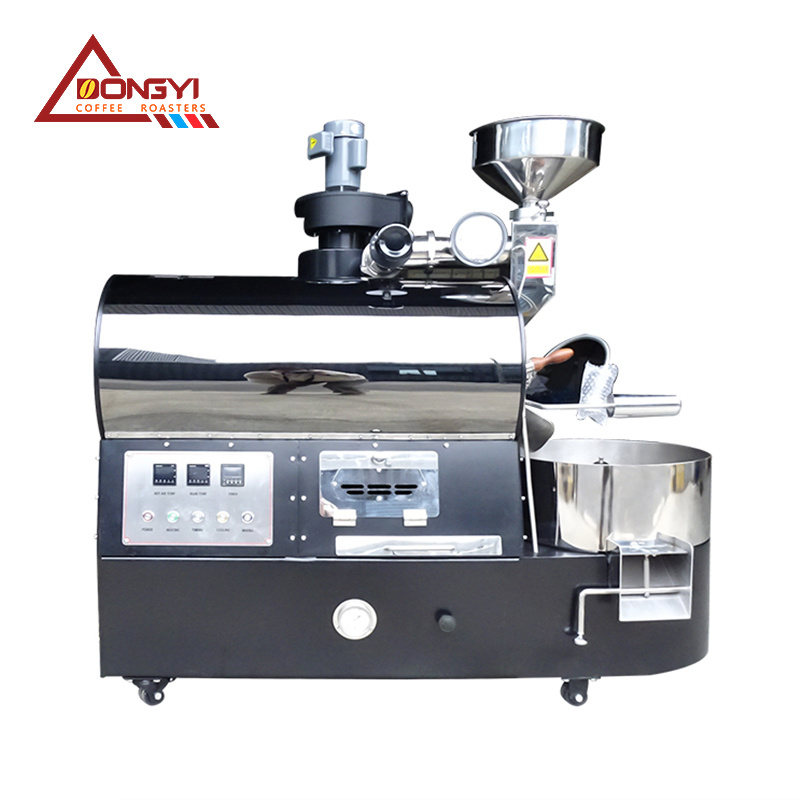
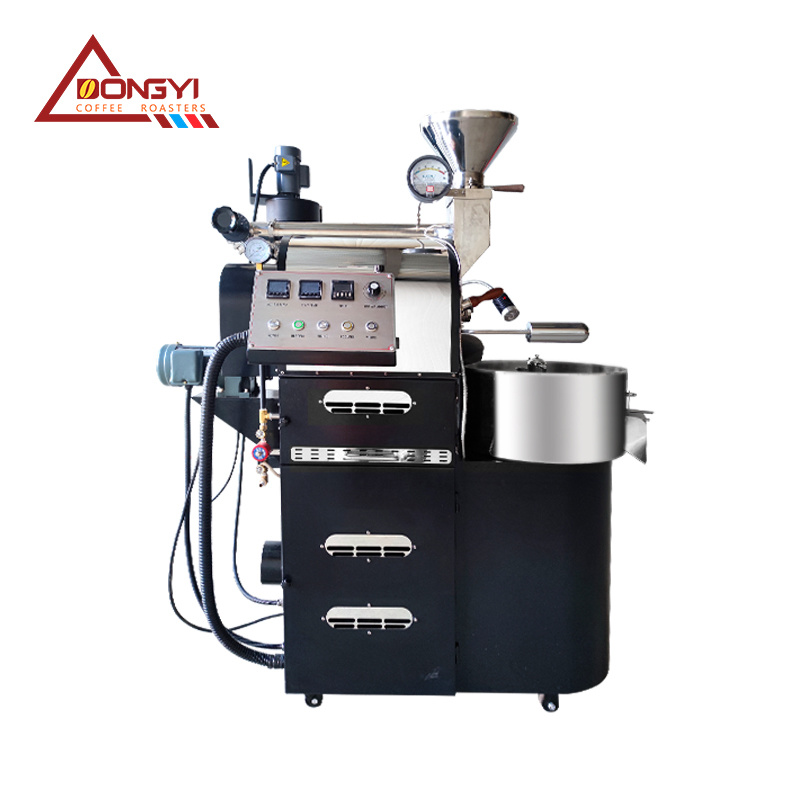
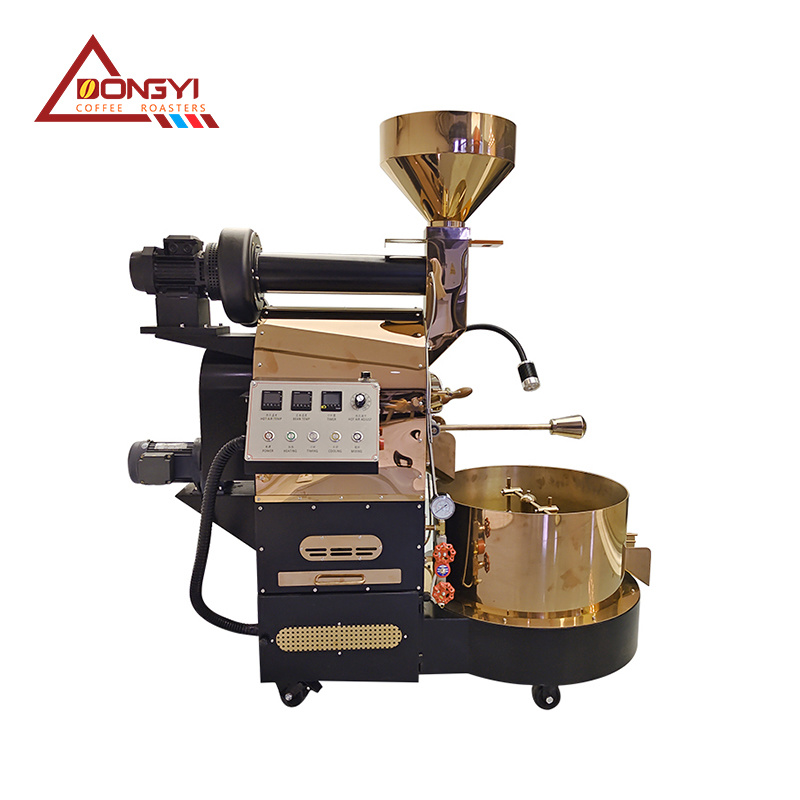
A gas coffee roaster is a machine that uses natural gas or propane as its heat source to roast coffee beans. Unlike electric roasters, gas models offer quick heat-ups, allowing for better control over the roasting temperature and time. This control is crucial in crafting a roast profile that highlights the unique flavors inherent in different coffee beans.
How Does Gas Roasting Differ from Electric Roasting?
While both gas and electric roasters serve the same purpose, their methods differ significantly.
- **Heat Control**: Gas roasters provide more responsive heating, allowing for immediate adjustments during the roasting process. Electric roasters, on the other hand, may take longer to adjust to temperature changes.
- **Flavor Development**: Gas roasting tends to produce more complex flavor profiles due to the ability to achieve higher temperatures quickly and reduce roasting times.
- **Cost Efficiency**: While electric roasters can sometimes be less expensive, gas roasters often offer better long-term savings due to lower fuel costs.
The Benefits of Using Gas Coffee Roasters
1. Precision in Roasting
Gas coffee roasters excel in providing precise temperature control, crucial for achieving optimal roast levels. The ability to fine-tune the heat allows roasters to explore different profiles, from light to dark roasts, with confidence.
2. Consistency is Key
Achieving consistency in roasting is vital for any coffee lover. Gas roasters maintain stable temperatures, which means every batch of beans can be roasted to perfection, ensuring a uniform flavor across multiple roasts.
3. Faster Roasting Times
With a gas coffee roaster, you can reduce the time it takes to roast beans significantly. This efficiency is helpful for commercial roasters needing to keep up with demand, as well as for avid home roasters looking to enjoy fresh coffee without long wait times.
4. Enhanced Flavor Profiles
Gas roasters often allow for more aggressive roasting, which can help bring out the inherent flavors of specific bean varieties. The quick heat application can caramelize sugars and enhance the overall complexity of the coffee.
Choosing the Right Gas Coffee Roaster
Factors to Consider When Buying a Gas Coffee Roaster
Investing in a gas coffee roaster requires careful consideration to ensure you select a model that fits your needs. Here are some important factors to keep in mind:
- **Batch Size**: Determine how much coffee you typically roast. Smaller models are ideal for home use, while larger roasters cater to commercial needs.
- **Build Quality**: Look for durable materials that can withstand high temperatures and regular use.
- **Temperature Control Options**: Advanced models may offer digital controls for precise temperature adjustments.
- **Ease of Use and Maintenance**: Consider how user-friendly the roaster is and how easily it can be cleaned and maintained.
Popular Brands of Gas Coffee Roasters
Several reputable brands manufacture gas coffee roasters, each offering unique features. Some of the most popular include:
- **Probat**: Known for their high-end commercial roasters that provide incredible performance and versatility.
- **Diedrich**: Offers a variety of models that cater to both small businesses and larger operations, focusing on quality and consistency.
- **Behmor**: A more budget-friendly option for home roasters, providing good quality without breaking the bank.
The Coffee Roasting Process Explained
1. Green Coffee Preparation
Before roasting, ensure that your green coffee beans are clean and sorted. High-quality beans lead to better roasts, so invest in good sourcing practices.
2. Preheating the Roaster
Preheat your gas coffee roaster to the desired temperature. This step is crucial for ensuring that the beans start roasting evenly.
3. Adding the Beans
Once preheated, gently add your green coffee beans to the roasting chamber. Make sure to monitor the temperature closely as the beans begin to roast.
4. Roasting Stages
Understanding the different stages of coffee roasting is vital for achieving specific flavor profiles.
- **Drying Stage**: This initial stage removes moisture from the beans and typically lasts for about 5-10 minutes.
- **First Crack**: As the beans expand and release gases, you’ll hear a popping sound known as the first crack, indicating that they are entering the light roast phase.
- **Development Stage**: Post first crack, you can adjust the roasting time to develop the flavors to your desired profile.
5. Cooling the Beans
Once your desired roast level is achieved, quickly cool the beans to stop the roasting process. Most gas roasters have a cooling tray that helps facilitate this step.
Tips for Mastering Gas Coffee Roasting
1. Experiment with Different Beans
Don’t be afraid to explore various coffee beans from different regions. Each variety offers unique characteristics that can provide exciting results when roasted.
2. Keep a Roast Log
Maintain a detailed log of your roasting sessions, noting the bean type, temperature, time, and flavor notes. This practice will help you refine your technique and achieve consistency over time.
3. Adjust for Ambient Conditions
Environmental factors such as humidity and altitude can affect roasting. Be prepared to adjust your roasting time and temperature based on these conditions.
4. Trust Your Senses
While technology and measurements are important, trust your senses. Taste and smell are crucial components in determining when to stop the roast.
Common Mistakes to Avoid in Gas Coffee Roasting
1. Ignoring Temperature Fluctuations
Failing to monitor temperature changes can lead to uneven roasting. Always stay vigilant during the process.
2. Overlooking Bean Quality
Using low-quality beans will yield poor results, regardless of how well you roast them.
3. Rushing the Process
Coffee roasting is an art that requires patience. Don’t rush through the steps; take your time to achieve the best flavors.
4. Neglecting Maintenance
Regular cleaning and maintenance of your gas roaster are essential for its longevity and consistent performance.
Frequently Asked Questions (FAQs)
1. What are the advantages of using gas coffee roasters over electric ones?
Gas coffee roasters offer better heat control, faster roasting times, and can produce more complex flavor profiles, making them a preferred choice for many roasters.
2. How do I know when my coffee beans are roasted to perfection?
The best way to determine the roast level is by listening for the first crack and then monitoring the color and smell of the beans. Conducting taste tests will also help in fine-tuning your roasting process.
3. Can I use a gas coffee roaster at home?
Yes, there are smaller gas coffee roasters designed specifically for home use, providing excellent results without requiring an industrial setup.
4. How should I store my roasted coffee beans?
Roasted coffee beans should be stored in an airtight container away from light, heat, and moisture to preserve their freshness.
5. What is the ideal roasting temperature for gas coffee roasting?
The ideal roasting temperature varies depending on the beans and desired roast level, but it typically ranges from 400°F to 480°F.
Conclusion
Gas coffee roasters are an excellent investment for anyone serious about coffee roasting. With their ability to control heat precisely, they allow for experimentation and creativity in the roasting process. By understanding the intricacies of gas roasting, from bean selection to mastering the roasting process, you can unlock the full potential of your coffee beans. Whether you're a hobbyist or a commercial roaster, embracing gas coffee roasting can elevate your coffee experience to new heights.
Recommended

Phone/WhatsApp:
Email:
About Us
We are a real coffee roasting machine manufacturer, providing OEM and ODM services, we have established a series of brands with our own characteristics.
HUATAO GROUP
Leave Message
Expand your business with a trusted partner
SAF Coolest v1.3.1.2 设置面板 GDNSD-ZRUA-MDADE-ZZE
违禁词: 第一,最,一流,领先,独一无二,王者,龙头,领导者,极致,
无数据提示
Sorry, the current column is being updated, so stay tuned!