




China BlGGEST coffee roaster manufacter factory, l year exported up 2000sets to 35 world countries.
From Bean to Brew: The Transformative Journey of Coffee with the Master PLC Gas Coffee Roaster
Time:
29 Nov,2024
From Bean to Brew: The Transformative Journey of Coffee with the Master PLC Gas Coffee Roaster
Table of Contents
- What Is Coffee Roasting?
- The Importance of Coffee Roasting in Flavor Development
- Introduction to the Master PLC Gas Coffee Roaster
- How the Master PLC Gas Coffee Roaster Transforms Coffee
- Key Features of the Master PLC Gas Coffee Roaster
- Techniques for Optimizing Your Roasting Process
- Brewing Coffee from Your Freshly Roasted Beans
- Frequently Asked Questions
- Conclusion
What Is Coffee Roasting?
Coffee roasting is a crucial step in the journey from bean to brew, whereby green coffee beans undergo a transformation through heat application. This process brings out the rich flavors, aromas, and characteristics that make coffee enjoyable. In essence, roasting converts the raw, unprocessed beans into the delectable coffee we savor. The degree of roasting plays a significant role in the final flavor profile, influencing everything from acidity to sweetness and bitterness.
The Importance of Coffee Roasting in Flavor Development
Understanding the importance of coffee roasting is essential for coffee enthusiasts and professionals alike. The roasting process initiates a series of chemical reactions, known as the Maillard reaction and caramelization, which significantly impact the coffee's taste. Light roasts preserve more of the bean's original flavor, while dark roasts bring out deeper, bolder notes. Mastering the art of roasting can enhance the coffee's complexity, allowing connoisseurs to appreciate the full spectrum of flavors.
Introduction to the Master PLC Gas Coffee Roaster
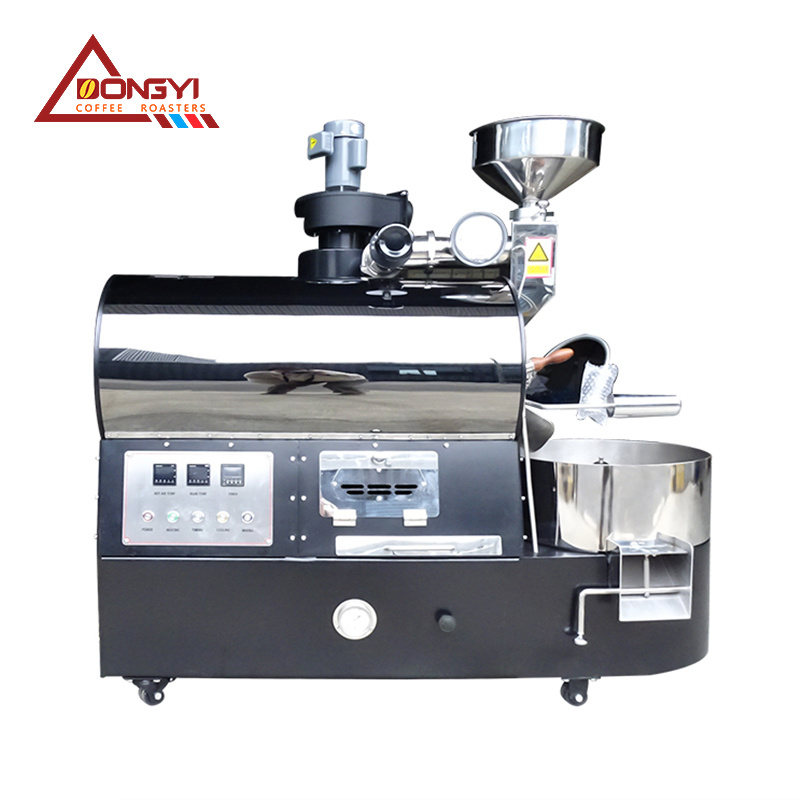
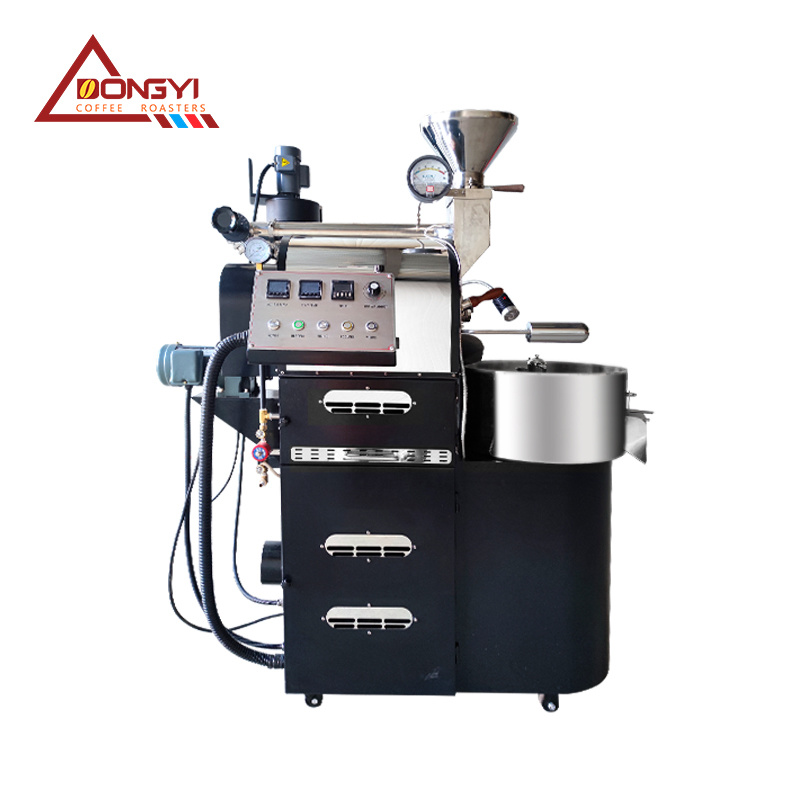
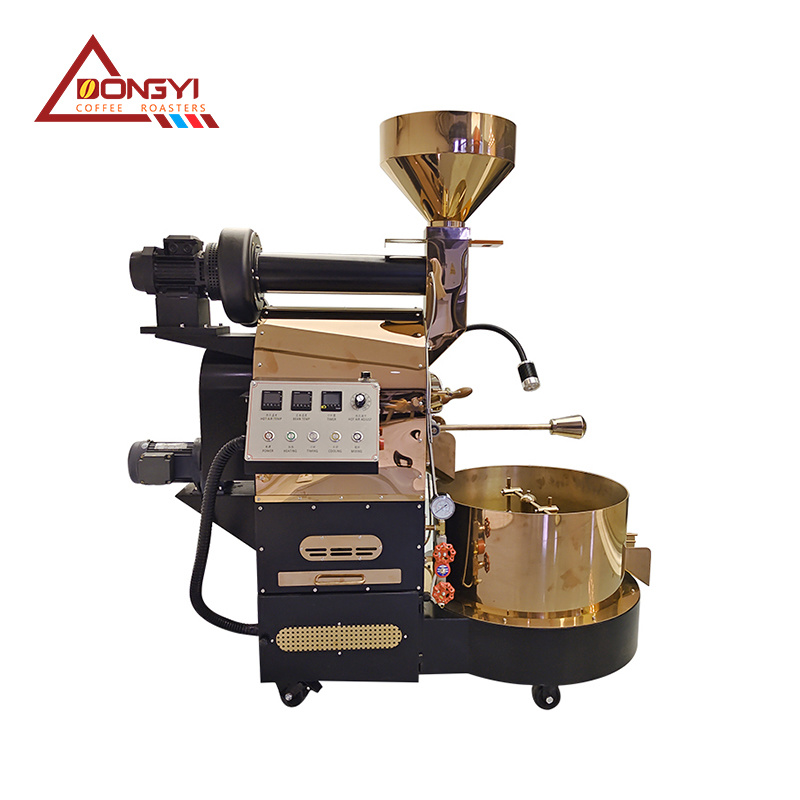
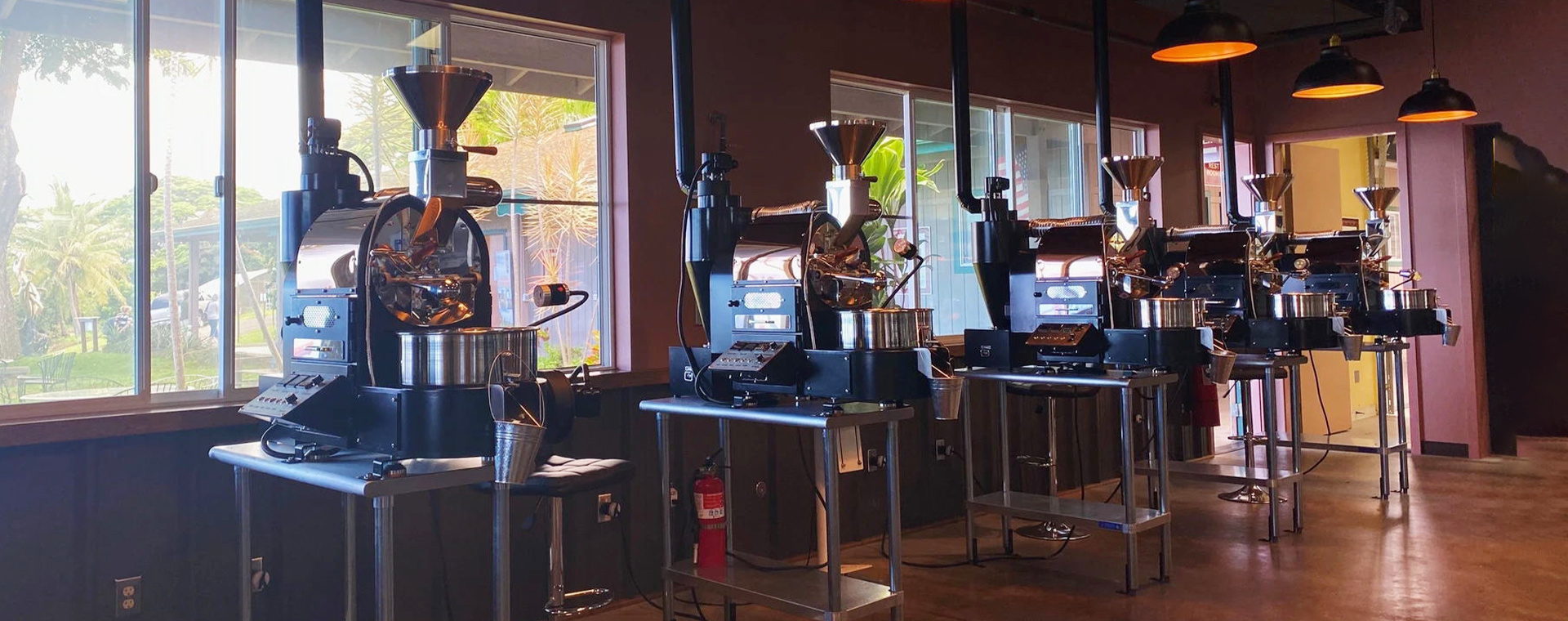
The Master PLC Gas Coffee Roaster stands out in the market due to its advanced technology and precision control. Engineered for both commercial and artisanal use, it offers an unparalleled roasting experience. Its programmable PLC (Programmable Logic Controller) allows for meticulous adjustments throughout the roasting process, ensuring consistency and quality in every batch. This roaster is designed not just for efficiency but also for delivering exceptional flavor profiles tailored to the roaster's preferences.
How the Master PLC Gas Coffee Roaster Transforms Coffee
The transformation of coffee begins with the selection of high-quality green beans. Once loaded into the Master PLC, the roasting process can commence. The roaster's innovative design ensures even heat distribution, critical for achieving a uniform roast. This technology allows roastmasters to control variables such as temperature, airflow, and roasting time precisely.
During the roasting phase, the Master PLC monitors the beans closely, capturing data that informs the roaster when to introduce changes. As the beans heat up, they undergo several stages: drying, browning, and development. Each stage is vital for enhancing the coffee’s flavor and aroma. By utilizing this advanced equipment, roasters can experiment with different profiles, leading to unique and memorable coffee experiences.
Key Features of the Master PLC Gas Coffee Roaster
The Master PLC Gas Coffee Roaster is equipped with an array of features designed for optimal performance:
- Programmable Logic Controller: Offers precise control over roasting parameters, allowing roasters to save and replicate successful profiles.
- Gas-Fired Heat Source: Ensures consistent and efficient heating, enabling quicker roast times while preserving the beans’ integrity.
- Data Logging: Tracks various roasting metrics, allowing for continuous improvement and refinement of roasting techniques.
- Easy Interface: User-friendly controls simplify the roasting process, making it accessible for both beginners and seasoned professionals.
- High-Quality Materials: Built with durable components to withstand the demands of daily use in commercial settings.
Techniques for Optimizing Your Roasting Process
To get the most out of the Master PLC Gas Coffee Roaster, here are techniques to optimize your roasting process:
1. Experiment with Different Bean Varieties
Each coffee bean has distinct characteristics, and experimenting with various origins can lead to surprising flavor discoveries. Try roasting beans from different regions to see how their unique profiles respond to the roasting process.
2. Adjust Temperature and Time
Fine-tuning the roasting temperature and time is essential for achieving the desired flavor profile. Lighter roasts require shorter roasting times at lower temperatures, while darker roasts demand longer times and higher temperatures.
3. Monitor Development Time
The development time—the time after the first crack until the roast is complete—plays a critical role in flavor. Investing time in monitoring this phase can lead to a more nuanced coffee.
4. Utilize Data for Consistency
The data logging feature of the Master PLC allows roasters to analyze past batches, providing insights into what works and what doesn’t. Use this data to refine your roasting profiles over time.
5. Cup and Taste Regularly
Regular cupping sessions will help identify the best flavor profiles and allow you to adjust your roasting methods accordingly. Develop your palate to recognize the subtle differences in your brews.
Brewing Coffee from Your Freshly Roasted Beans
The final step in the coffee journey is brewing. Once you have roasted your beans to perfection, it’s time to extract those delightful flavors. Here are some popular brewing methods:
1. French Press
The French Press method allows the oils and sediments to remain in the brew, creating a full-bodied flavor. Coarse grind your roasted beans, steep for about four minutes, and press down the plunger for a rich cup.
2. Pour-Over
This method provides precise control over the brewing process. Use a medium grind, and pour hot water in a circular motion over the grounds for an aromatic and clean cup.
3. Espresso
For a bold and concentrated shot of coffee, espresso brewing is the way to go. Use a fine grind and high pressure to extract intense flavors, perfect for various espresso-based drinks.
4. Cold Brew
Cold brew coffee is smooth and less acidic, making it a popular choice in warmer months. Coarsely grind your beans and steep them in cold water for 12 to 24 hours, then strain for a refreshing drink.
Frequently Asked Questions
1. What makes the Master PLC Gas Coffee Roaster different from other roasters?
The Master PLC features advanced programmable controls, gas-fired heating for consistency, and data logging capabilities that set it apart from traditional roasters.
2. Can I roast different types of beans in the Master PLC?
Yes, the Master PLC is versatile and can roast a variety of beans from different regions, allowing you to explore diverse flavor profiles.
3. How long does it take to roast coffee with the Master PLC?
The roasting time varies based on the desired roast level but typically ranges from 10 to 20 minutes, depending on the batch size and bean type.
4. Is it easy to clean the Master PLC after use?
Yes, the Master PLC is designed for easy cleaning, with removable components that simplify maintenance and upkeep.
5. What is the best way to store freshly roasted coffee beans?
Freshly roasted beans should be stored in an airtight container in a cool, dark place to maintain their freshness and flavor for as long as possible.
Conclusion
The Master PLC Gas Coffee Roaster offers coffee enthusiasts an unparalleled experience in the art of coffee roasting. By understanding the roasting process, experimenting with different techniques, and utilizing advanced features, one can transform raw beans into a flavorful cup of coffee. From bean to brew, the journey is not just about brewing coffee; it’s about crafting an experience that delights the senses. Embrace the transformative journey with the Master PLC and elevate your coffee game to new heights.
Recommended

Phone/WhatsApp:
Email:
About Us
We are a real coffee roasting machine manufacturer, providing OEM and ODM services, we have established a series of brands with our own characteristics.
HUATAO GROUP
Leave Message
Expand your business with a trusted partner
SAF Coolest v1.3.1.2 设置面板 GDNSD-ZRUA-MDADE-ZZE
无数据提示
Sorry, the current column is being updated, so stay tuned!