



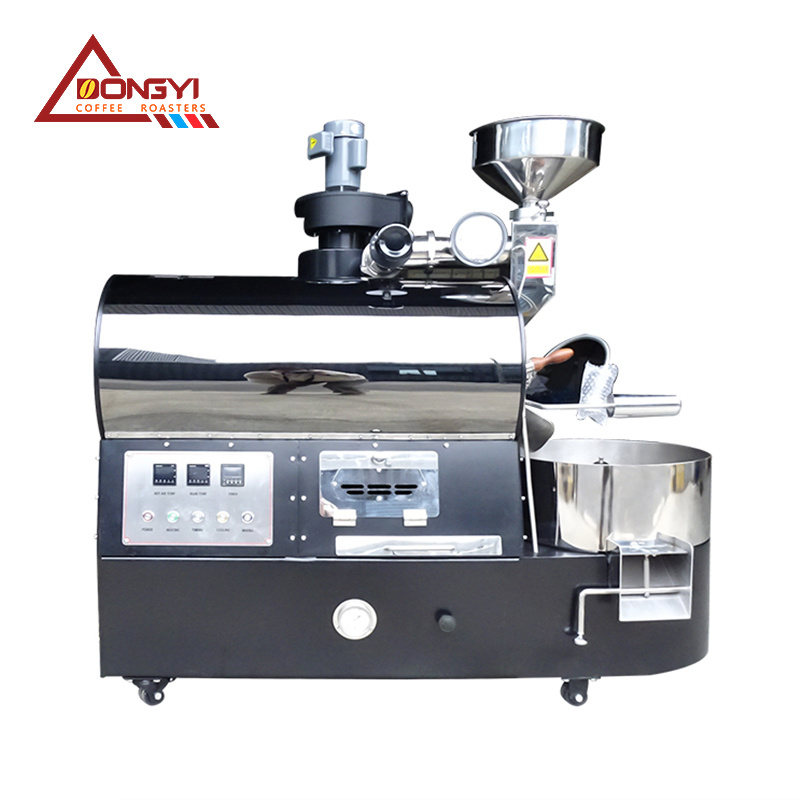
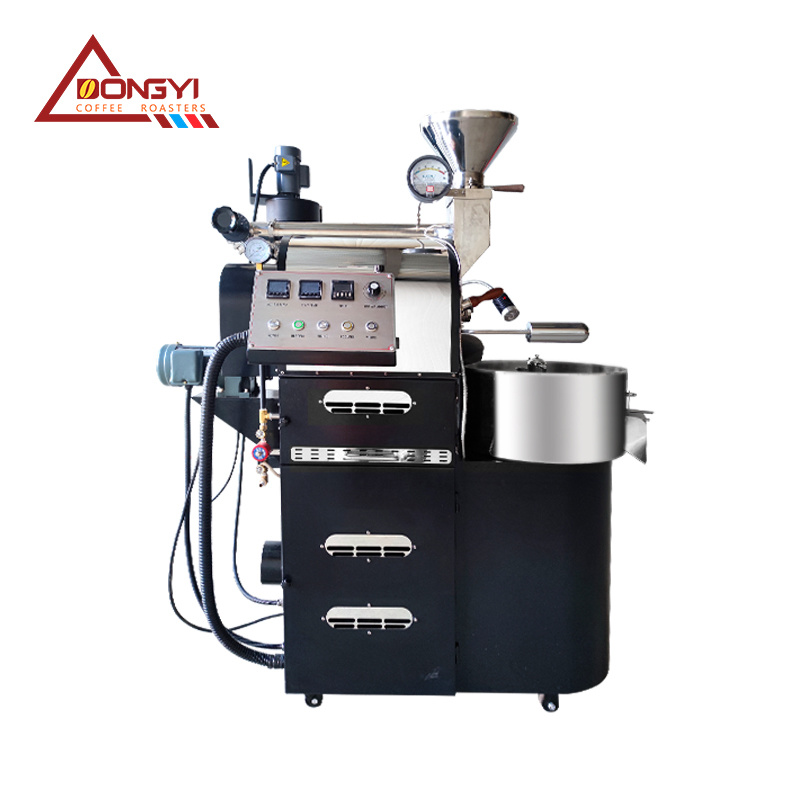
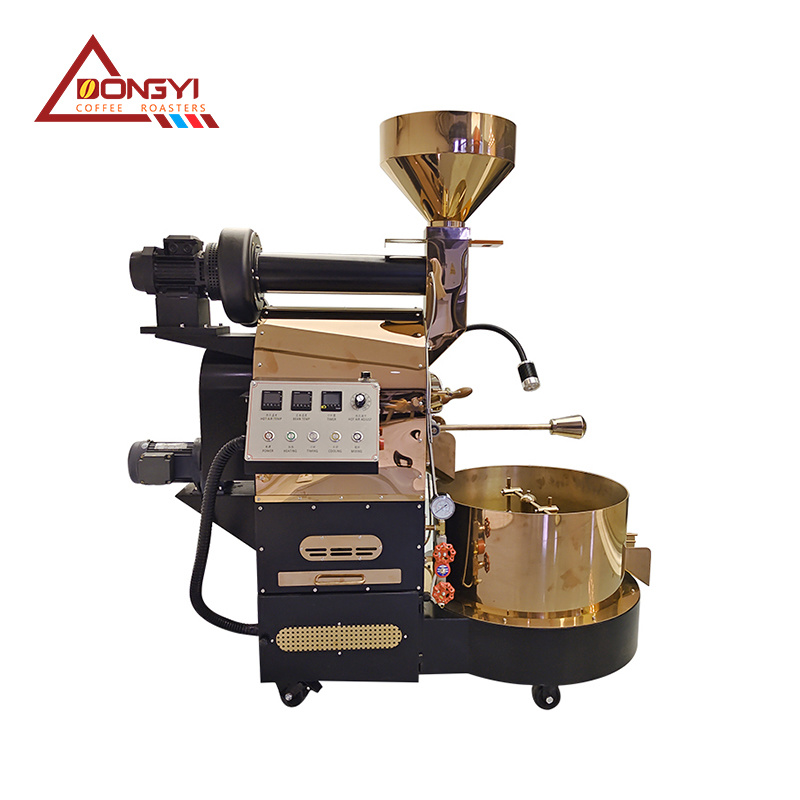

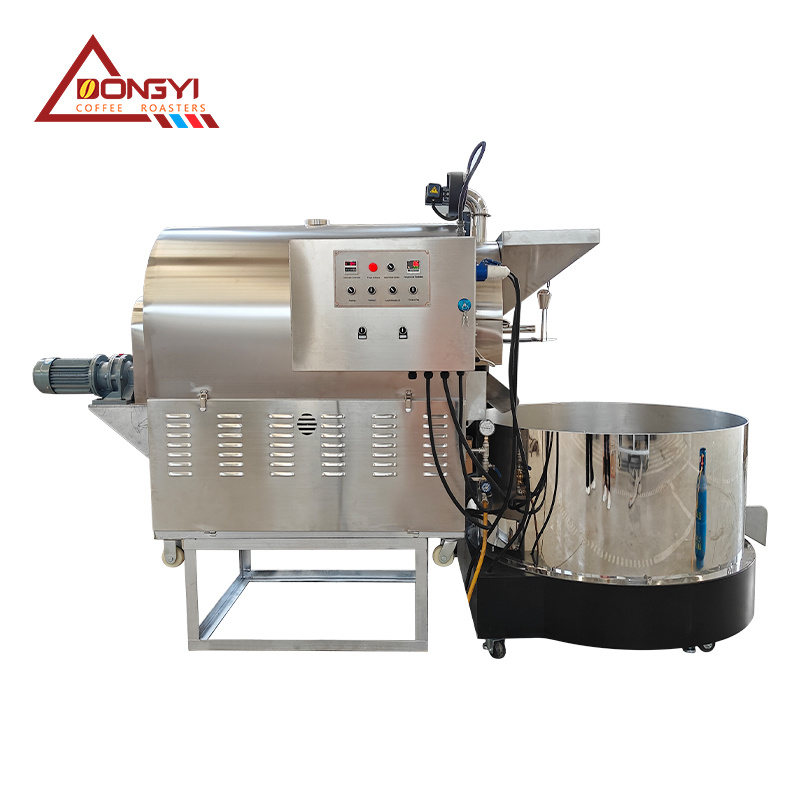
China BlGGEST coffee roaster manufacter factory, l year exported up 2000sets to 35 world countries.
Choosing the Right Automatic Roaster for Your Coffee Needs: A Comprehensive Guide
Time:
05 Dec,2024
Choosing the Right Automatic Roaster for Your Coffee Needs
Table of Contents
1. Understanding Automatic Coffee Roasters
2. Benefits of Using an Automatic Roaster
3. Key Features to Consider
3.1 Roast Profile Options
3.2 Capacity and Batch Size
3.3 Temperature Control and Monitoring
3.4 Build Quality and Materials
4. Types of Automatic Coffee Roasters
4.1 Drum Roasters
4.2 Air Roasters
5. The Roasting Process: What to Expect
6. Maintenance and Care for Your Roaster
7. Top Automatic Roaster Brands to Consider
8. Frequently Asked Questions (FAQs)
9. Conclusion
1. Understanding Automatic Coffee Roasters
Automatic coffee roasters offer a convenient and efficient way to roast coffee beans at home. Unlike traditional methods that require constant attention, these machines automate the roasting process, allowing you to enjoy freshly roasted coffee without the hassle. With technology advancing rapidly, automatic roasters now come equipped with various features to enhance your roasting experience.
2. Benefits of Using an Automatic Roaster
Investing in an automatic coffee roaster brings several advantages that can significantly enhance your coffee-making journey.
- **Consistency in Roasting**: Automatic roasters provide uniform heat distribution, ensuring that all beans are roasted evenly. This consistency is crucial for achieving the desired flavor profiles.
- **Time Efficiency**: With automated settings, you can roast your coffee beans while attending to other tasks, making it a perfect solution for busy lifestyles.
- **Customization**: Most automatic roasters allow you to adjust settings such as temperature and time, giving you control over the roast profile and flavor development.
- **Cost-Effective**: By roasting your beans at home, you save money in the long run compared to purchasing specialty coffees from cafes.
3. Key Features to Consider
When selecting an automatic coffee roaster, it's essential to pay attention to specific features that will enhance your overall experience. Let's explore these key features in detail.
3.1 Roast Profile Options
Different coffee enthusiasts have varying preferences for roast levels, ranging from light to dark. Look for roasters that offer multiple roast profile options to cater to your taste. A good automatic roaster will allow you to experiment and find the perfect roast for your palate.
3.2 Capacity and Batch Size
Consider how much coffee you typically consume or use for brewing. Automatic roasters come in various sizes, with capacities ranging from small (about 100 grams) to larger models (up to 1 kilogram). Determine your needs and choose a roaster that fits your lifestyle.
3.3 Temperature Control and Monitoring
Precise temperature control is key to achieving the desired roast. Look for machines that offer accurate temperature settings and monitoring features. Digital displays and integrated thermometers can help you keep track of the roasting process in real-time.
3.4 Build Quality and Materials
A durable coffee roaster is a worthwhile investment. Look for models made with high-quality materials that can withstand the rigors of regular use. Stainless steel or robust plastic casings can enhance the longevity of your machine.
4. Types of Automatic Coffee Roasters
Understanding the different types of automatic coffee roasters can help you make an informed decision.
4.1 Drum Roasters
Drum roasters rotate the beans in a cylindrical chamber heated by a gas or electric source. This method allows for even roasting and is favored by many professional roasters. Drum roasters can produce rich and complex flavors, making them ideal for coffee enthusiasts who enjoy exploring various profiles.
4.2 Air Roasters
Air roasters, also known as fluid bed roasters, utilize hot air to roast the beans. This method offers quick roasting times and is often quieter than drum roasters. Air roasters are typically more compact and easier to clean, making them suitable for home use.
5. The Roasting Process: What to Expect
The roasting process involves several stages, each contributing to the final flavor profile of your coffee. Here’s a brief overview:
- **Green Bean Preparation**: Start with high-quality green coffee beans. Rinse and dry them if necessary.
- **Initial Heating**: Preheat your roaster to the desired temperature before adding the beans.
- **First Crack**: As the beans heat, they expand and emit a cracking sound. This is known as the first crack and typically occurs at around 385°F (196°C).
- **Development Time**: Post-first crack, you can choose to develop the roast further to achieve your desired flavor and aroma.
- **Cooling**: After reaching the preferred roast level, the beans should be cooled quickly to halt the roasting process. Many automatic roasters have built-in cooling mechanisms.
6. Maintenance and Care for Your Roaster
Proper maintenance of your automatic coffee roaster is essential for longevity and performance. Regularly clean the machine according to the manufacturer's instructions, paying close attention to the roasting chamber and cooling tray. Additionally, ensure that you regularly empty and clean any chaff collectors to avoid potential fire hazards.
7. Top Automatic Roaster Brands to Consider
When it comes to choosing an automatic coffee roaster, certain brands stand out for their quality and innovation. Here are some top brands to consider:
- **Behmor**: Known for their affordable and user-friendly models, Behmor roasters are perfect for beginners.
- **Hottop**: This brand offers more advanced options for serious coffee enthusiasts who want to control every aspect of the roasting process.
- **Gene Cafe**: Ideal for those seeking a compact roaster that delivers excellent results, Gene Cafe roasters are praised for their versatility.
- **FreshRoast**: Renowned for their air roasters, FreshRoast offers a simple yet efficient roasting process suitable for home users.
8. Frequently Asked Questions (FAQs)
1. What is the difference between a drum roaster and an air roaster?
Drum roasters use a rotating chamber to heat the beans, while air roasters utilize hot air currents. Drum roasters typically provide more flavor complexity, whereas air roasters are quicker and easier to clean.
2. How much coffee can I roast at once?
The amount varies by model. Smaller roasters may handle 100 grams, while larger models can roast up to 1 kilogram at a time.
3. Can I roast different types of beans together?
It is generally advised to roast different beans separately, as they can have varying roasting times and temperatures.
4. How do I clean my coffee roaster?
Follow the manufacturer's cleaning instructions. Regularly clean the roasting chamber, chaff collector, and cooling tray to maintain your roaster's performance.
5. What should I consider when buying a used roaster?
Check for signs of wear, functionality, and remaining warranty. Ensure to ask about its maintenance history and any repairs performed.
9. Conclusion
Selecting the right automatic coffee roaster requires careful consideration of various features, types, and your personal preferences. By understanding the benefits and functionalities of these machines, you can enhance your coffee experience and enjoy freshly roasted beans at home. Whether you opt for a drum or air roaster, investing in the right equipment will undoubtedly elevate your coffee journey, allowing you to indulge in rich, flavorful brews tailored to your taste. With this comprehensive guide in hand, you are now well-equipped to make an informed decision and enjoy the wonderful world of coffee roasting.
Recommended

Phone/WhatsApp:
Email:
About Us
We are a real coffee roasting machine manufacturer, providing OEM and ODM services, we have established a series of brands with our own characteristics.
HUATAO GROUP
Leave Message
Expand your business with a trusted partner
SAF Coolest v1.3.1.2 设置面板 GDNSD-ZRUA-MDADE-ZZE
违禁词: 第一,最,一流,领先,独一无二,王者,龙头,领导者,极致,
无数据提示
Sorry, the current column is being updated, so stay tuned!