




China BlGGEST coffee roaster manufacter factory, l year exported up 2000sets to 35 world countries.
Creating Your Own Coffee Flavor Profiles with a Classical Coffee Roaster
Time:
23 Dec,2024
Creating Your Own Coffee Flavor Profiles with a Classical Coffee Roaster
Table of Contents
- Introduction to Coffee Roasting
- Understanding Coffee Flavor Profiles
- Factors That Influence Coffee Flavors
- The Coffee Roasting Process
- Equipment Needed for Coffee Roasting
- Steps to Roast Coffee
- Testing and Tasting Your Coffee
- Exploring Advanced Techniques
- FAQ
- Conclusion
Introduction to Coffee Roasting
Coffee roasting is both an art and a science, transforming green coffee beans into a fragrant, flavorful beverage that has captivated millions. With the growing popularity of specialty coffee, more enthusiasts are venturing into the realm of home roasting. A classical coffee roaster offers the perfect balance of control and tradition, allowing individuals to experiment and create their own unique flavor profiles. In this article, we will guide you through the essentials of roasting coffee and customizing flavors to suit your palate.
Understanding Coffee Flavor Profiles
Before diving into the mechanics of roasting, it's crucial to understand what a flavor profile is. A flavor profile encompasses the aroma, acidity, sweetness, bitterness, body, and aftertaste of coffee. These elements, combined, create the overall taste experience.
The Components of Coffee Flavor
- **Aroma**: The scent of brewed coffee, which contributes significantly to its flavor.
- **Acidity**: A bright, crisp quality that can make coffee taste lively.
- **Sweetness**: The natural sugars in coffee, adding depth and balance.
- **Bitterness**: Often derived from the roasting process, adding complexity.
- **Body**: The weight or thickness of the coffee on the palate.
- **Aftertaste**: The lingering flavors remaining after swallowing.
Understanding these components will enable you to manipulate them through the roasting process, helping you create a coffee that is distinctly yours.
Factors That Influence Coffee Flavors
Several key factors affect the flavors of coffee, many of which can be adjusted during the roasting process:
1. Origin of Coffee Beans
The geographical location where coffee is grown significantly influences its flavor. Different regions yield beans with distinct characteristics. For example, Ethiopian coffees may have floral and fruity notes, while Colombian beans often exhibit a well-balanced sweetness.
2. Processing Method
The way coffee beans are processed after harvesting can also impact flavor. Common methods include washed, natural, and honey processing, each contributing unique attributes to the coffee.
3. Roast Level
The degree to which coffee beans are roasted plays a vital role in flavor development. Light roasts tend to highlight the inherent qualities of the beans, while dark roasts bring out more robust and smoky flavors.
4. Freshness
Freshly roasted coffee maintains its vibrant flavors better than older beans. Ideally, coffee should be consumed within two weeks of roasting for the best experience.
The Coffee Roasting Process
Roasting coffee involves several stages, each contributing to the final flavor profile. Understanding these stages allows you to manipulate variables to achieve your desired outcome.
1. Drying Stage
The roasting process begins with the drying stage, where moisture is evaporated from the beans. This stage typically lasts for several minutes and is crucial for flavor development.
2. Maillard Reaction
As the beans heat up, a chemical reaction occurs, known as the Maillard reaction. This is where the sugars and amino acids in the beans react, developing complex flavors and aromas.
3. First Crack
At around 385°F (196°C), the first crack occurs, and the beans expand. This is an important milestone, as it indicates that the coffee has reached a light roast level.
4. Second Crack
If roasting continues, a second crack will occur at approximately 435°F (224°C). This indicates a darker roast level and introduces more bitter flavors.
Equipment Needed for Coffee Roasting
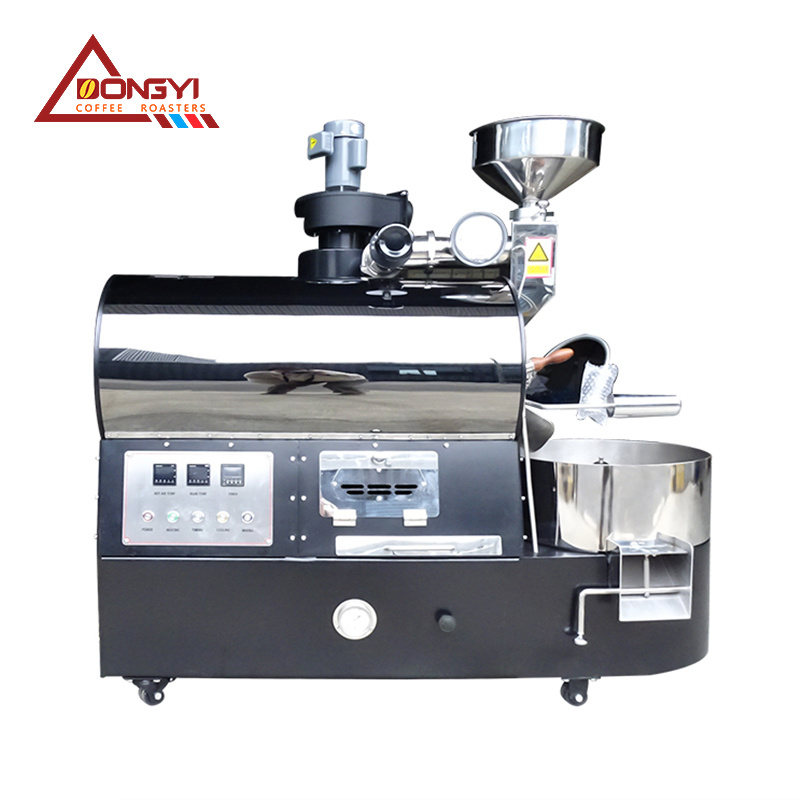
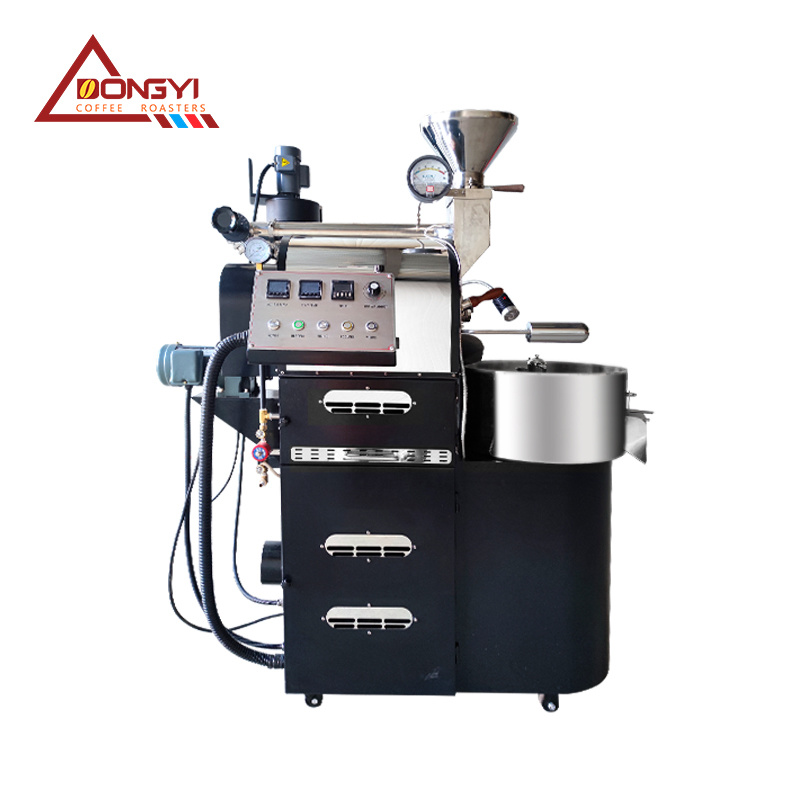
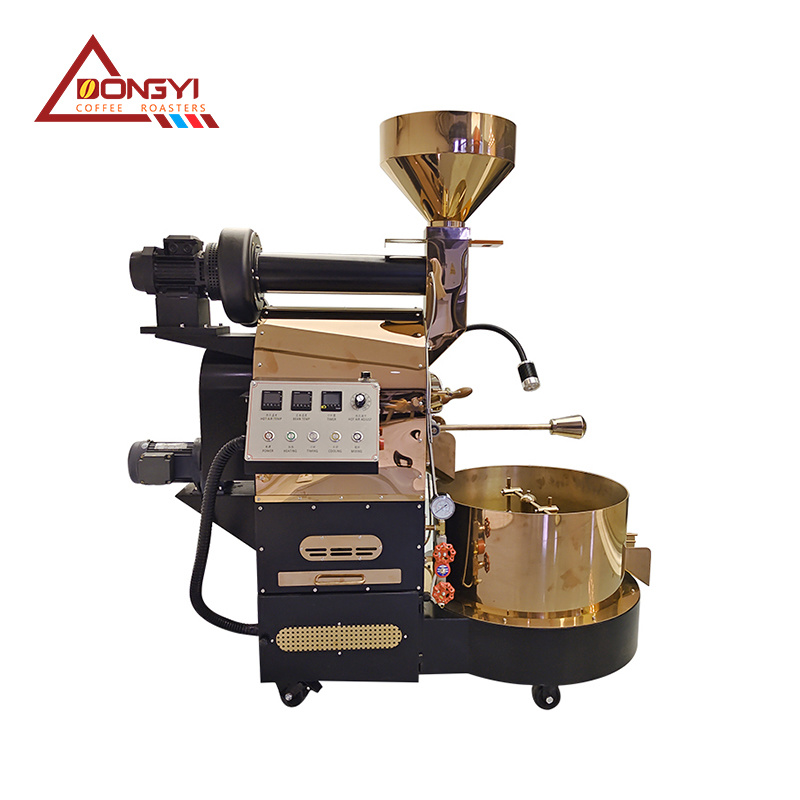
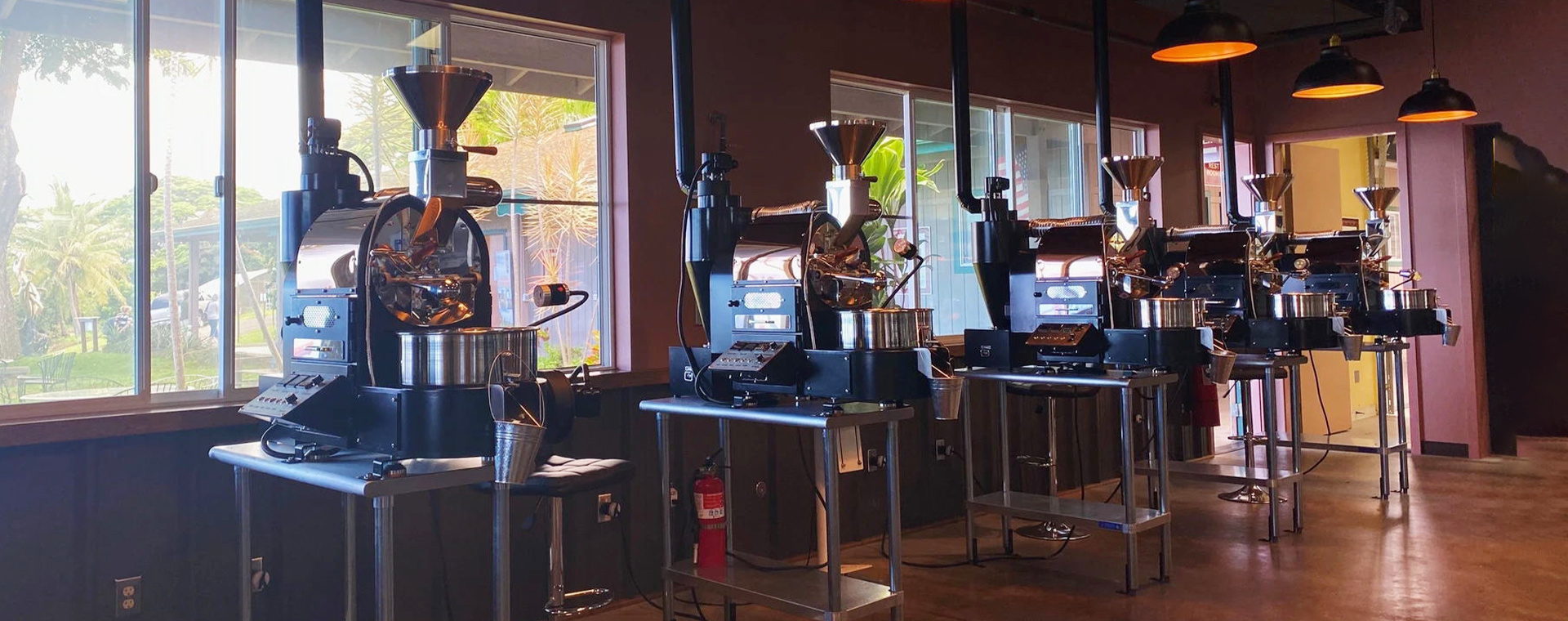
To begin your coffee roasting journey, you'll need some essential equipment. While there are commercial roasters available, a classical coffee roaster is ideal for crafting personalized flavors.
1. Classical Coffee Roaster
A classical coffee roaster allows for precise control over the roasting process, enabling you to experiment with various roasting profiles.
2. Green Coffee Beans
Start with high-quality, green coffee beans sourced from reputable suppliers. Be sure to explore different origins and processing methods.
3. Thermometer
A reliable thermometer is essential to monitor temperatures throughout the roasting process.
4. Scale
A digital scale ensures accurate measurements of coffee beans for consistent results.
5. Tasting Equipment
Invest in cupping bowls, spoons, and a kettle for optimal tasting and evaluation of your roasted coffee.
Steps to Roast Coffee
Roasting coffee at home can be a satisfying and rewarding experience. Follow these steps for a successful roast:
1. Prepare Your Workspace
Ensure you have a well-ventilated area, as roasting coffee can produce smoke. Gather all your equipment and ingredients.
2. Measure Your Beans
Weigh out your desired amount of green coffee beans. A standard starting point is 100 grams.
3. Preheat the Roaster
Set your classical roaster to the desired temperature, typically between 400°F (204°C) and 500°F (260°C), depending on your preferred roast level.
4. Begin Roasting
Add the green beans to the roaster and start the timer. Monitor the temperature closely, making adjustments as needed to achieve your desired roast.
5. Listen for Cracks
Pay attention to the sounds of the first and second cracks. These auditory cues are crucial indicators of the roast level.
6. Cool the Beans
Once you've reached your preferred roast, quickly cool the beans using a cooling tray or a baking sheet. This halts the roasting process and preserves the flavors.
7. Store Your Coffee
Store your freshly roasted coffee in an airtight container away from light and heat. Allow the coffee to rest for a day or two for optimal flavor.
Testing and Tasting Your Coffee
The true test of your roasted coffee lies in the tasting. Follow these steps for an effective cupping session:
1. Grind the Coffee
Grind a small sample of your roasted coffee to a coarse consistency.
2. Brew with Hot Water
Add hot water (about 200°F or 93°C) to the ground coffee and let it steep for several minutes.
3. Taste and Analyze
Use a spoon to slurp the coffee, allowing it to spread across your palate. Analyze the flavors and take notes on aroma, acidity, sweetness, and aftertaste.
Exploring Advanced Techniques
Once you've mastered the basics, consider experimenting with more advanced roasting techniques to create unique flavor profiles.
1. Profile Roasting
Profile roasting involves varying the temperature throughout the roasting process to highlight specific flavors. Keep detailed notes for each roast to refine your techniques.
2. Blending Beans
Combine different beans from various origins to create complex flavor profiles. Experimenting with different ratios can yield exciting results.
3. Aging Beans
Aging your green beans can enhance specific flavors. While this technique requires patience, it can lead to remarkable outcomes.
4. Utilizing Flavor Additives
Consider adding natural flavorings, such as vanilla or chocolate, during the roasting process for an additional layer of complexity.
FAQ
1. What is the best roast level for coffee?
The ideal roast level varies based on personal preference. Light roasts highlight acidity and floral notes, while dark roasts offer a bolder, richer flavor.
2. How long can roasted coffee be stored?
Roasted coffee is best consumed within two weeks for optimal freshness. Store it in an airtight container in a cool, dark place.
3. Can I roast coffee beans on a stovetop?
Yes, you can roast coffee beans on a stovetop using a skillet or popcorn popper, but you may have less control over the final roast compared to a dedicated roaster.
4. What are the signs of a well-roasted coffee?
A good roast will have a uniform color, a pleasant aroma, and a balanced flavor profile, without any burnt or overly bitter notes.
5. Is it possible to make flavored coffee without additives?
Yes, the natural flavors from the coffee beans can be enhanced through careful roasting techniques and selection of high-quality beans from specific regions.
Conclusion
Creating your own coffee flavor profiles with a classical coffee roaster is a fulfilling journey that allows you to explore the vast world of coffee. By understanding the roasting process, the factors influencing flavor, and utilizing proper techniques, you can customize your coffee experience to match your unique taste preferences. The satisfaction that comes from roasting your beans and savoring the fruits of your labor is unparalleled. Embrace the art of coffee roasting and enjoy the endless possibilities it offers.
Recommended

Phone/WhatsApp:
Email:
About Us
We are a real coffee roasting machine manufacturer, providing OEM and ODM services, we have established a series of brands with our own characteristics.
HUATAO GROUP
Leave Message
Expand your business with a trusted partner
SAF Coolest v1.3.1.2 设置面板 GDNSD-ZRUA-MDADE-ZZE
违禁词: 第一,最,一流,领先,独一无二,王者,龙头,领导者,极致,
无数据提示
Sorry, the current column is being updated, so stay tuned!