




China BlGGEST coffee roaster manufacter factory, l year exported up 2000sets to 35 world countries.
Perfecting Your Roast: Master PLC Gas Coffee Roaster Settings Explained
Time:
31 Dec,2024
Perfecting Your Roast: Master PLC Gas Coffee Roaster Settings Explained
Table of Contents
- Understanding Coffee Roasting
- The Importance of Roaster Settings
- What is a PLC Gas Coffee Roaster?
- Key Settings for Perfect Roasting
- Temperature Control in Coffee Roasting
- Airflow Management for Consistent Results
- Timing Your Roast: The Right Duration
- Troubleshooting Common Roasting Issues
- Frequently Asked Questions
- Conclusion
Understanding Coffee Roasting
Coffee roasting is an art and a science that transforms green coffee beans into the aromatic brown beans that we brew. This process involves various stages, including drying, browning, and development, each influencing the final flavor profile. Understanding the chemistry of coffee roasting will set the foundation for mastering your PLC gas coffee roaster settings.
The Importance of Roaster Settings
The settings on your coffee roaster significantly impact the quality of the roast. Factors such as temperature, airflow, and time must be optimized to achieve the desired flavor and aroma. A precise adjustment can lead to a perfect roast or a disappointing batch, making it crucial to understand how to master these variables.
What is a PLC Gas Coffee Roaster?
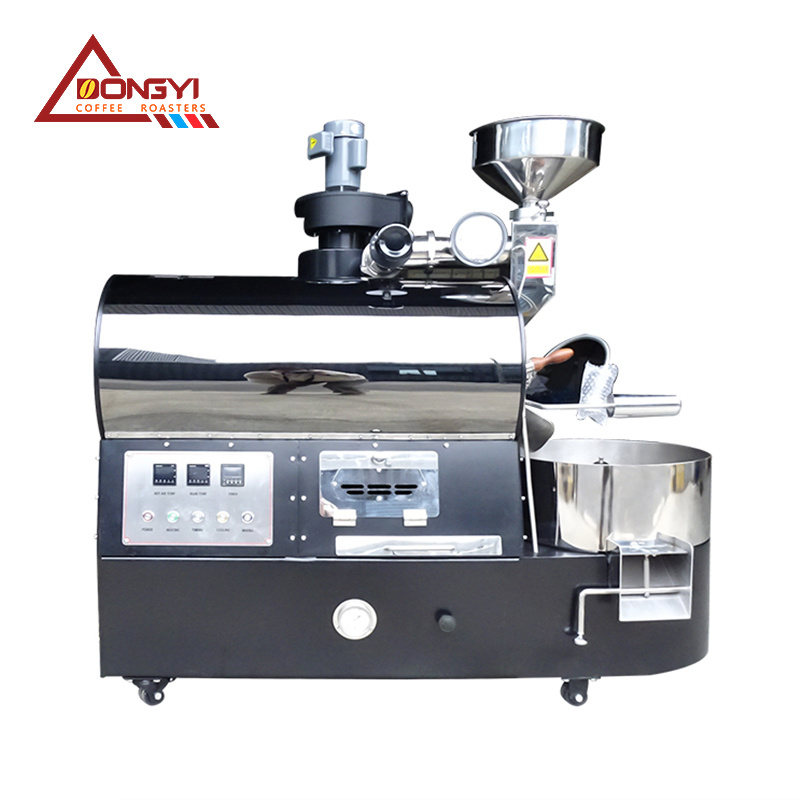
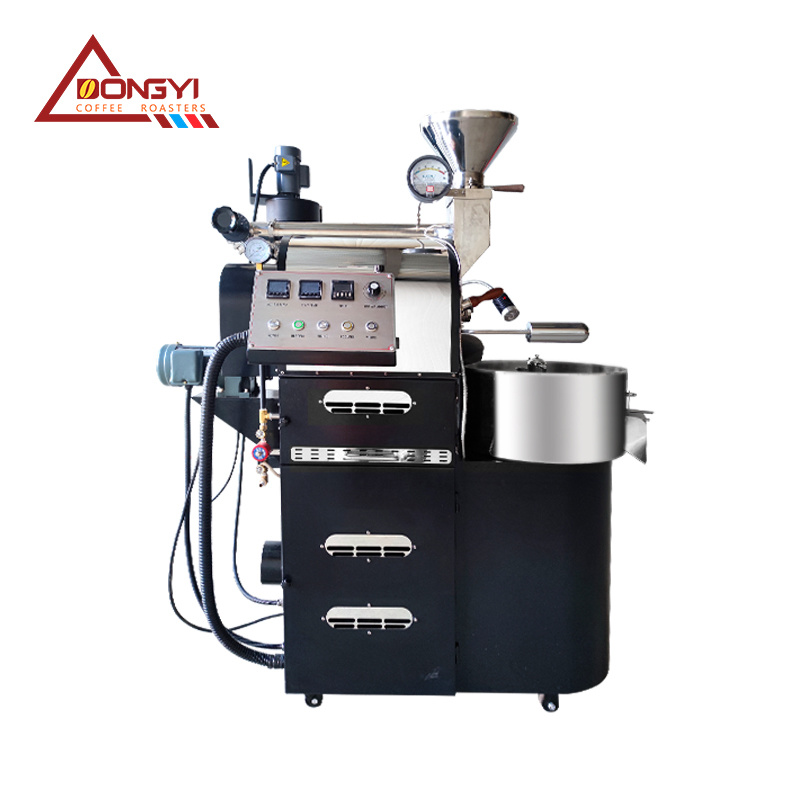
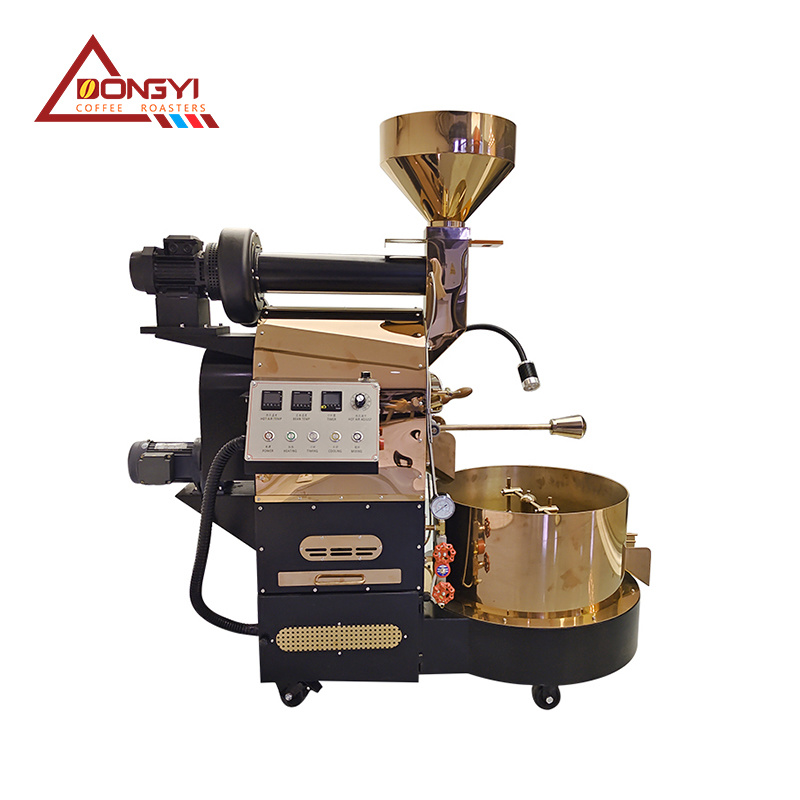
A PLC (Programmable Logic Controller) gas coffee roaster utilizes advanced technology to control the roasting process with precision. By integrating computer software, these roasters allow users to program specific roasting profiles that can be replicated consistently. They provide flexibility and control, making them ideal for both commercial and specialty coffee roasting.
Key Settings for Perfect Roasting
In mastering your PLC gas coffee roaster, there are several key settings to focus on:
- Temperature: This is perhaps the most critical setting influencing flavor development.
- Airflow: Adjusting airflow affects the roast's consistency and can highlight or mute specific flavor notes.
- Time: The duration of the roast is essential for achieving the desired roast level.
Temperature Settings
Temperature control is pivotal in extracting the right flavors from your coffee beans. Typically, the roasting process begins at a lower temperature for drying and gradually increases during the browning phase. We recommend starting your roasts at around 200°C and adjusting based on the specific bean characteristics.
Airflow Control
Airflow impacts heat transfer within the roaster and influences the development of the coffee's flavor. Higher airflow can create a more even roast by allowing hot air to circulate efficiently. Conversely, lower airflow can result in a darker roast with more pronounced caramelization. Experimenting with airflow settings can help find the perfect balance for your beans.
Timing for Optimal Development
The duration of the roast directly correlates with the roast profile. For lighter roasts, a shorter time is required, while darker roasts necessitate longer exposure. We recommend monitoring the first crack closely, as it indicates the transition from a light to a medium roast. Adjusting the timing according to your desired roast profile is essential for perfecting your brew.
Temperature Control in Coffee Roasting
Effective temperature control involves understanding the roasting curve, which represents how temperature changes throughout the roasting process. This curve can be manipulated to achieve various roast levels:
- Light Roast: Maintains a low temperature for a shorter duration.
- Medium Roast: Balances temperature and time.
- Dark Roast: Increases temperature and extends roasting time.
Airflow Management for Consistent Results
Airflow is vital for heat distribution and preventing uneven roasting. Adjusting airflow settings can help achieve consistency across batches. When the airflow is too low, the beans can become baked rather than roasted. When set too high, you risk losing flavor complexity. Regularly calibrating your airflow will lead to more uniform results.
Timing Your Roast: The Right Duration
Perfect timing is critical in coffee roasting. Each coffee bean has its ideal roast time that corresponds to its specific characteristics. As a general guideline, light roasts should take around 10 to 12 minutes, while medium to dark roasts can take anywhere from 12 to 15 minutes. Keeping a close watch on the process will ensure you achieve the desired roast profile.
Troubleshooting Common Roasting Issues
Even with a sophisticated PLC gas coffee roaster, issues can arise. Here are some common problems and their solutions:
- Uneven Roasting: Ensure proper airflow and consider adjusting the drum speed.
- Inconsistent Flavor: Double-check your temperature settings and maintain a consistent roast time.
- Burnt Taste: This could indicate too high a temperature; lower the setting and adjust your timing.
Frequently Asked Questions
1. What is the ideal temperature for roasting coffee?
The ideal temperature can vary based on the roast level desired, but generally, a range of 190°C to 220°C works well for most profiles.
2. How can I adjust my PLC gas coffee roaster settings for different beans?
Different beans may require adjustments in temperature, airflow, and time. Conducting test batches will help identify the best settings for each bean type.
3. What is the first crack in coffee roasting?
The first crack is a critical moment during roasting when the beans expand and make a cracking sound. It typically indicates that the beans are transitioning from light to medium roast.
4. How does altitude affect coffee roasting?
Higher altitudes can lead to denser beans, requiring adjustments in roasting time and temperature to achieve the desired flavor profile.
5. Can I use a PLC gas coffee roaster for home roasting?
Yes, PLC gas coffee roasters are available for home use and provide excellent control for achieving consistent results.
Conclusion
Mastering your PLC gas coffee roaster settings is essential for achieving the perfect roast. By understanding the intricacies of temperature, airflow, and timing, you can create coffee that delights the palate every time. Embrace the experimentation process, learn from each batch, and refine your technique continuously. The journey of perfecting your roast is as rich and rewarding as the coffee itself. Happy roasting!
Recommended

Phone/WhatsApp:
Email:
About Us
We are a real coffee roasting machine manufacturer, providing OEM and ODM services, we have established a series of brands with our own characteristics.
HUATAO GROUP
Leave Message
Expand your business with a trusted partner
SAF Coolest v1.3.1.2 设置面板 GDNSD-ZRUA-MDADE-ZZE
无数据提示
Sorry, the current column is being updated, so stay tuned!