




China BlGGEST coffee roaster manufacter factory, l year exported up 2000sets to 35 world countries.
How to Roast Coffee Like a Pro with an Electric Roasting Machine
Time:
04 Jan,2025
How to Roast Coffee Like a Pro with an Electric Roasting Machine
Table of Contents
1. Introduction to Coffee Roasting
2. Understanding the Electric Roasting Machine
3. Choosing the Right Green Coffee Beans
3.1. Types of Coffee Beans
3.2. Sourcing Quality Beans
4. Preparing for the Roasting Process
4.1. Setting Up Your Roasting Station
4.2. Essential Roasting Tools
5. The Roasting Process Explained
5.1. Different Roasting Levels
5.2. Monitoring the Roast
6. Cooling and Storing Your Roasted Coffee
7. Brewing the Perfect Cup of Coffee
8. Frequently Asked Questions (FAQs)
9. Conclusion
1. Introduction to Coffee Roasting
Roasting coffee is an art and a science. It transforms the green coffee beans into aromatic, flavorful delights that we savor in our daily cups. Understanding the nuances of this process can enhance not only your appreciation for coffee but also your ability to craft exceptional brews. This guide will walk you through how to roast coffee like a professional using an electric roasting machine, making it accessible even for novices.
2. Understanding the Electric Roasting Machine
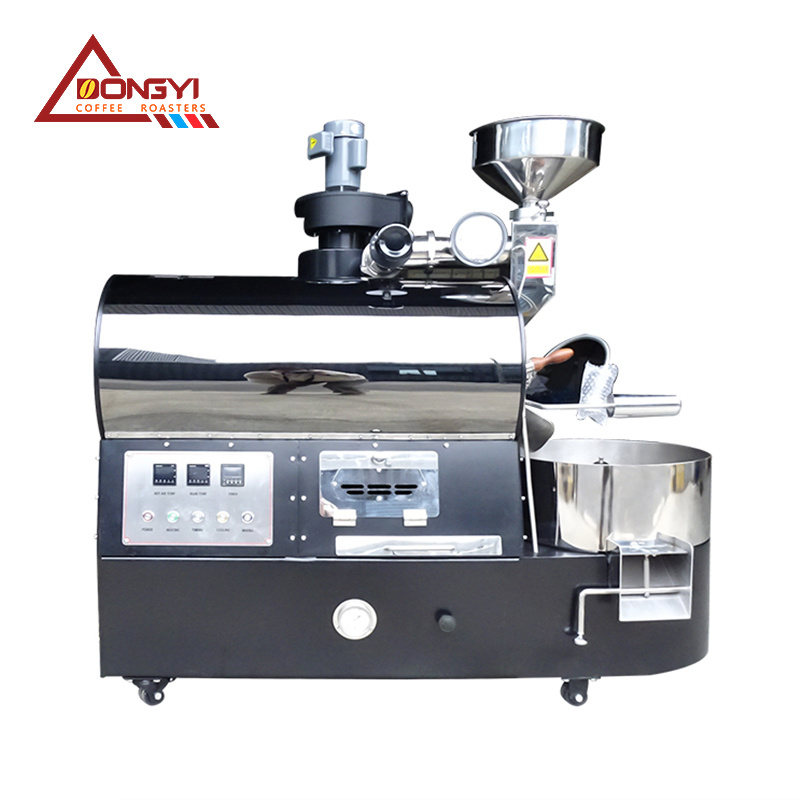
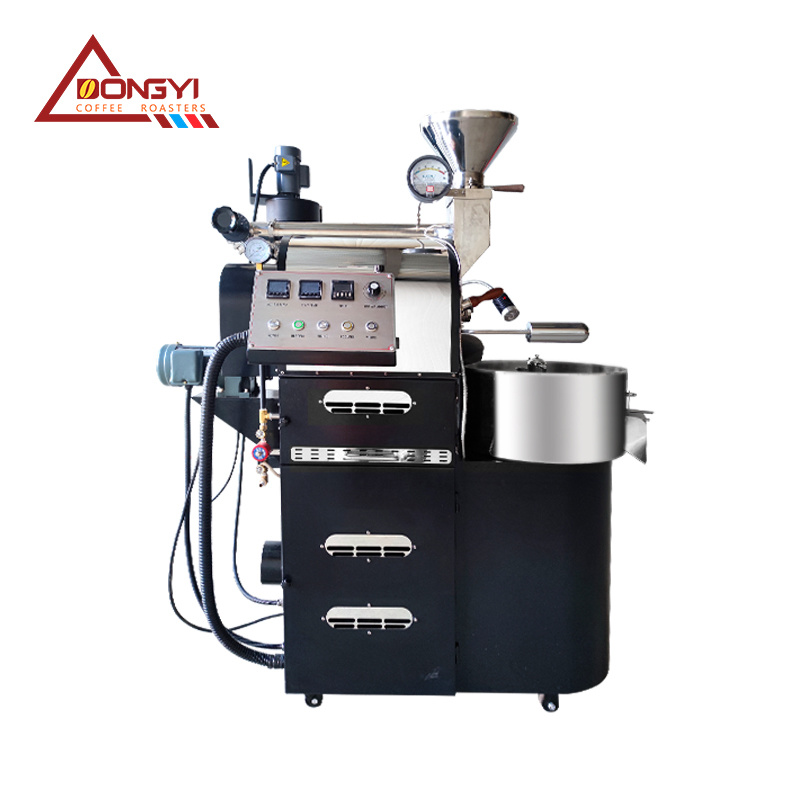
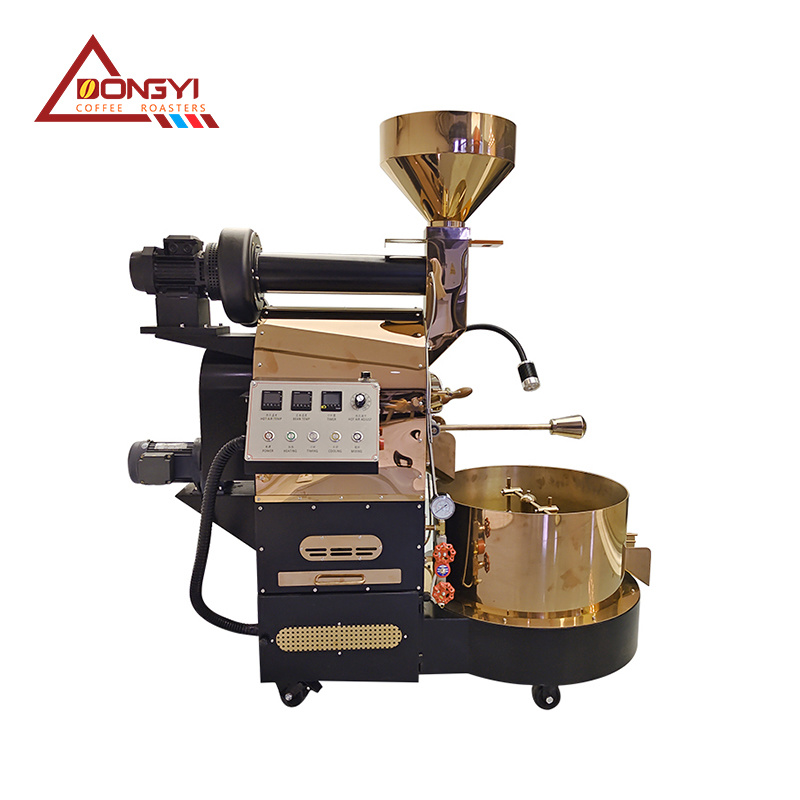
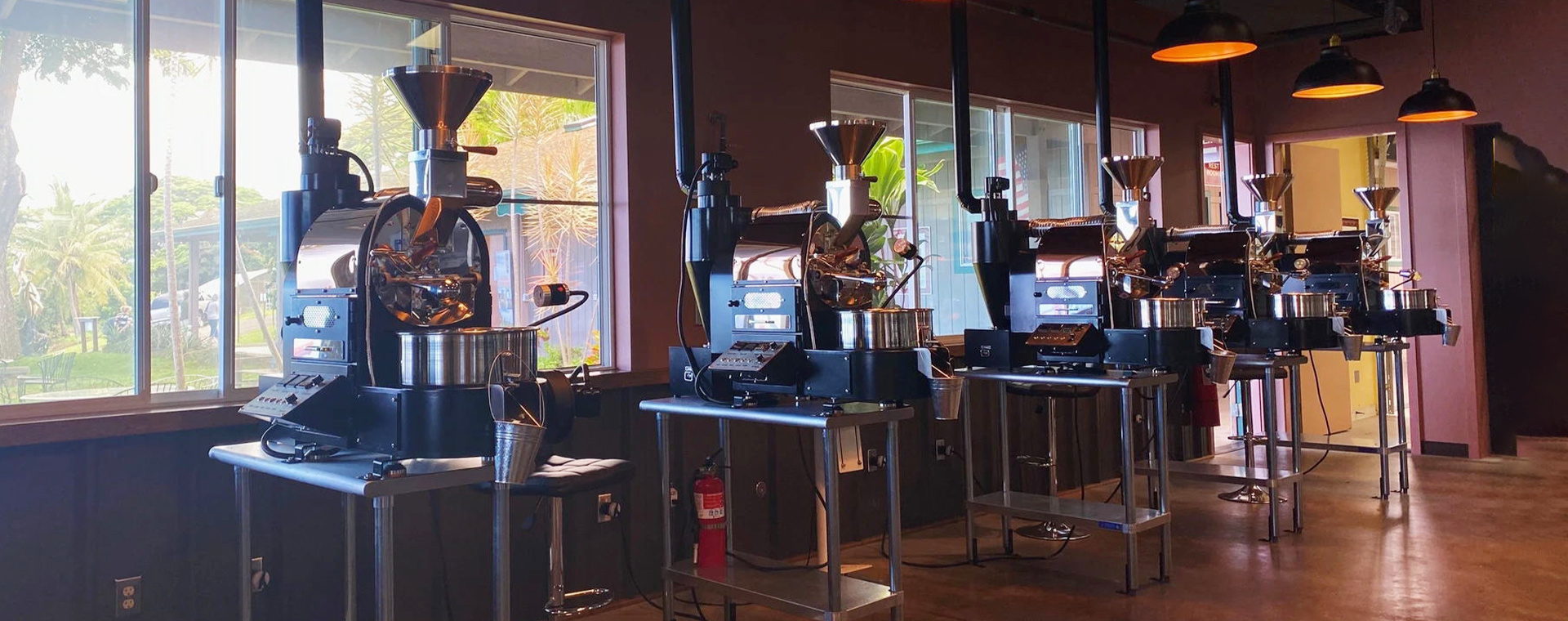
An electric roasting machine provides a controlled environment for roasting coffee beans, allowing you to manage temperature and time more effectively than traditional methods. Unlike pan roasting or using an oven, an electric roaster ensures even heating and reduces the risk of burnt beans.
3. Choosing the Right Green Coffee Beans
The foundation of any great cup of coffee starts with the beans. Here, we will explore the types of coffee beans and how to source the best quality for your home roasting endeavors.
3.1. Types of Coffee Beans
There are two primary types of coffee beans: Arabica and Robusta. Each has distinct flavor profiles:
- **Arabica**: Known for its smooth, nuanced flavors, Arabica beans are often considered superior and tend to have a higher acidity.
- **Robusta**: These beans are stronger and more bitter, making them ideal for espresso blends.
For home roasting, Arabica is usually preferred due to its complex flavor and aroma.
3.2. Sourcing Quality Beans
To roast like a pro, start with high-quality green beans. Look for reputable suppliers who provide detailed information about the beans, including their origin, harvest date, and processing method. Specialty coffee shops often sell green beans, and many online retailers cater specifically to home roasters.
4. Preparing for the Roasting Process
Preparation is key to a successful roasting experience. Here we discuss setting up your roasting station and essential tools you'll need.
4.1. Setting Up Your Roasting Station
Create a designated area for roasting coffee. Ensure good ventilation, as roasting can produce smoke and strong odors. A kitchen with a well-ventilated area is ideal. Keep all necessary tools nearby to streamline the process.
4.2. Essential Roasting Tools
Invest in the following tools to enhance your roasting experience:
- **Electric Roasting Machine**: Choose one based on capacity and features.
- **Digital Scale**: For measuring green coffee beans accurately.
- **Thermometer**: To monitor the roast temperature.
- **Cooling Tray**: To cool beans quickly post-roast.
- **Storage Containers**: For keeping your roasted beans fresh.
5. The Roasting Process Explained
Roasting coffee involves several stages, and understanding each phase is crucial for achieving your desired flavor profile.
5.1. Different Roasting Levels
Roasting levels range from light to dark, each producing varying flavor characteristics:
- **Light Roast**: Retains more of the beans’ original flavor, showcasing fruity and floral notes.
- **Medium Roast**: A balance between acidity and body, with richer flavors.
- **Dark Roast**: Bold and intense flavors dominate, often with chocolate and smoky undertones.
Select the roast level that matches your palate, and adjust your roasting time accordingly.
5.2. Monitoring the Roast
During the roasting process, it’s essential to monitor the beans closely. Listen for the “first crack,” which indicates the beans have reached a light roast. Some prefer to continue roasting until they hear the “second crack” for a darker profile. Keep an eye on the color change of the beans, aiming for consistency.
6. Cooling and Storing Your Roasted Coffee
Once you've completed the roasting process, it’s crucial to cool the beans quickly to halt the cooking process.
Use a cooling tray or spread the beans on a baking sheet. Allow them to cool for around 10-15 minutes before transferring to an airtight container. Proper storage is vital; keep your beans in a cool, dark place to maintain freshness for longer.
7. Brewing the Perfect Cup of Coffee
Now that you have freshly roasted coffee beans, it’s time to brew.
Start by grinding your beans to match your brewing method. For instance, a coarse grind is perfect for French press, while a fine grind is better for espresso. Use clean, filtered water and the right coffee-to-water ratio (generally, 1:15) for optimal flavor extraction.
8. Frequently Asked Questions (FAQs)
1. How long should I roast coffee beans?
The roasting time depends on the desired roast level, typically ranging from 10 to 20 minutes.
2. Can I roast coffee beans in a regular oven?
While possible, it’s not recommended due to uneven heating. An electric roaster offers more control.
3. How do I know when my coffee beans are roasted enough?
Monitor the color change and listen for the first and second crack to gauge the roast level.
4. What is the best way to store roasted coffee?
Use airtight containers stored in a cool, dark place to maintain freshness.
5. Can I roast flavored coffee beans?
Yes, but it’s best to add flavoring post-roast to prevent burning.
9. Conclusion
Roasting coffee like a pro with an electric roasting machine is an rewarding experience that enhances your enjoyment of this beloved beverage. By understanding the fundamentals, from choosing quality beans to mastering the roasting and brewing processes, you can elevate your coffee game to new heights. Enjoy the journey of discovering unique flavors and aromas that only a personalized roast can provide. Happy roasting!
Recommended

Phone/WhatsApp:
Email:
About Us
We are a real coffee roasting machine manufacturer, providing OEM and ODM services, we have established a series of brands with our own characteristics.
HUATAO GROUP
Leave Message
Expand your business with a trusted partner
SAF Coolest v1.3.1.2 设置面板 GDNSD-ZRUA-MDADE-ZZE
违禁词: 第一,最,一流,领先,独一无二,王者,龙头,领导者,极致,
无数据提示
Sorry, the current column is being updated, so stay tuned!