




China BlGGEST coffee roaster manufacter factory, l year exported up 2000sets to 35 world countries.
DIY Coffee Roasting: The Convenience of an Automatic Roaster
Time:
20 Jan,2025
DIY Coffee Roasting: The Convenience of an Automatic Roaster
Table of Contents
- Understanding Coffee Roasting
- Benefits of DIY Coffee Roasting
- Choosing the Right Automatic Roaster
- How to Roast Coffee Beans Using an Automatic Roaster
- Tips for Successful Coffee Roasting
- Common Mistakes to Avoid in Coffee Roasting
- Storing Your Coffee for Maximum Freshness
- Frequently Asked Questions
Understanding Coffee Roasting
Coffee roasting is a transformative process that takes raw green coffee beans and converts them into the aromatic brown beans we are familiar with. This process involves applying heat to the beans, which causes a series of chemical reactions, resulting in the development of flavor, aroma, and color. The roaster’s skill lies in controlling the temperature and time to achieve the desired roast profile, which can range from light to dark.
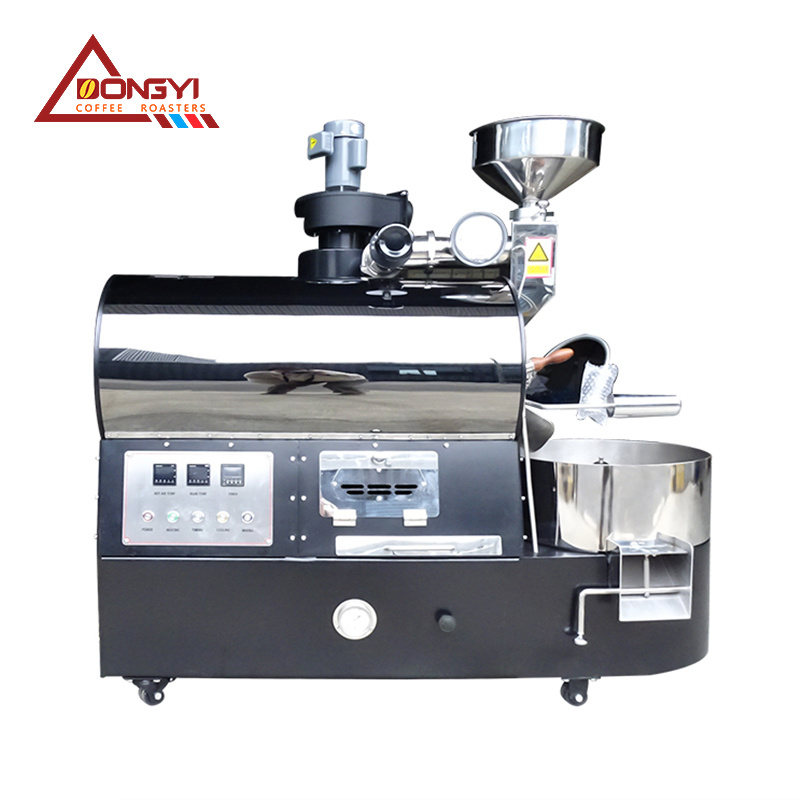
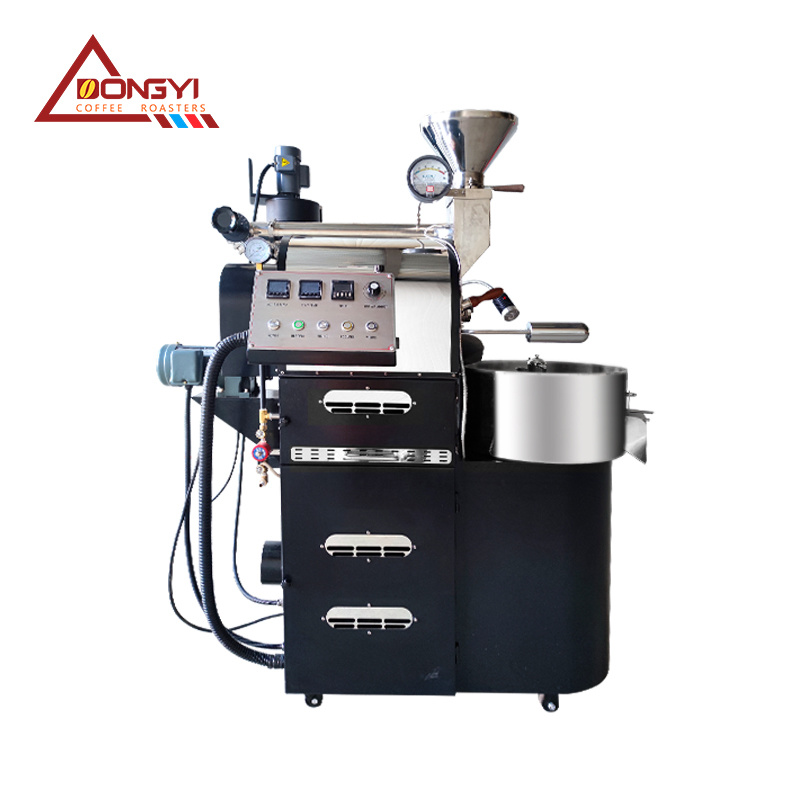
When roasting coffee at home, using an **automatic roaster** simplifies this intricate process. These devices reduce the complexity of traditional roasting methods, allowing even beginners to yield high-quality results. Automatic roasters provide precise temperature control and consistent roasting times, ensuring that every batch of coffee is roasted evenly.
Benefits of DIY Coffee Roasting
Roasting coffee at home offers numerous advantages that enhance your coffee experience. Here are some key benefits to consider:
1. Freshness and Flavor
One of the most compelling reasons to roast your own coffee is the **freshness** of the beans. Coffee begins to lose its flavor shortly after roasting, so having the ability to roast on demand ensures that you are always enjoying the freshest cup.
2. Customization
With DIY coffee roasting, you have full control over the roasting profile. Whether you prefer light, medium, or dark roasts, you can experiment with different roast levels to find your perfect flavor profile.
3. Cost-Effective
Although the initial investment in an automatic roaster may seem high, in the long run, roasting your own coffee can be more economical. Green coffee beans are often much cheaper than their roasted counterparts.
4. Sustainable Practices
By roasting your own beans, you can choose to source ethically produced green coffee, supporting sustainable farming practices and reducing your carbon footprint associated with pre-packaged coffee.
Choosing the Right Automatic Roaster
Selecting the appropriate automatic coffee roaster is crucial to your roasting success. The market offers a variety of models, each with its unique features. Here’s what to consider when making your choice:
1. Capacity
Different roasters have varying capacities, typically ranging from small home models that roast a few ounces to larger units suitable for serious coffee enthusiasts. Consider how much coffee you typically consume.
2. Roast Profile Options
Look for a roaster that provides options for different roast levels. Some models come with pre-set profiles, while others allow complete manual control, catering to both beginners and experienced roasters.
3. Ease of Use
An intuitive interface can make your roasting experience enjoyable. Look for features like programmable settings and easy-to-read displays.
4. Cleaning and Maintenance
Choose a roaster that is easy to clean. Regular maintenance is essential to ensure the longevity of the device and the quality of your coffee.
5. Reviews and Recommendations
Before making a purchase, read reviews from other users. Their insights can help you gauge the durability and performance of the roaster you are considering.
How to Roast Coffee Beans Using an Automatic Roaster
Roasting your coffee beans with an automatic roaster is straightforward and enjoyable. Here’s a step-by-step guide to help you get started:
Step 1: Gather Your Supplies
You'll need your automatic roaster, green coffee beans, a cooling tray, and a storage container for your roasted beans.
Step 2: Measure Your Beans
Measure the amount of green beans based on your roaster's capacity. It’s advisable to start with a smaller batch as you become familiar with the roasting process.
Step 3: Set Your Roaster
Depending on your roaster type, you may have options to set the roast profile. For beginners, selecting a medium roast is often a good starting point.
Step 4: Start Roasting
Add the green beans to the roaster, close the lid, and start the roasting process. Pay attention to the sound and aroma, as these will signal the stages of roasting.
Step 5: Monitor the Roast
Most automatic roasters will alert you when the beans have reached the desired roast level. However, it's essential to monitor the process closely to avoid over-roasting.
Step 6: Cool Your Beans
Once roasting is complete, quickly transfer the beans to a cooling tray. This helps stop the roasting process and maintains the desired roast profile.
Step 7: Store Your Coffee
Allow the beans to degas for about 12-24 hours before storing them in an airtight container. Store them in a cool, dark place to preserve freshness.
Tips for Successful Coffee Roasting
To ensure a rewarding coffee roasting experience, consider these tips:
1. Experiment with Different Beans
Different coffee varieties have unique flavor profiles. Experimenting with various beans can lead you to discover your new favorite blend.
2. Keep a Roasting Journal
Documenting your roasting experiences will help you refine your technique. Note the bean type, roast time, and taste profile to improve future batches.
3. Pay Attention to the Environment
Temperature and humidity can affect the roasting process. Be aware of your surroundings and adjust your settings if necessary.
4. Clean Your Roaster Regularly
Building up residue can affect the flavor of your coffee. Make cleaning your automatic roaster a regular part of your routine.
Common Mistakes to Avoid in Coffee Roasting
Even the most experienced coffee roasters can make mistakes. Here are some common pitfalls to avoid:
1. Overloading the Roaster
Avoid filling the roaster beyond its capacity. This can lead to uneven roasting and affect the overall flavor.
2. Neglecting Cooling
Failing to cool the beans quickly can lead to over-roasting, which diminishes flavor quality. Always cool your beans promptly.
3. Ignoring Bean Quality
Using low-quality green beans can negatively impact the final product. Invest in good quality beans from reputable sources.
Storing Your Coffee for Maximum Freshness
Proper storage is vital for maintaining the freshness of your roasted coffee. Here are some best practices:
1. Use Airtight Containers
Store your coffee beans in airtight containers to keep oxygen at bay, which can cause the beans to go stale.
2. Avoid Sunlight
Light can degrade the quality of your coffee. Choose opaque containers to block out light while storing.
3. Keep in a Cool, Dry Place
Store your beans in a cool, dry environment away from heat sources to prevent deterioration of flavor.
Frequently Asked Questions
1. How long does it take to roast coffee beans?
Roasting time varies depending on the roaster and the desired roast level but generally ranges from 10 to 20 minutes.
2. Can I roast coffee beans in a regular oven?
While it's possible, using an automatic roaster provides more control and consistency compared to a conventional oven.
3. What coffee beans are best for roasting at home?
Single-origin beans and blends from reputable roasters are excellent choices for home roasting.
4. How soon can I brew coffee after roasting?
You should wait about 12-24 hours after roasting to allow the beans to degas before brewing.
5. Is it worth investing in an automatic coffee roaster?
If you value freshness, flavor customization, and the joy of crafting your coffee, investing in an automatic roaster is worthwhile.
Conclusion
DIY coffee roasting is not just a trend; it’s a rewarding craft that brings the joy of coffee to a whole new level. With an **automatic roaster**, anyone can explore the art of roasting with ease and precision. From the benefits of fresh coffee to the ability to customize flavors, the advantages are myriad. By following the steps outlined in this article and avoiding common pitfalls, you can enjoy café-quality coffee right in your home. Remember, the journey of coffee roasting is as enjoyable as the final cup, so embrace the process and start crafting your perfect brew today!
Recommended

Phone/WhatsApp:
Email:
About Us
We are a real coffee roasting machine manufacturer, providing OEM and ODM services, we have established a series of brands with our own characteristics.
HUATAO GROUP
Leave Message
Expand your business with a trusted partner
SAF Coolest v1.3.1.2 设置面板 GDNSD-ZRUA-MDADE-ZZE
违禁词: 第一,最,一流,领先,独一无二,王者,龙头,领导者,极致,
无数据提示
Sorry, the current column is being updated, so stay tuned!