




China BlGGEST coffee roaster manufacter factory, l year exported up 2000sets to 35 world countries.
Coffee Roasting 101: Getting Started with the Master PLC Gas Coffee Roaster
Time:
17 Mar,2025
Coffee Roasting 101: Getting Started with the Master PLC Gas Coffee Roaster
Table of Contents
- 1. Understanding Coffee Roasting
- 2. The Master PLC Gas Coffee Roaster: An Overview
- 3. Choosing the Right Beans for Roasting
- 4. Setting Up the Master PLC Gas Coffee Roaster
- 5. The Roasting Process Explained
- 6. Monitoring the Roast: Key Indicators
- 7. Cooling and Storing Roasted Coffee
- 8. Tips for Successful Coffee Roasting
- 9. Frequently Asked Questions
- 10. Conclusion
1. Understanding Coffee Roasting
Coffee roasting is both an art and a science. It transforms green coffee beans into the richly flavored, aromatic coffee we enjoy. The roasting process brings out the natural oils, sugars, and acids in the beans, creating complex flavor profiles. Understanding the stages of roasting is crucial for any aspiring coffee roaster.
The roasting process begins with the green beans, which are typically dried and have a grassy taste. As they are roasted, the beans undergo several physical and chemical changes, resulting in the characteristic flavors and aromas we associate with coffee. Knowing these stages—first crack, development time, and cooling—will help you master your craft.
2. The Master PLC Gas Coffee Roaster: An Overview
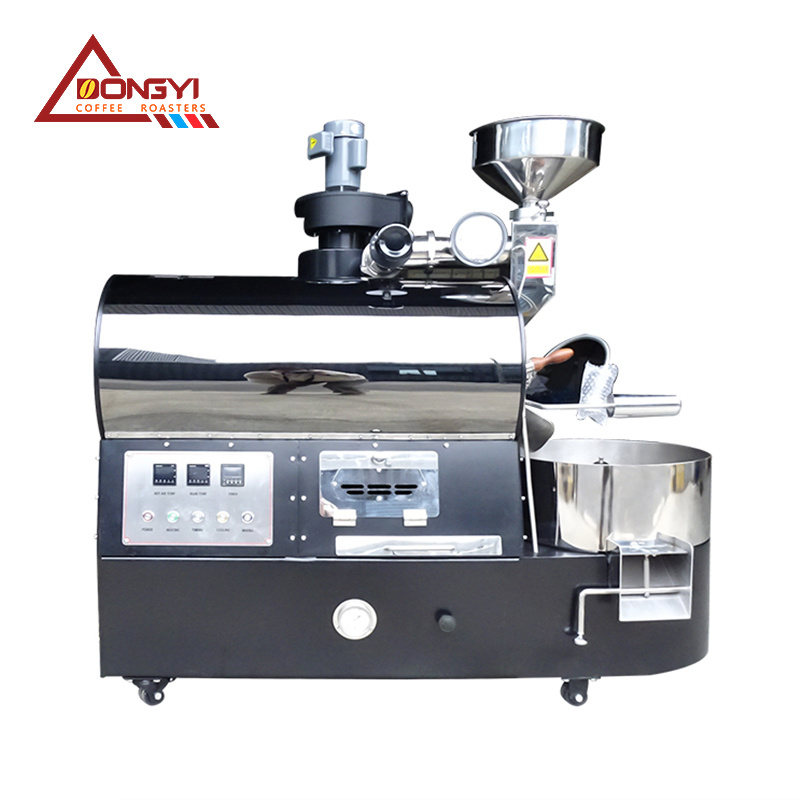
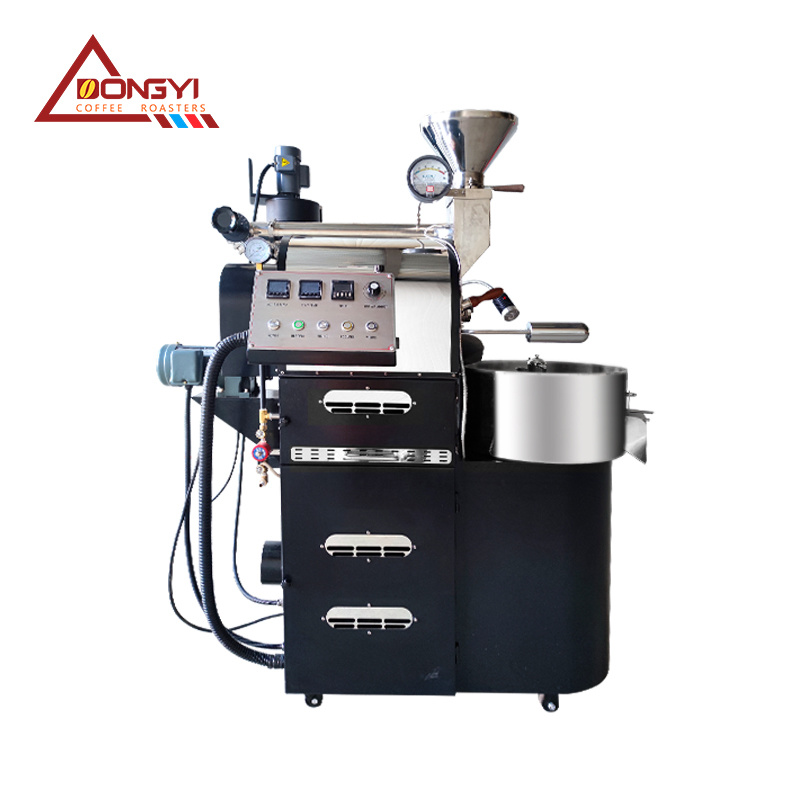
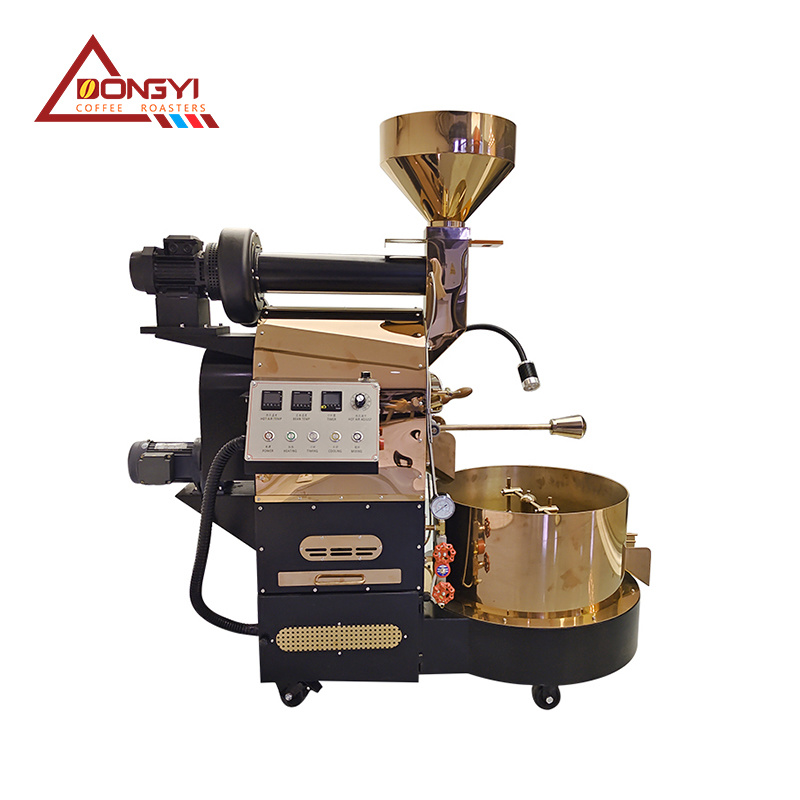
The Master PLC Gas Coffee Roaster is a state-of-the-art machine designed for both beginners and experienced roasters. With its advanced features, it allows for precise control over the roasting process. This machine stands out due to its user-friendly interface, consistent heating, and efficient gas consumption.
Key features include:
- Programmable Controls: Set your desired roast profile and monitor progress via the intuitive PLC interface.
- Gas Efficiency: Designed for optimal performance, the Master PLC minimizes gas usage while maximizing flavor extraction.
- Durability: Built with high-quality materials, this roaster is made to withstand the daily demands of coffee roasting.
3. Choosing the Right Beans for Roasting
The choice of beans is paramount to the quality of your roasted coffee. Different beans offer various flavor profiles, acidity levels, and body characteristics. When selecting beans, consider factors such as origin, processing method, and variety.
Some popular coffee bean types include:
- Arabica: Known for its sweet, complex flavors and higher acidity, Arabica beans are often preferred by gourmet roasters.
- Robusta: These beans have a stronger, bitter flavor and higher caffeine content, making them ideal for espresso blends.
- Single Origin: Sourcing beans from a single geographical area allows for unique tasting experiences reflective of that region.
4. Setting Up the Master PLC Gas Coffee Roaster
Before you start roasting, proper setup of your Master PLC Gas Coffee Roaster is essential. Follow these steps to ensure optimal operation:
- Location: Place the roaster in a well-ventilated area with access to necessary utilities, including gas and electricity.
- Calibration: Calibrate the machine according to the manufacturer's instructions, ensuring accurate temperature readings.
- Safety Checks: Conduct safety checks to ensure all gas connections are secure and there are no leaks.
5. The Roasting Process Explained
The roasting process can be broken down into several key phases:
5.1 Preheating
Preheating the roaster ensures that the beans reach the desired temperature quickly and uniformly.
5.2 First Crack
As the beans heat, they will reach a point known as the first crack. This is when the moisture inside the beans evaporates, causing them to expand and crack. This stage is crucial for developing the roast profile.
5.3 Development Time
After the first crack, the beans enter the development phase where they continue to roast. This stage is vital for developing flavor and aroma.
5.4 Cooling
Once the desired roast level is achieved, the beans must be cooled rapidly to stop the roasting process. Utilize the cooling tray of the Master PLC for efficient cooling.
6. Monitoring the Roast: Key Indicators
Throughout the roasting process, monitoring temperature and time is essential for achieving your desired roast profile. The Master PLC Gas Coffee Roaster allows for real-time monitoring, making it easier to make adjustments as needed.
Key indicators to watch include:
- Temperature: Keep a close eye on the temperature, as this will impact flavor development.
- Color: Observe the changes in color as the beans roast, progressing from green to light brown, and finally to dark brown.
- Sound: Listen for the first and second cracks, as they indicate important stages in roasting.
7. Cooling and Storing Roasted Coffee
Proper cooling and storage of roasted coffee is crucial to maintain freshness and flavor. After roasting, allow the beans to cool in a controlled environment. Once cooled, store them in airtight containers away from light, heat, and moisture.
For optimal freshness, consume the roasted coffee within two weeks. However, beans can be stored longer if kept in ideal conditions.
8. Tips for Successful Coffee Roasting
To enhance your coffee roasting skills, consider these practical tips:
- Experiment with Profiles: Don’t shy away from experimenting with different roast profiles to find your preferred flavor.
- Taste Regularly: Make tasting a regular part of your roasting routine to understand how different variables affect flavor.
- Keep a Roast Log: Document each roast, including bean type, roast time, and flavor notes, to refine your technique over time.
9. Frequently Asked Questions
9.1 What type of coffee beans should I start with?
Begin with high-quality Arabica beans for a smooth flavor profile. As you gain confidence, experiment with blends and single-origin beans.
9.2 How long does it take to roast coffee?
The roasting time can vary based on the desired roast level and the type of beans used, typically ranging from 10 to 20 minutes.
9.3 Can I roast coffee beans indoors?
It is recommended to roast coffee outdoors or in a well-ventilated area to avoid smoke and odors accumulating indoors.
9.4 How do I know when my coffee is done roasting?
Monitor the color and listen for the first and second cracks; these indicators will help you determine when to stop the roasting process.
9.5 What should I do if my roast is uneven?
If your roast is uneven, consider adjusting your temperature settings and ensuring even distribution of beans in the roasting chamber.
10. Conclusion
Mastering the art of coffee roasting with the Master PLC Gas Coffee Roaster involves understanding the intricacies of the roasting process, selecting quality beans, and carefully monitoring each roast. By following this guide and incorporating our tips, you can enhance your skills and enjoy the rich flavors of freshly roasted coffee. Embrace the journey of coffee roasting, and let your creativity shine as you explore the endless possibilities in every batch!
Recommended

Phone/WhatsApp:
Email:
About Us
We are a real coffee roasting machine manufacturer, providing OEM and ODM services, we have established a series of brands with our own characteristics.
HUATAO GROUP
Leave Message
Expand your business with a trusted partner
SAF Coolest v1.3.1.2 设置面板 GDNSD-ZRUA-MDADE-ZZE
无数据提示
Sorry, the current column is being updated, so stay tuned!