




China BlGGEST coffee roaster manufacter factory, l year exported up 2000sets to 35 world countries.
Electric Roasting Machines vs Traditional Methods: Which is Better?
Time:
14 Apr,2025
Electric Roasting Machines vs Traditional Methods: Which is Better?
Introduction to Coffee Roasting
Roasting coffee is both an art and a science. It transforms green coffee beans into the aromatic, flavorful beans we love. As the popularity of coffee continues to surge, the methods of roasting have expanded significantly. Today, we explore the differences between electric roasting machines and traditional roasting methods to help you decide which is the best fit for your needs.
Table of Contents
- Understanding Coffee Roasting
- Traditional Roasting Methods
- Electric Roasting Machines
- Advantages of Electric Roasting Machines
- Disadvantages of Electric Roasting Machines
- Advantages of Traditional Roasting Methods
- Disadvantages of Traditional Roasting Methods
- Factors to Consider When Choosing a Roasting Method
- Conclusion
- FAQs
Understanding Coffee Roasting
Coffee roasting is a critical process that influences the flavor, aroma, and body of coffee. The roasting process involves applying heat to green coffee beans, causing them to undergo a series of chemical reactions. This transformation is essential for developing the unique flavors and characteristics that coffee enthusiasts crave.
The Importance of Roast Levels
Different roast levels—light, medium, and dark—each produce distinct flavor profiles. Light roasts are known for their bright acidity, while medium roasts offer a balanced flavor. Dark roasts, on the other hand, tend to be bold and robust, often showcasing smoky or chocolatey notes. Understanding these roast levels is essential when deciding between electric roasting machines and traditional methods.
Traditional Roasting Methods
Traditional roasting methods have been used for centuries and include techniques such as pan roasting, stovetop roasting, and open-flame roasting. Each method has its unique characteristics and benefits.
Pan Roasting
Pan roasting involves using a heavy pan over a heat source. The beans are stirred frequently to ensure even roasting. This method allows for precise control and can yield excellent results, but it requires constant attention.
Stovetop Roasting
Stovetop roasting is similar to pan roasting but often uses a specific stovetop popcorn popper designed for roasting coffee. This method can produce a uniform roast but may require practice to master.
Open-Flame Roasting
Open-flame roasting is a traditional method that involves directly exposing the beans to a flame. While this technique can create unique flavors, it is challenging to control the roast and requires skill.
Electric Roasting Machines
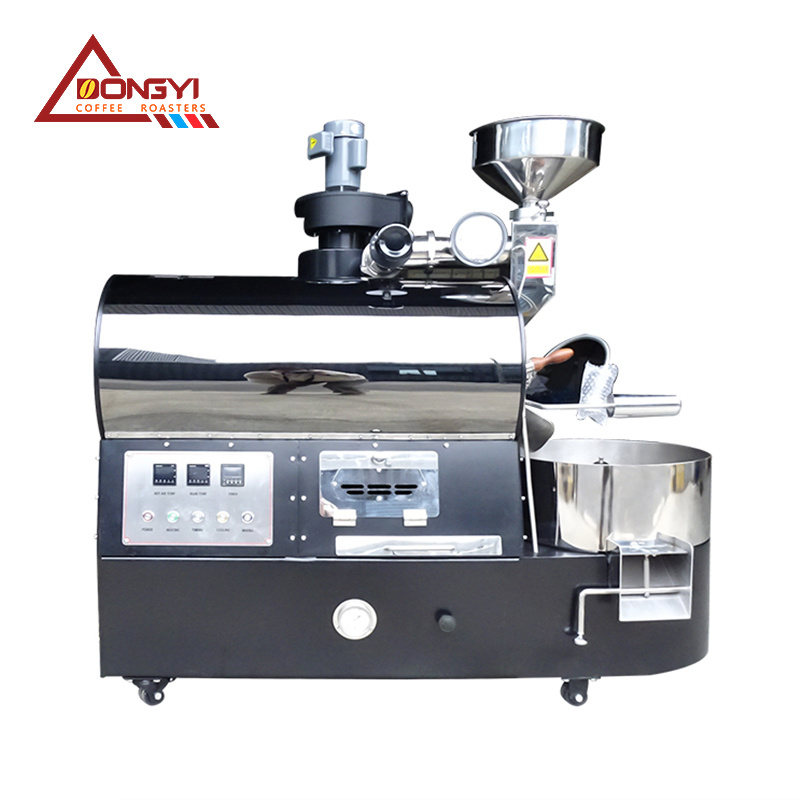
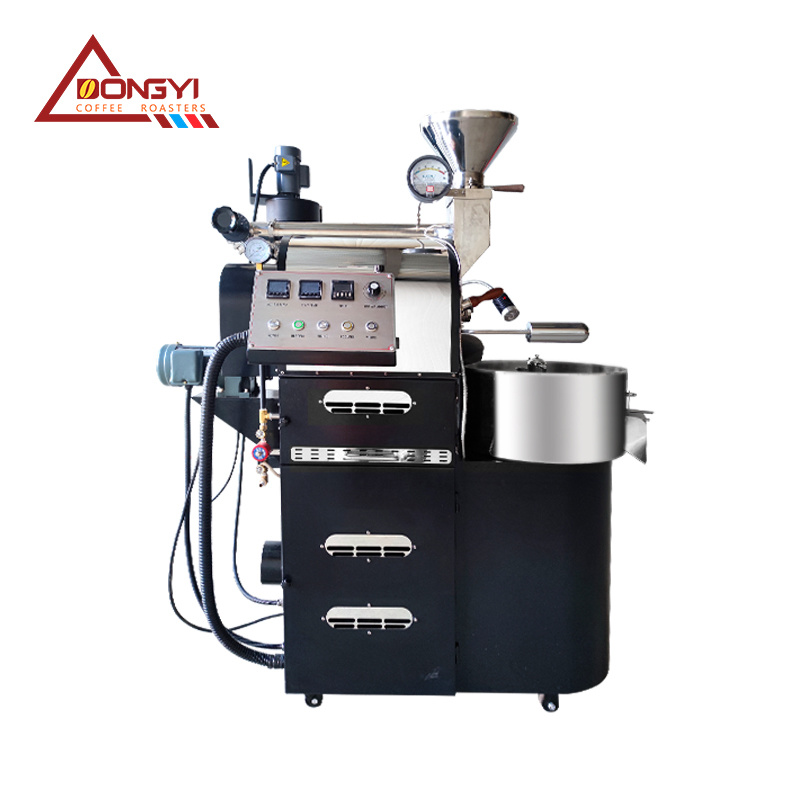
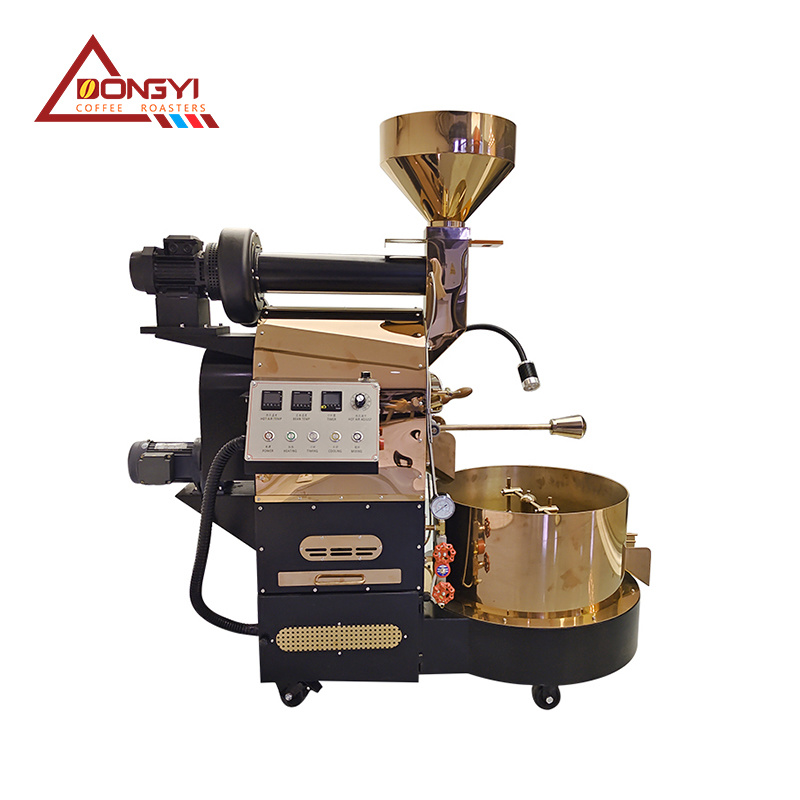
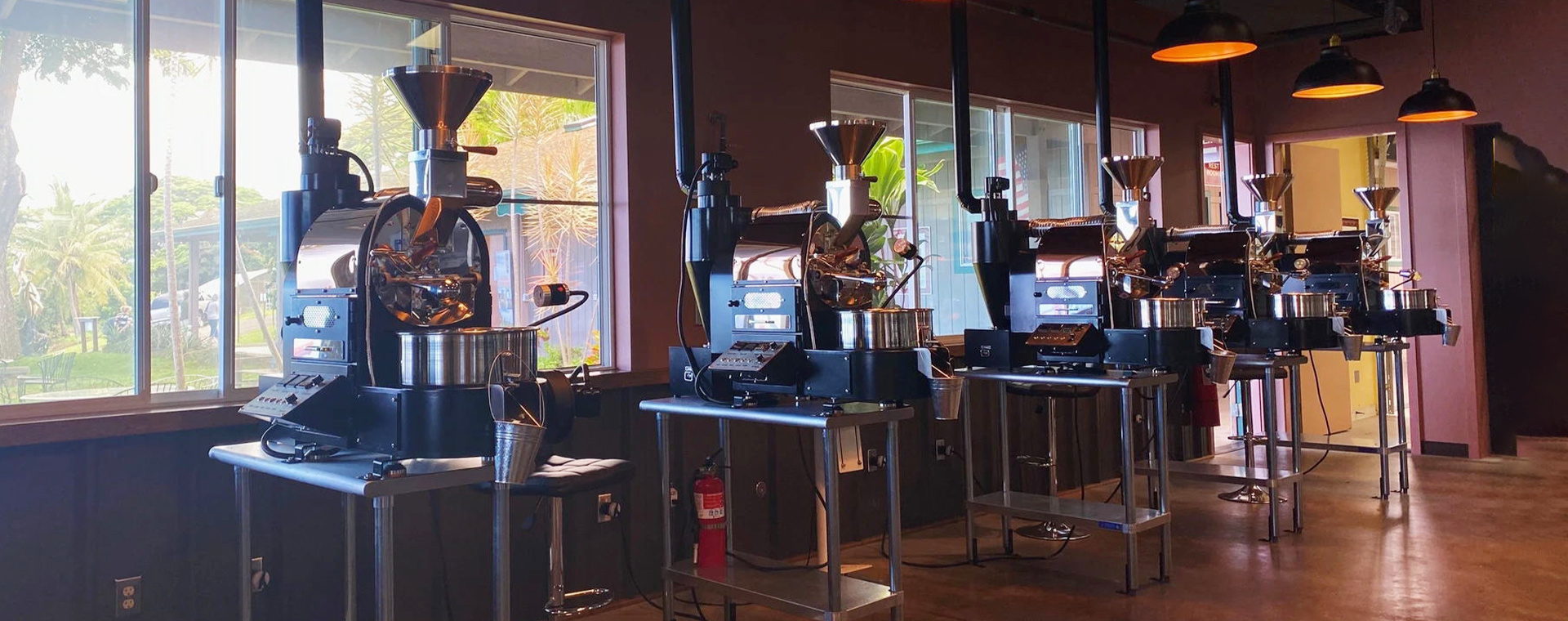
Electric roasting machines have revolutionized the coffee roasting process. These machines automate various aspects of roasting, allowing for greater consistency and control over the roasting profile.
Types of Electric Roasting Machines
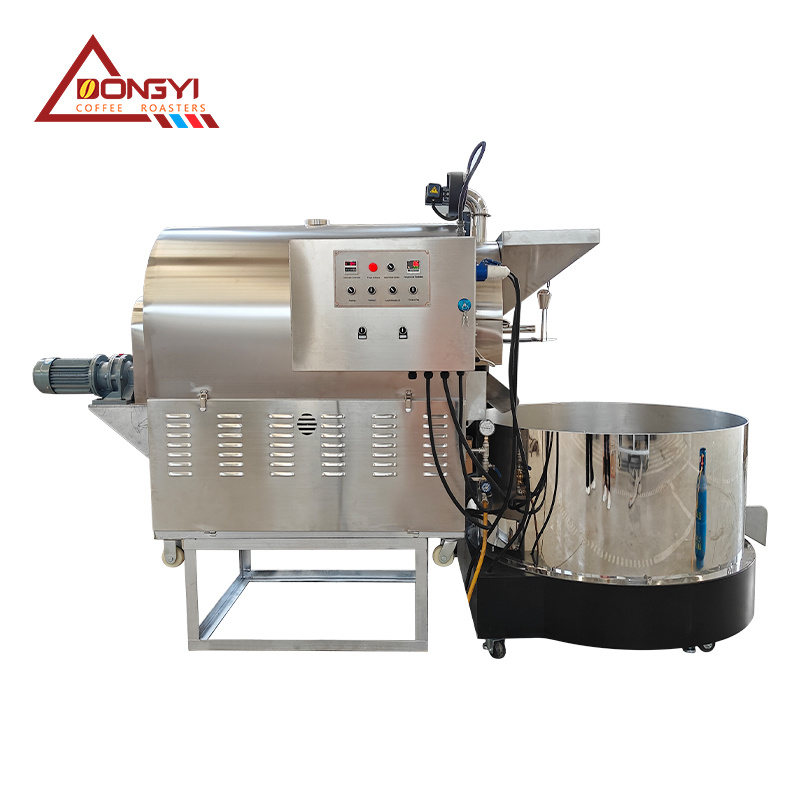
There are several types of electric roasting machines available, ranging from small home roasters to larger commercial models. Home models are typically compact and user-friendly, making them ideal for enthusiasts, while commercial models are designed for high-volume production.
Advantages of Electric Roasting Machines
Electric roasting machines offer several advantages:
Consistency and Precision
One of the most significant benefits of electric roasting machines is their ability to produce consistent results. These machines often come with built-in temperature controls and timers, ensuring that every batch is roasted to perfection.
Ease of Use
Electric roasting machines are generally user-friendly, allowing beginners to get started without extensive knowledge of roasting techniques. Many models also have preset programs for various roast levels.
Time Efficiency
Electric machines can roast coffee beans faster than traditional methods, making them ideal for those who want to enjoy freshly roasted coffee without waiting too long.
Disadvantages of Electric Roasting Machines
While electric roasting machines have many benefits, they also have some drawbacks:
Cost
Electric roasting machines can be more expensive than traditional methods, which may be a barrier for some consumers. Depending on the model, prices can range from a few hundred to several thousand dollars.
Dependence on Electricity
Using an electric roaster means relying on an electrical source. This may not be ideal for those who prefer a more rustic or outdoor roasting experience.
Advantages of Traditional Roasting Methods
Traditional roasting methods also come with their share of advantages:
Flavor Complexity
Many coffee enthusiasts believe that traditional roasting methods can produce more complex flavor profiles. The manual control over the roasting process allows for adjustments based on personal preferences.
Cost-Effectiveness
Traditional methods often require minimal investment. A simple pan or stovetop popper can suffice, making it an accessible option for many.
Disadvantages of Traditional Roasting Methods
Despite their benefits, traditional roasting methods have some limitations:
Inconsistent Results
Achieving consistency with traditional methods can be challenging. Factors such as heat source and stirring technique can significantly affect the final product.
Time-Consuming
Traditional roasting methods often require more time and attention, which may not be feasible for everyone.
Factors to Consider When Choosing a Roasting Method
When deciding between electric roasting machines and traditional methods, several factors should be taken into account:
Your Coffee Preferences
Consider what type of coffee you enjoy. If you appreciate complex flavors and have time to dedicate to the roasting process, traditional methods may be more suitable. On the other hand, if you prefer consistency and convenience, an electric roaster might be the better option.
Budget
Your budget will play a significant role in your decision. Electric roasting machines can represent a significant investment, while traditional methods can be more budget-friendly.
Space and Setup
Evaluate your available space. Electric machines often require a dedicated area, while traditional methods can be done on a stovetop or outdoor grill.
Skill Level
If you're new to coffee roasting, electric machines offer more guidance and can help you learn the process with less risk of error. Traditional methods may require a learning curve.
Conclusion
Ultimately, whether to choose electric roasting machines or traditional methods depends on individual preferences, budget, and lifestyle. Electric roasting machines offer convenience, consistency, and user-friendly features, making them an excellent choice for many coffee enthusiasts. Conversely, traditional roasting methods can provide a more hands-on experience and the opportunity to develop unique flavor profiles.
By weighing the advantages and disadvantages of each method, you can select the one that best suits your needs. Whichever path you choose, the joy of roasting coffee will undoubtedly enhance your coffee experience.
FAQs
1. Can I roast coffee beans at home without a machine?
Yes, you can roast coffee beans at home using traditional methods like pan roasting or stovetop roasting.
2. What is the best roast level for beginners?
Medium roast is often considered the best choice for beginners as it strikes a balance between acidity and body.
3. How long does the roasting process take?
The roasting process typically takes anywhere from 10 to 20 minutes, depending on the method and desired roast level.
4. Do electric roasting machines produce smoke?
Yes, electric roasting machines can produce smoke, especially with darker roasts. Proper ventilation is recommended.
5. Is it worth investing in an electric roasting machine?
If you roast coffee regularly and seek consistent results, investing in an electric roasting machine can be worthwhile.
The choice ultimately depends on your personal preferences and roasting goals. Enjoy your coffee journey!
Recommended

Phone/WhatsApp:
Email:
About Us
We are a real coffee roasting machine manufacturer, providing OEM and ODM services, we have established a series of brands with our own characteristics.
HUATAO GROUP
Leave Message
Expand your business with a trusted partner
SAF Coolest v1.3.1.2 设置面板 GDNSD-ZRUA-MDADE-ZZE
违禁词: 第一,最,一流,领先,独一无二,王者,龙头,领导者,极致,
无数据提示
Sorry, the current column is being updated, so stay tuned!