




China BlGGEST coffee roaster manufacter factory, l year exported up 2000sets to 35 world countries.
From Hobbyist to Artisan: The Journey with a Gas Coffee Roaster
Time:
09 Jun,2025
From Hobbyist to Artisan: The Journey with a Gas Coffee Roaster
Table of Contents
- Understanding Coffee Roasting
- What is a Gas Coffee Roaster?
- Choosing the Right Gas Coffee Roaster for Your Needs
- Essential Accessories and Tools for Coffee Roasting
- The Coffee Roasting Process: Step-by-Step Guide
- Mastering Roasting Techniques for Perfect Flavor
- Tasting and Evaluating Your Roast
- From Hobbyist to Artisan: Elevating Your Craft
- Frequently Asked Questions
Understanding Coffee Roasting
Coffee roasting is the transformative process that turns green coffee beans into the aromatic brown beans that we grind and brew to make our daily cups of coffee. Understanding this process is essential for anyone who wishes to elevate their coffee experience from mere hobbyist enjoyment to true artisan craftsmanship. The journey begins with selecting high-quality green coffee beans, as the quality of the raw material significantly impacts the final flavor profile.
The Science Behind Roasting
The roasting process involves the application of heat, which causes chemical reactions within the coffee beans. As the beans are roasted, they undergo several stages, including drying, browning, and the development of unique flavors. Each stage is characterized by distinct temperature thresholds and time intervals, allowing for a range of flavor profiles and aromas. Understanding these stages is crucial for mastering the art of roasting.
What is a Gas Coffee Roaster?
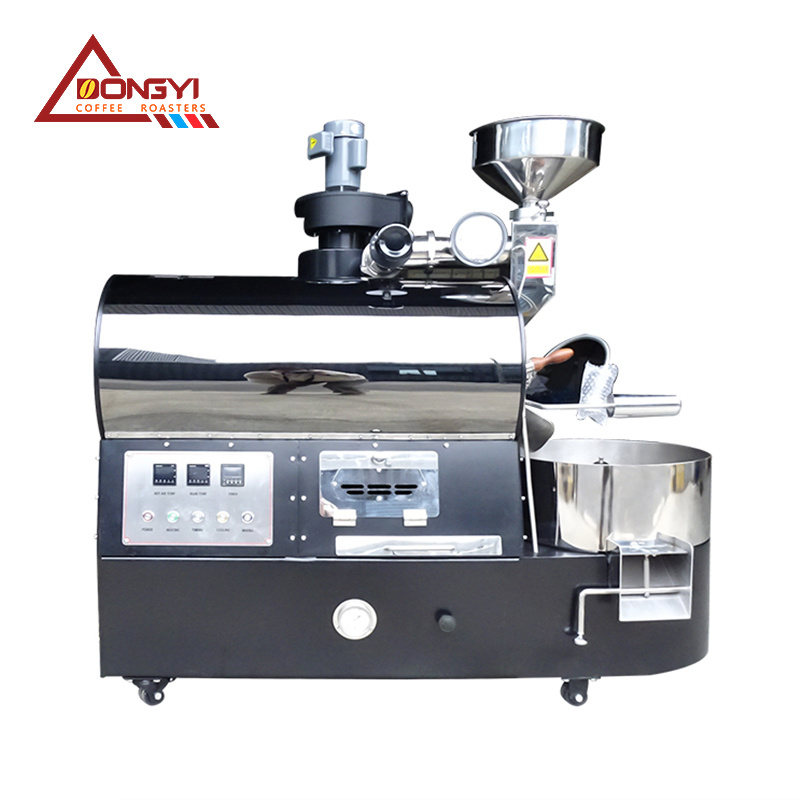
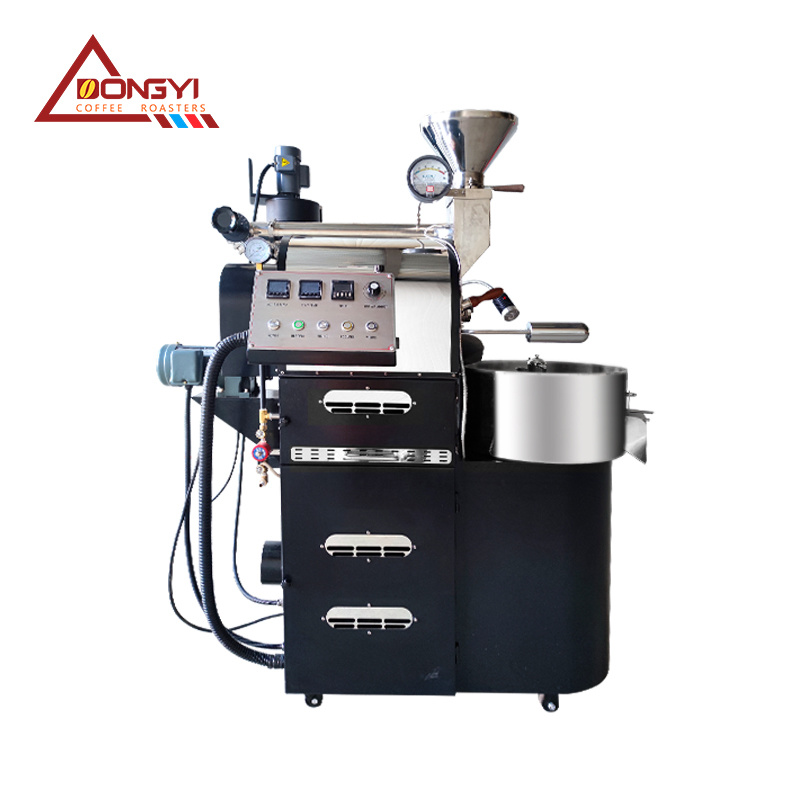
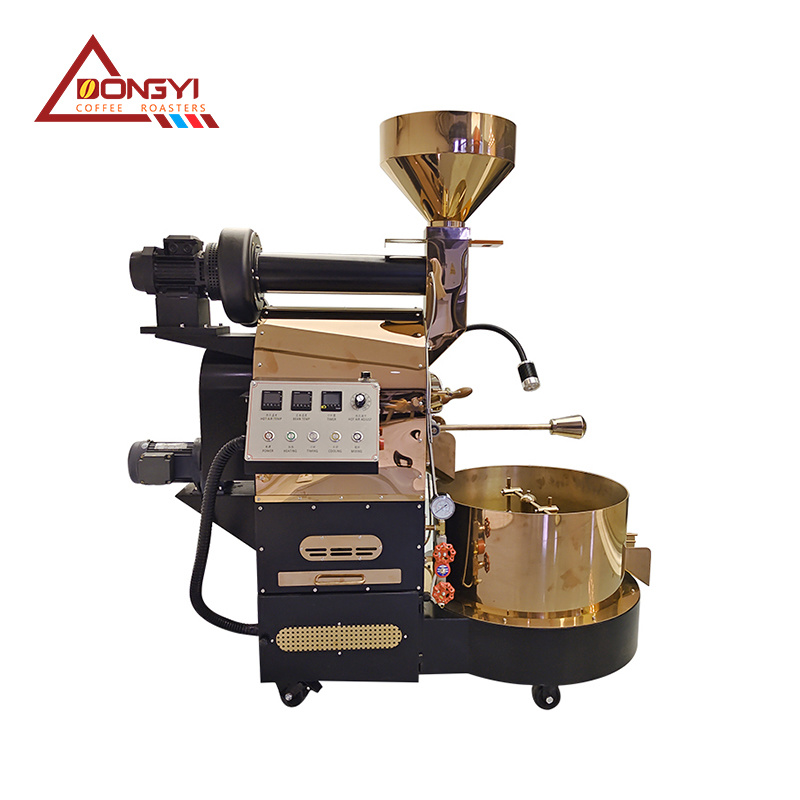
A gas coffee roaster is a device that uses gas (usually propane or natural gas) as a heat source to roast coffee beans. Unlike electric roasters, gas roasters offer precise temperature control and a faster roasting process, making them a popular choice among both hobbyists and professional roasters. The ability to maintain a consistent temperature allows for more accurate roasting, leading to the desired flavors and aromas in the finished coffee.
Advantages of Using a Gas Coffee Roaster
- Speed: Gas roasters heat up quickly and can roast coffee beans in less time than electric counterparts.
- Flavor Control: They provide better control over the roasting temperature, allowing for more customizable flavor profiles.
- Consistency: Gas roasters produce uniform heat distribution, ensuring consistent roasting results.
- Artisan Quality: They are favored by professionals for their ability to produce high-quality, artisanal coffee.
Choosing the Right Gas Coffee Roaster for Your Needs
When selecting a gas coffee roaster, several factors need to be considered to ensure you make the right choice for your specific requirements. Here are key points to keep in mind:
Capacity
Gas coffee roasters come in various sizes, with capacities ranging from small home models to larger commercial units. Consider your roasting volume needs—whether you are roasting for personal use, small gatherings, or for a business. Choosing a suitable capacity will significantly affect your roasting efficiency.
Budget Considerations
Gas coffee roasters can vary widely in price, often reflecting the quality and features of the machine. Setting a budget before exploring options will help narrow down choices and ensure you find a roaster that meets your needs without overspending.
Features to Look For
Look for essential features that enhance your roasting experience, such as:
- Temperature Control: A good gas roaster should have adjustable temperature settings.
- Drum Design: The drum’s material and design affect heat retention and airflow.
- Cooling System: An efficient cooling system will help stop the roasting process quickly, preserving flavors.
- Bean Sight Glass: This feature allows you to monitor the beans during roasting, essential for achieving desired roast levels.
Essential Accessories and Tools for Coffee Roasting
To enhance your gas coffee roasting experience, consider investing in several key accessories that will facilitate the process and improve your overall results.
Roasting Thermometer
A reliable thermometer is crucial for monitoring the temperature during roasting. Some gas roasters come with built-in thermometers, but having an additional one can provide an extra layer of precision.
Scale
A digital scale is essential for accurately measuring the amount of green coffee beans you will roast. Consistency in measurements will lead to more predictable results, helping you refine your technique over time.
Notebook and Tasting Journal
Keeping track of your roasting profiles, temperatures, times, and tasting notes will help you learn and improve. Documenting each roast's details will allow you to replicate successes and learn from less successful attempts.
The Coffee Roasting Process: Step-by-Step Guide
Roasting coffee beans is both an art and a science. Here’s a detailed step-by-step guide to help you through the process:
Step 1: Preparing the Roaster
Before starting, ensure your gas coffee roaster is clean and functioning correctly. Preheat the roaster according to the manufacturer's instructions to achieve the right roasting temperature.
Step 2: Measuring the Beans
Using the scale, measure the desired amount of green coffee beans. A typical batch size might range from 250 grams to 500 grams, depending on your roaster’s capacity.
Step 3: Adding Beans and Starting the Roast
Add the measured green beans to the preheated roaster. Start the roasting process and monitor the temperature closely. Pay attention to the sounds and visual cues from the beans as they begin to roast.
Step 4: Observing the Roast Stages
As the beans roast, they will go through several stages, including:
- First Crack: This audible crack indicates the beans are reaching light roast levels.
- Development Time: After the first crack, you can choose how long to let the beans develop for desired flavor intensity.
- Second Crack: A second crack suggests a darker roast; be cautious, as beans can quickly go from perfect to burnt.
Step 5: Cooling the Beans
Once you reach your desired roast level, quickly cool the beans to stop the roasting process. Most gas roasters have a cooling system; if yours doesn’t, transfer the beans to a colander or cooling tray.
Mastering Roasting Techniques for Perfect Flavor
Becoming an artisan coffee roaster involves more than just following steps; it requires understanding and mastering various techniques.
Adjusting Roast Profiles
Each coffee bean type has its ideal roast profile. Experimenting with time and temperature adjustments will help to uncover unique flavor characteristics from different beans. Keep detailed notes on how each adjustment affects flavor.
Exploring Different Coffee Varietals
Every coffee varietal has distinct flavor notes. Explore single-origin beans to discover the diverse profiles and complexities of coffee. Experimenting with different beans will enhance your skills and broaden your palate.
Tasting and Cupping
To truly appreciate the fruits of your labor, you need to taste your roasts critically. Cupping allows you to evaluate the flavor and aroma of your coffee systematically. It’s a vital step in refining your roasting process.
Tasting and Evaluating Your Roast
After roasting, tasting is an essential part of the journey. It’s not just about enjoying your coffee; it’s about learning and improving.
Conducting a Cupping Session
To conduct a cupping session, use freshly roasted beans, grind them coarsely, and steep them in hot water. After allowing the coffee to steep, evaluate the aromas and flavors, noting distinguishing characteristics. This practice will significantly enhance your understanding of how roast levels affect flavor.
Feedback Loop
Consider sharing your roasts with friends or local coffee enthusiasts for feedback. Constructive criticism can provide insights that may aid in perfecting your technique and achieving artisan-level quality.
From Hobbyist to Artisan: Elevating Your Craft
The journey from hobbyist to artisan coffee roaster is both rewarding and challenging. Continuously strive for improvement, embrace experimentation, and relish the learning process. Attend workshops or join online communities where you can share experiences and gain insights from other coffee roasters. Over time, you will develop not just skills but also a deeper appreciation for the craft of coffee roasting.
Frequently Asked Questions
1. How long does it take to roast coffee using a gas roaster?
The roasting time can vary based on the desired roast level and the type of beans used. Typically, it can range from 10 to 20 minutes.
2. Can I roast coffee indoors using a gas coffee roaster?
It is generally not recommended to roast coffee indoors due to smoke and odors. Roasting should be performed in a well-ventilated area or outdoors.
3. What is the best temperature for roasting coffee?
Roasting temperatures generally range from 370°F to 540°F (188°C to 282°C). The specific temperature depends on the desired roast level.
4. How can I tell if my coffee is roasted correctly?
Evaluating the roast is subjective, but you can gauge it by the color and aroma of the beans, as well as by tasting. Consistent results will come from careful observation and practice.
5. What should I do with the coffee after roasting?
Allow the coffee to rest for 12 to 24 hours after roasting to let the flavors develop. Store it in an airtight container in a cool, dark place to preserve freshness.
Conclusion
The transition from hobbyist to artisan coffee roaster is an exciting journey filled with discovery, experimentation, and mastery of the craft. By understanding the nuances of the roasting process, selecting the right gas coffee roaster, and utilizing essential tools and techniques, you can transform your passion for coffee into a true art form. Embrace the learning curve, keep honing your skills, and enjoy the richer flavors that come from expertly roasted coffee. Your journey is just beginning, and the world of coffee awaits your exploration.
Recommended

Phone/WhatsApp:
Email:
About Us
We are a real coffee roasting machine manufacturer, providing OEM and ODM services, we have established a series of brands with our own characteristics.
HUATAO GROUP
Leave Message
Expand your business with a trusted partner
SAF Coolest v1.3.1.2 设置面板 GDNSD-ZRUA-MDADE-ZZE
无数据提示
Sorry, the current column is being updated, so stay tuned!