




China BlGGEST coffee roaster manufacter factory, l year exported up 2000sets to 35 world countries.
Why a 2.5kg Coffee Roaster is Ideal for Small Cafés and Roasteries
Time:
04 Nov,2025
Why a 2.5kg Coffee Roaster is Ideal for Small Cafés and Roasteries
Table of Contents
- 1. Introduction
- 2. The Importance of Coffee Roasting for Small Businesses
- 3. Benefits of a 2.5kg Coffee Roaster
- 4. Versatility and Ease of Use
- 5. Sustainability Impacts of Coffee Roasting
- 6. Features to Look for in a 2.5kg Coffee Roaster
- 7. Maintenance Tips for Longevity
- 8. Conclusion
- 9. Frequently Asked Questions
1. Introduction
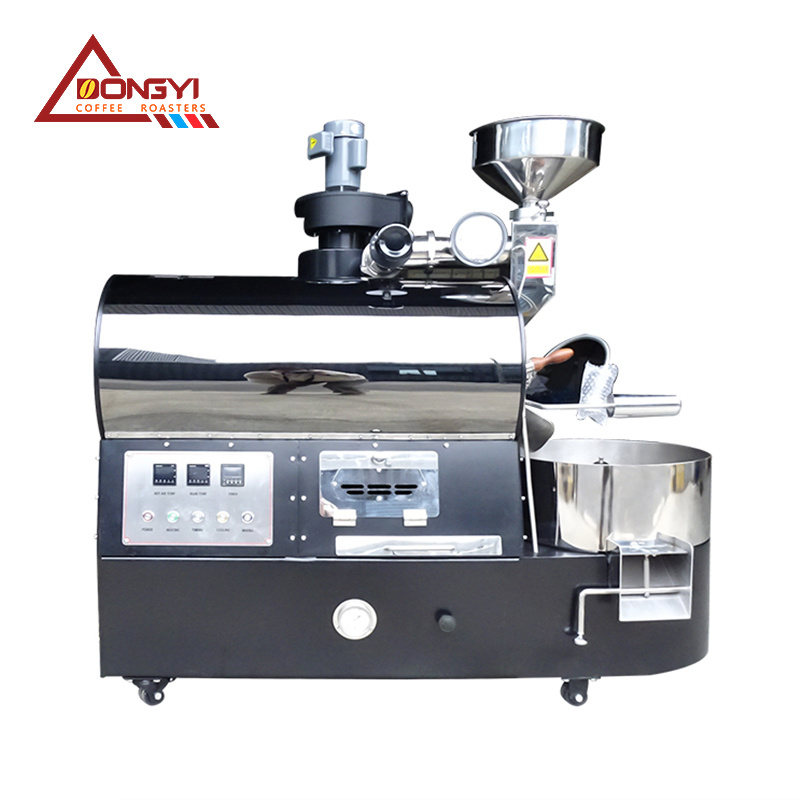
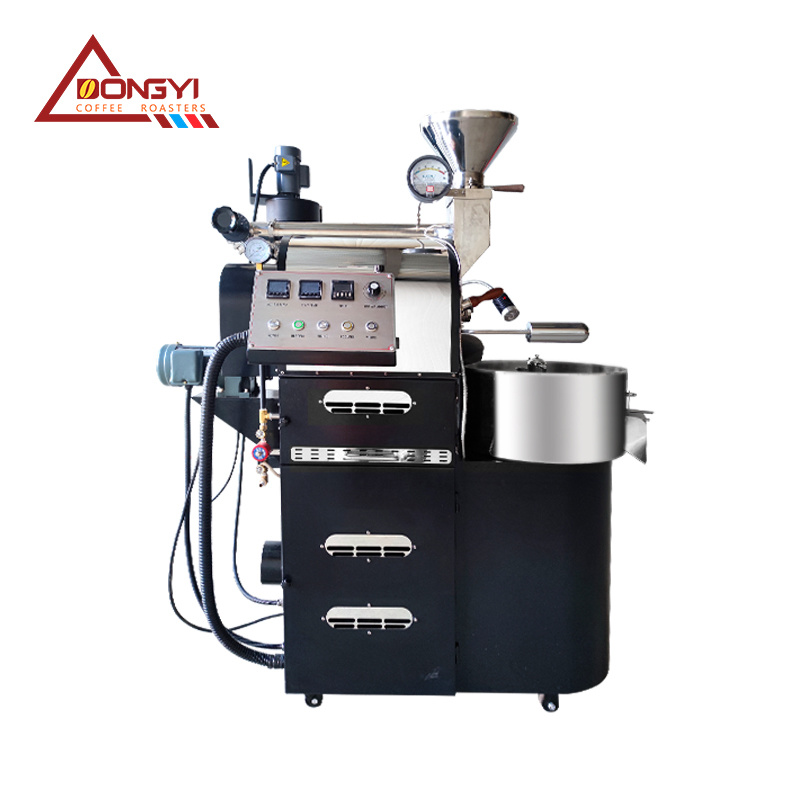
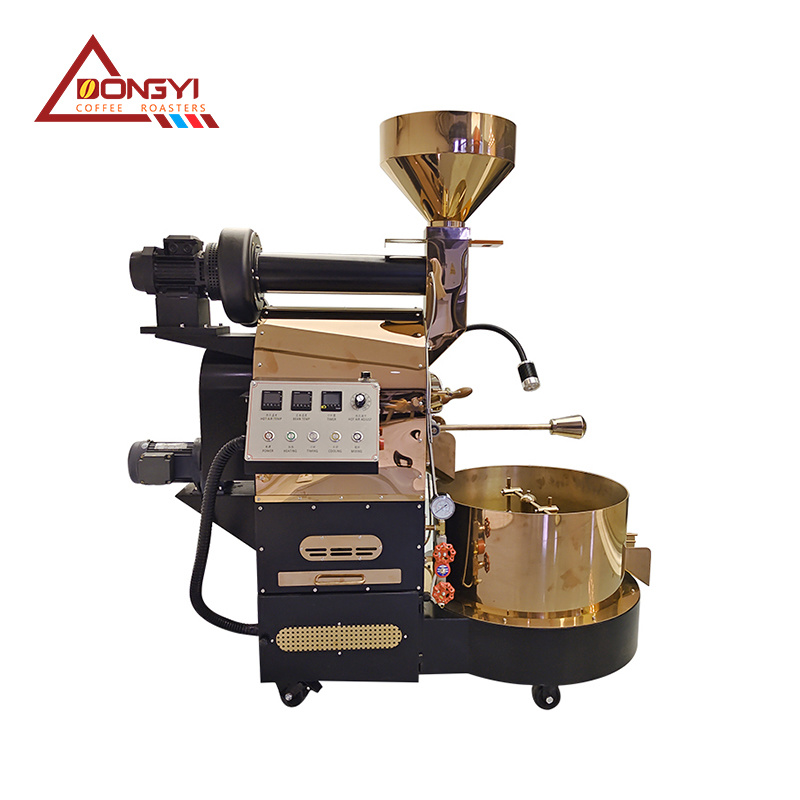
In the booming coffee industry, small cafés and roasteries are constantly in search of equipment that maximizes their potential while maintaining quality. One piece of equipment that stands out in this niche market is the **2.5kg coffee roaster**. Designed to cater to the specific needs of small businesses, this roaster presents a blend of efficiency, quality, and user-friendliness. In this article, we will delve into the reasons why a **2.5kg coffee roaster** is the ideal choice for small cafés and roasteries.
2. The Importance of Coffee Roasting for Small Businesses
Coffee roasting is more than just a culinary process; it is an art that directly influences the taste and aroma of the final brew. For small cafés and roasteries, developing unique flavor profiles is crucial to attracting and retaining customers. With a **2.5kg coffee roaster**, businesses can roast beans in small batches, allowing for experimentation and innovation in flavor development. This personalized approach is vital in today’s competitive market, where consumers seek distinct and high-quality coffee experiences.
3. Benefits of a 2.5kg Coffee Roaster
3.1 Optimal Production Capacity
The **2.5kg capacity** strikes an ideal balance between batch size and flexibility. For small cafés, this size allows for manageable production without overwhelming inventory. It serves as the perfect capacity to test new blends or seasonal offerings while ensuring freshness. Smaller batches mean that the coffee is consumed quickly, providing customers with the freshest product possible.
3.2 Quality Flavor Profiles
One of the primary advantages of a **2.5kg coffee roaster** is the ability to focus on quality. As small businesses often pride themselves on their unique flavors, the precision offered by this equipment allows for meticulous control over roasting parameters such as time, temperature, and airflow. This level of control results in a more refined flavor profile, enabling the roaster to highlight the best attributes of different beans.
3.3 Cost-Effectiveness
Investing in a **2.5kg coffee roaster** can be more cost-effective than larger models, especially for small businesses with limited budgets. The initial investment is lower, and operational costs can be minimized due to energy efficiency. Moreover, by roasting in-house, cafés can reduce their reliance on external suppliers, leading to greater control over product quality and pricing.
4. Versatility and Ease of Use
The **2.5kg coffee roaster** is designed with user-friendliness in mind. Many models come equipped with intuitive interfaces and programmable settings that simplify the roasting process. This versatility is particularly beneficial for small cafés, as staff members can easily learn to operate the equipment, reducing training time and errors. Additionally, the compact size allows for flexible placement options within the café, maximizing space efficiency.
5. Sustainability Impacts of Coffee Roasting
Sustainability is increasingly becoming a priority for consumers, and small cafés that focus on eco-friendly practices can attract a loyal customer base. A **2.5kg coffee roaster** can help businesses adopt sustainable practices by allowing for small-batch roasting using ethically sourced beans. Furthermore, the energy efficiency of smaller roasters contributes to reduced carbon footprints, aligning with the values of environmentally conscious consumers.
6. Features to Look for in a 2.5kg Coffee Roaster
When selecting a **2.5kg coffee roaster**, several features should be prioritized to ensure optimal performance and satisfaction:
1. Control and Monitoring
Look for models that offer real-time monitoring of temperature and roast profiles. This ensures consistency and precision in every batch.
2. Build Quality
Durability is essential. A well-constructed roaster using high-quality materials will withstand the rigors of daily use in a bustling café environment.
3. Versatile Roasting Profiles
Choose a roaster with the capability to save different roasting profiles. This feature allows for consistency when reproducing popular blends.
4. User-Friendly Interface
A straightforward, intuitive interface will make it easier for staff to operate the machine and experiment with different roasting techniques.
5. Energy Efficiency
Opt for energy-efficient models that not only reduce operational costs but also align with sustainability goals.
7. Maintenance Tips for Longevity
To ensure that your **2.5kg coffee roaster** remains in top condition and continues to produce excellent coffee, regular maintenance is key. Here are some essential tips:
1. Regular Cleaning
Clean the roasting chamber and other components after each use to prevent oil buildup and maintain flavor integrity.
2. Monitor Electrical Connections
Check electrical components regularly to ensure they are functioning correctly and safely.
3. Schedule Professional Maintenance
Consider having a professional technician inspect the roaster periodically to identify any potential issues before they become serious problems.
4. Keep Records
Maintain detailed records of roast profiles and maintenance checks. This documentation will help identify trends over time and improve roasting consistency.
8. Conclusion
In the competitive landscape of the coffee industry, a **2.5kg coffee roaster** stands out as an ideal investment for small cafés and roasteries. Its balance of efficiency, quality, and cost-effectiveness makes it a perfect fit for businesses looking to carve out their niche. By focusing on small-batch roasting, cafés can offer unique flavor profiles, enhance customer satisfaction, and promote sustainability—all while maintaining a manageable operation. Choosing the right roaster, coupled with proper maintenance, can lead to a successful and thriving coffee venture.
9. Frequently Asked Questions
1. What is the ideal batch size for a 2.5kg coffee roaster?
The ideal batch size for a 2.5kg coffee roaster is typically around 1 to 2 kg, allowing for optimal roasting and flavor development.
2. How long does it take to roast coffee in a 2.5kg roaster?
Roasting times can vary, but generally, it takes about 10 to 20 minutes, depending on the desired roast level and bean type.
3. Can I use any type of coffee bean in a 2.5kg roaster?
Yes, a 2.5kg coffee roaster can accommodate various types of coffee beans, including Arabica and Robusta, allowing for diverse flavor profiles.
4. What maintenance is required for a coffee roaster?
Regular cleaning, checking electrical connections, and scheduling professional inspections are vital for maintaining a coffee roaster.
5. How can I ensure consistent roasting results?
Keeping detailed records of roasting profiles, monitoring temperature closely, and using programmable settings on the roaster can help achieve consistency in roasting results.
Recommended

Phone/WhatsApp:
Email:
About Us
We are a real coffee roasting machine manufacturer, providing OEM and ODM services, we have established a series of brands with our own characteristics.
HUATAO GROUP
Leave Message
Expand your business with a trusted partner
SAF Coolest v1.3.1.2 设置面板 GDNSD-ZRUA-MDADE-ZZE
违禁词: 第一,最,一流,领先,独一无二,王者,龙头,领导者,极致,
无数据提示
Sorry, the current column is being updated, so stay tuned!