




China BlGGEST coffee roaster manufacter factory, l year exported up 2000sets to 35 world countries.
How a 60kg Coffee Roaster Transforms Bean Quality
Time:
16 Nov,2025
How a 60kg Coffee Roaster Transforms Bean Quality
Table of Contents
- Introduction to Coffee Roasting
- Understanding Coffee Beans and Their Characteristics
- The Role of Roasting in Flavor Development
- What is a 60kg Coffee Roaster?
- How Roasting Affects Bean Quality
- Chemical Changes During Roasting
- The Maillard Reaction Explained
- Caramelization: A Key Flavor Component
- Optimal Roasting Conditions for Quality Beans
- Benefits of Using a 60kg Coffee Roaster
- Conclusion
- FAQs
Introduction to Coffee Roasting
Coffee roasting is both an art and a science, transforming raw green coffee beans into the aromatic, flavorful beverage that millions enjoy daily. The process is crucial in determining the final taste, aroma, and overall quality of the coffee. This article explores how a **60kg coffee roaster** plays a pivotal role in enhancing bean quality, ensuring that coffee enthusiasts receive a consistently delightful experience with every cup.
Understanding Coffee Beans and Their Characteristics
Before delving into the intricacies of roasting, it's vital to understand the coffee beans themselves. Coffee beans are the seeds of the Coffea plant and come in various types, primarily Arabica and Robusta. Each type has distinct characteristics that influence the flavor, acidity, and body of the brewed coffee.
### H3: Types of Coffee Beans
- **Arabica Beans**: Known for their smooth, complex flavors, Arabica beans are generally regarded as the higher-quality option. They tend to have a higher acidity and a range of flavor profiles, including notes of fruit, sugar, and floral undertones.
- **Robusta Beans**: Robusta beans are more bitter and have a stronger, earthier taste. They have higher caffeine content and a lower acidity, making them popular for espresso blends and instant coffee.
### H3: The Importance of Bean Sourcing
The quality of coffee beans significantly impacts the final product. Sourcing high-quality beans from reputable farms ensures that the roasting process enhances their natural flavors rather than masking them. Factors such as altitude, climate, and soil quality contribute to the unique characteristics of the beans.
The Role of Roasting in Flavor Development
Roasting is the process that unlocks the rich flavors and aromas inherent in coffee beans. During roasting, various chemical reactions occur, leading to the development of complex flavors. Understanding these reactions is essential for roasters aiming to achieve the desired taste in their brews.
### H3: The Science Behind Roasting
Roasting coffee involves heating the beans to temperatures ranging from 200°C to over 250°C. As the beans heat, they undergo several phases, each characterized by distinct flavor development.
What is a 60kg Coffee Roaster?
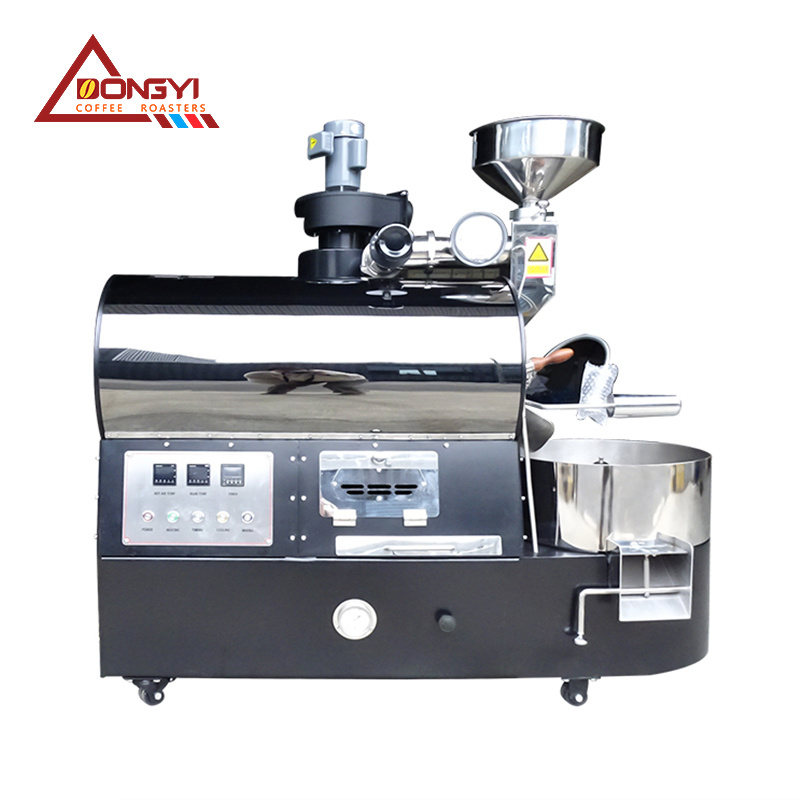
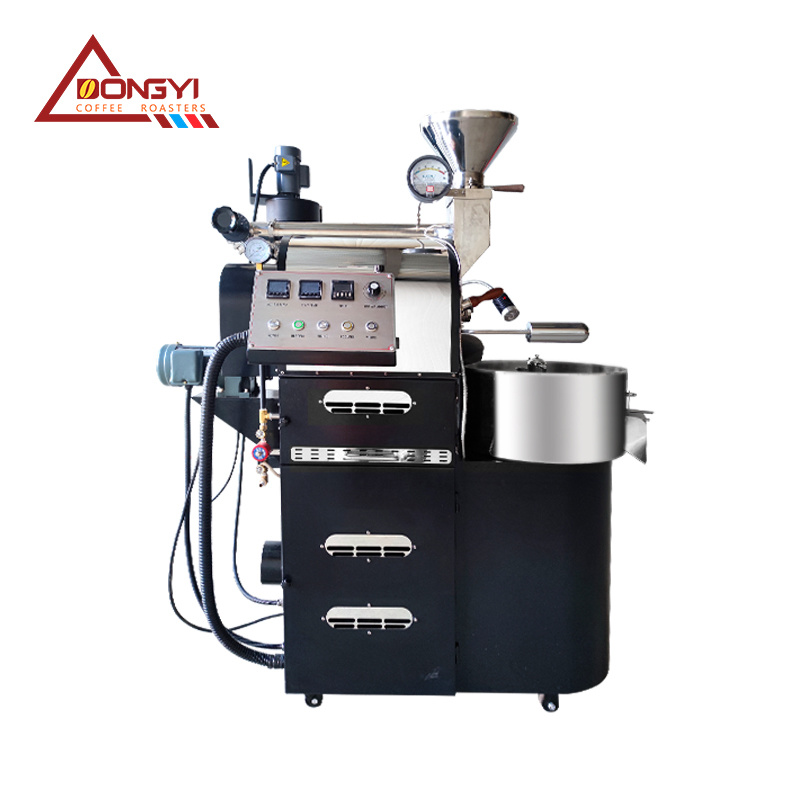
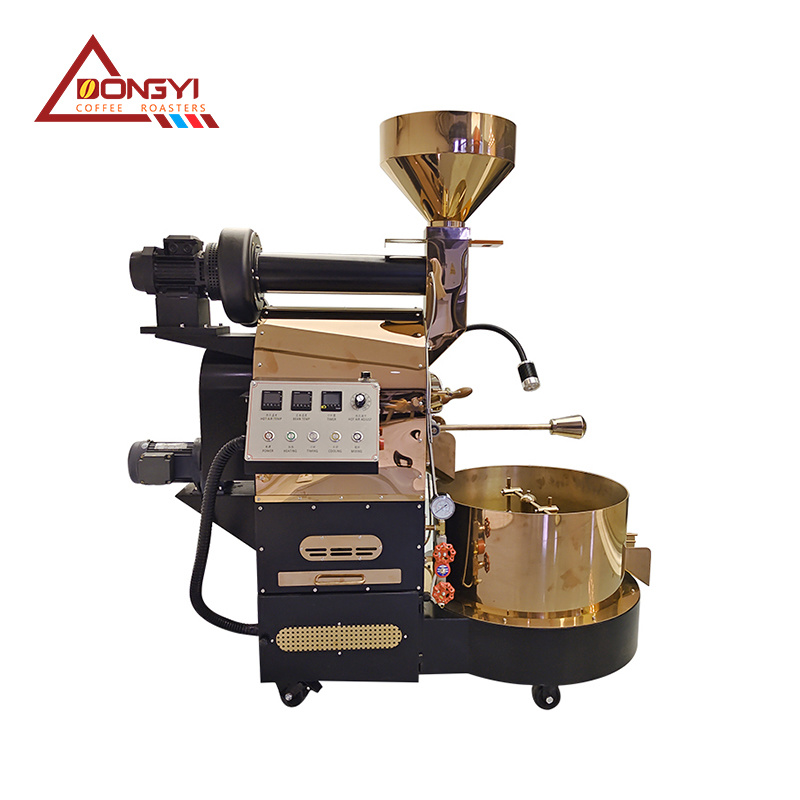
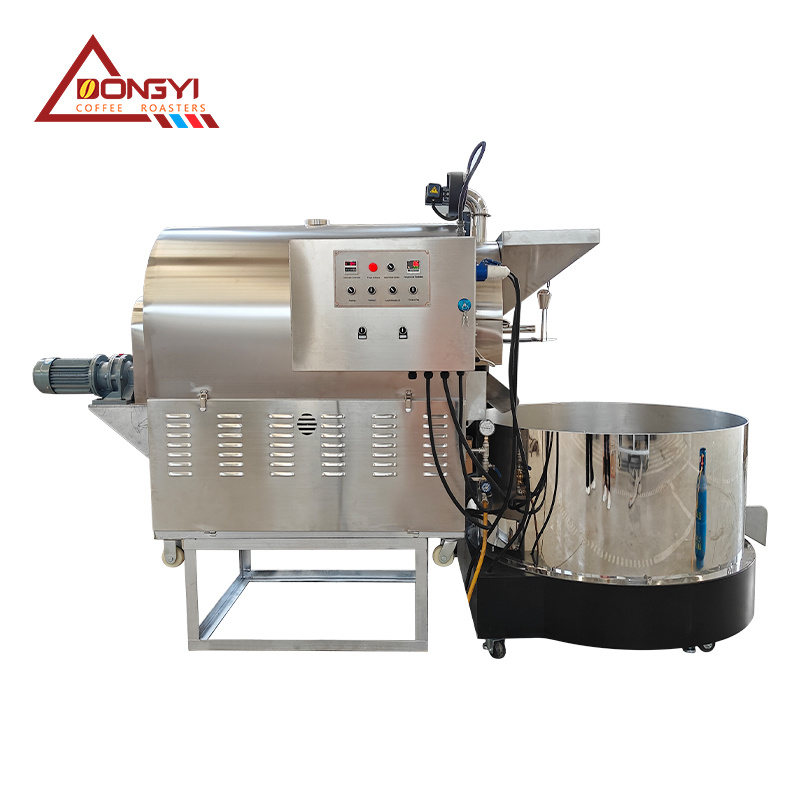
A **60kg coffee roaster** is a commercial-grade machine designed to roast large batches of coffee beans efficiently. The capacity allows for significant production while maintaining quality. These roasters often come equipped with advanced technology to monitor and control various roasting parameters, resulting in a uniform roast.
### H3: Key Features of a 60kg Coffee Roaster
- **Precision Temperature Control**: Ensures even roasting and consistency in flavor.
- **Advanced Airflow Systems**: Aids in controlling the roast profile by regulating airflow during the roasting process.
- **User-Friendly Interfaces**: Modern roasters come with digital displays, allowing operators to monitor and adjust settings easily.
How Roasting Affects Bean Quality
Roasting coffee beans is a transformative process that significantly impacts the quality of the final brew. Understanding how each factor influences bean quality is crucial for achieving the best results.
### H3: Chemical Changes During Roasting
During the roasting process, several chemical reactions occur:
- **Degradation of Chlorogenic Acids**: As beans roast, the levels of chlorogenic acids decrease, affecting acidity and flavor.
- **Development of Aromatic Oils**: These oils are released during roasting, contributing to the coffee's aroma and flavor complexity.
### H3: The Maillard Reaction Explained
The Maillard reaction is a complex series of chemical reactions that occur between amino acids and reducing sugars during roasting. This reaction is responsible for the development of color and flavor in roasted coffee. It begins at around 140-165°C and produces a range of desirable flavors.
### H3: Caramelization: A Key Flavor Component
Caramelization occurs when sugars break down under heat, forming new compounds that contribute to sweetness and depth of flavor. This process typically starts at temperatures above 160°C and is crucial for achieving the right balance of sweetness in the final brew.
Optimal Roasting Conditions for Quality Beans
To maximize the quality of roasted coffee, certain conditions must be met during the roasting process.
### H3: Temperature Control
Precise temperature control is essential. Too high of a temperature can lead to burnt flavors, while too low can result in underdeveloped flavors. A **60kg coffee roaster** allows for consistent heat distribution, ensuring that each batch reaches its optimal temperature.
### H3: Airflow Management
Proper airflow management helps regulate temperature and removes smoke and chaff from the beans. This is critical for preserving flavor integrity and preventing unwanted bitterness.
### H3: Roasting Time: Finding the Balance
Roasting time impacts the final flavor profile. A shorter roasting time may yield a brighter acidity, while a longer roast can bring out deeper, richer flavors. Finding the right balance is key to achieving the desired outcome.
Benefits of Using a 60kg Coffee Roaster
Investing in a **60kg coffee roaster** offers numerous advantages for coffee producers aiming to elevate their bean quality.
### H3: Consistency in Production
The advanced technology in modern roasters ensures that each batch is roasted uniformly, providing consistency in flavor and quality. This reliability is crucial for maintaining brand reputation.
### H3: Increased Efficiency
With the capacity to roast larger quantities, a **60kg coffee roaster** enhances production efficiency, allowing businesses to meet growing demand without compromising quality.
### H3: Enhanced Flavor Profiles
With precise control over roasting parameters, roasters can experiment and refine their techniques, leading to the discovery of unique flavor profiles that differentiate their products in a competitive market.
Conclusion
A **60kg coffee roaster** is a game-changer in the world of coffee production. By understanding the intricacies of the roasting process and leveraging advanced technology, coffee producers can significantly enhance the quality of their beans. From the chemical reactions that occur during roasting to the optimal conditions necessary for achieving the best flavors, this machine empowers roasters to deliver a consistently excellent product. As coffee enthusiasts continue to seek new and exciting experiences, investing in quality roasting equipment will undoubtedly pay off in the long run.
FAQs
### H3: What is the ideal roasting time for coffee beans?
The ideal roasting time varies depending on the desired flavor profile but typically ranges from 10 to 20 minutes.
### H3: How does bean origin affect roasting?
Bean origin significantly influences flavor, acidity, and aroma. Different regions produce beans with unique characteristics that should be considered during roasting.
### H3: Can I use a 60kg roaster for small batches?
While a **60kg coffee roaster** is designed for large batches, it can be used for smaller batches with careful monitoring and adjustments.
### H3: What maintenance is required for a coffee roaster?
Regular cleaning, calibration, and inspection of components such as burners and fans are essential for maintaining optimal performance.
### H3: How can I improve my roasting skills?
Improving roasting skills takes practice. Experimenting with different beans, roast profiles, and techniques while keeping detailed records can help refine your approach.
Recommended

Phone/WhatsApp:
Email:
About Us
We are a real coffee roasting machine manufacturer, providing OEM and ODM services, we have established a series of brands with our own characteristics.
HUATAO GROUP
Leave Message
Expand your business with a trusted partner
SAF Coolest v1.3.1.2 设置面板 GDNSD-ZRUA-MDADE-ZZE
违禁词: 第一,最,一流,领先,独一无二,王者,龙头,领导者,极致,
无数据提示
Sorry, the current column is being updated, so stay tuned!