




China BlGGEST coffee roaster manufacter factory, l year exported up 2000sets to 35 world countries.
Mastering Coffee Flavor Profiles Using a 2.5kg Coffee Roaster: Unlocking the Art of Coffee Roasting
Time:
28 Nov,2025
Mastering Coffee Flavor Profiles Using a 2.5kg Coffee Roaster
Table of Contents
- Introduction to Coffee Roasting
- Understanding Flavor Profiles in Coffee
- The Importance of a 2.5kg Coffee Roaster
- Key Factors Affecting Coffee Flavor
- Step-by-Step Guide to Roasting Coffee
- Techniques for Enhancing Flavor Profiles
- Common Mistakes to Avoid in Coffee Roasting
- Frequently Asked Questions
- Conclusion: Perfecting Your Coffee Roasting Skills
Introduction to Coffee Roasting
Coffee roasting is an art that blends science and creativity, allowing coffee enthusiasts to transform green coffee beans into aromatic masterpieces. The process of roasting plays a pivotal role in defining the flavor and aroma of coffee. With the rise of home brewing and specialty coffee shops, mastering the nuances of coffee roasting has never been more essential. This article will guide you through the journey of mastering coffee flavor profiles using a 2.5kg coffee roaster, shedding light on techniques, factors, and insights that will enhance your roasting skills.
Understanding Flavor Profiles in Coffee
To master coffee roasting, one must first understand the concept of flavor profiles. A flavor profile encompasses the various tastes and aromas that emerge from coffee beans during the roasting process. These profiles can range from floral and fruity to nutty and chocolaty, influenced by the origin of the beans, the roasting method, and the roast level.
The Role of Coffee Bean Origin
The origin of coffee beans significantly affects their flavor profile. Beans from different regions exhibit unique characteristics. For example, Ethiopian coffees often have floral and fruity notes, while Brazilian coffees may lean towards nutty and chocolatey flavors. Understanding these regional differences helps roasters select the right beans for their desired flavor profile.
Roast Levels and Their Impact
The roast level, which ranges from light to dark, also determines the flavor profile. Light roasts tend to preserve the original characteristics of the beans, showcasing bright acidity and fruity notes. Conversely, dark roasts often result in a bolder flavor, with more pronounced chocolate and smoky notes. Knowing how to control roast levels is crucial for achieving the desired flavor outcome.
The Importance of a 2.5kg Coffee Roaster
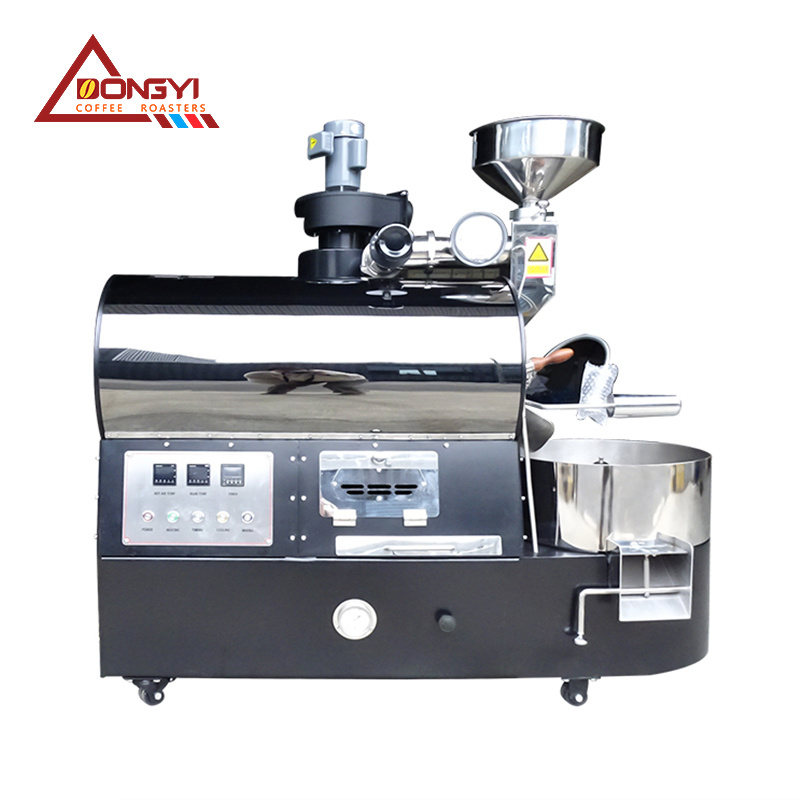
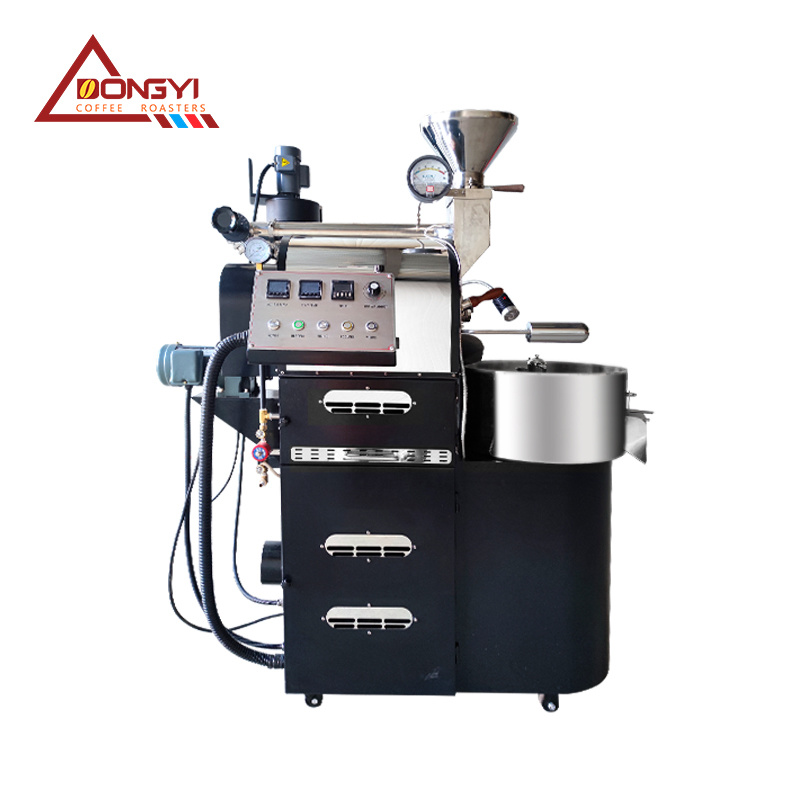
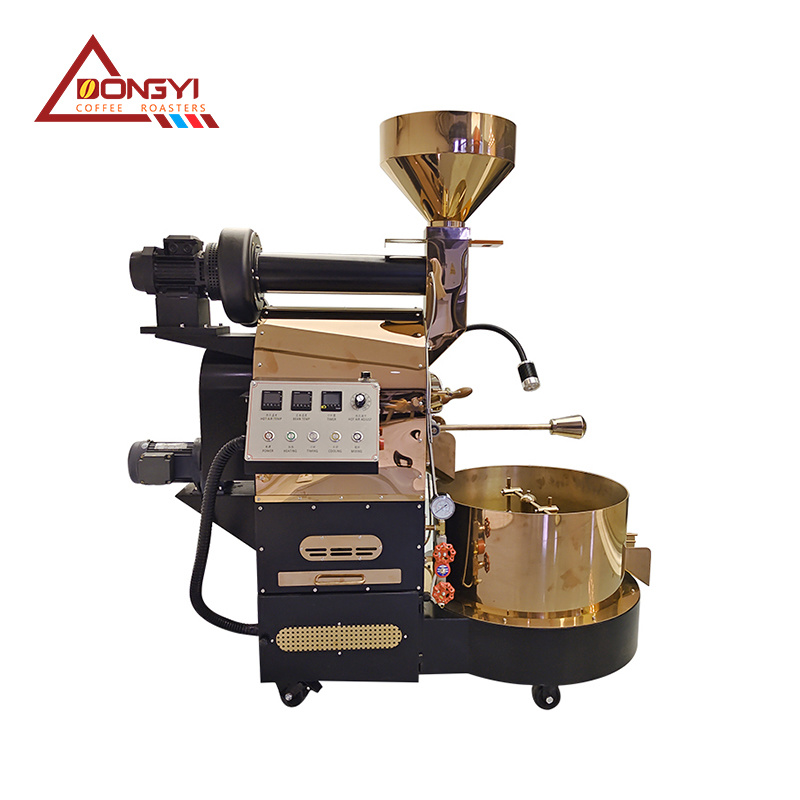
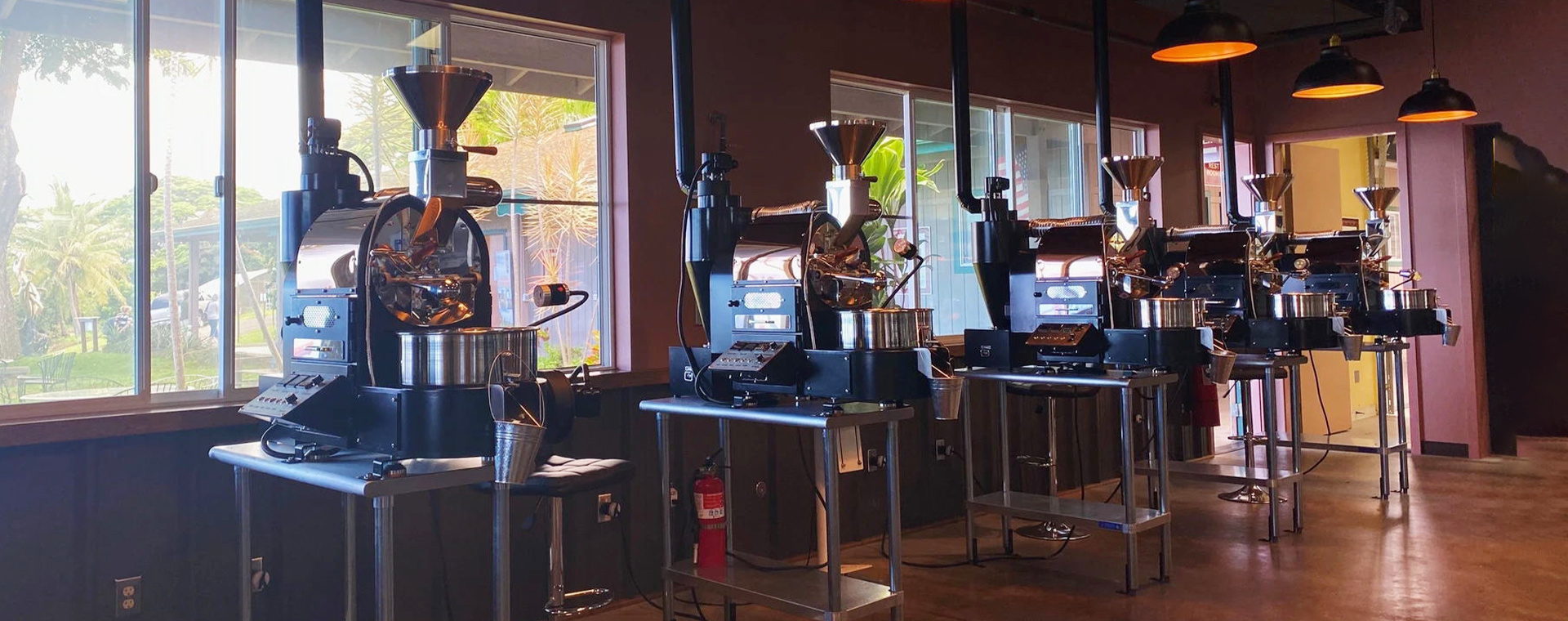
A 2.5kg coffee roaster serves as an ideal choice for both home enthusiasts and small-scale coffee businesses. This size strikes a balance between capacity and control, allowing for precise adjustments throughout the roasting process. The craftsmanship and technology integrated into a 2.5kg roaster enable users to experiment with various roasting profiles, ensuring consistency and quality in every batch.
Benefits of Using a 2.5kg Roaster
- Versatility: Ideal for different roast levels and flavor profiles.
- Control: Offers precise temperature and airflow adjustments.
- Batch Size: Perfect for small-scale roasting, allowing for experimentation without overwhelming quantities.
Key Factors Affecting Coffee Flavor
Several factors contribute to the flavor profile of roasted coffee, and understanding these elements can enhance your roasting process:
1. Bean Quality
The quality of green coffee beans is paramount. High-quality beans sourced from reputable suppliers will yield better flavors post-roasting. Always choose beans that have been harvested and processed under optimal conditions.
2. Roasting Time
Roasting time is crucial to developing flavor. Longer roasting times can lead to caramelization of sugars, enhancing sweetness, while shorter times may preserve acidity and brightness. Monitoring the roasting time closely will allow you to achieve the desired flavor profile.
3. Airflow and Temperature
Airflow and temperature settings in the roaster impact how heat is applied to the beans. Adjusting these factors can enhance or mute specific flavor notes, allowing for customization of the roasting profile.
Step-by-Step Guide to Roasting Coffee
Mastering the roasting process is fundamental to achieving distinct flavor profiles. Here’s a step-by-step guide to roasting coffee using a 2.5kg coffee roaster:
Step 1: Choose Your Beans
Select high-quality green coffee beans that suit your desired flavor profile. Consider the origin, variety, and processing methods.
Step 2: Preheat the Roaster
Before adding the beans, preheat your 2.5kg roaster to the recommended temperature for your chosen roast level. This ensures even roasting from the start.
Step 3: Add the Beans
Once the roaster is preheated, add the desired quantity of beans. Monitor the timer and temperature closely at this stage.
Step 4: Monitor the Roast
Pay attention to the changes in color, aroma, and sound as the beans roast. Listen for the first and second cracks, as these indicate key stages in the roasting process.
Step 5: Cool the Beans
Once you reach your desired roast level, quickly cool the beans to stop the roasting process. This can be done using a cooling tray or a cold air blast.
Step 6: Rest the Beans
Allow the roasted beans to rest for 24 to 48 hours. This resting period lets the flavors develop and stabilize, enhancing the final brew.
Techniques for Enhancing Flavor Profiles
Various techniques can be employed to enhance the flavor profiles of your roasted coffee:
1. Experiment with Roast Profiles
Experimenting with different roast profiles can reveal unique flavor attributes. Adjust variables such as time and temperature to discover new dimensions in your coffee.
2. Utilize Different Brewing Methods
The brewing method greatly impacts the final flavor of the coffee. Try using pour-over, French press, or espresso to discern how each method extracts different flavor notes.
3. Blend Different Beans
Creating coffee blends from different origins can produce complex flavor profiles. Experiment with various combinations to find the perfect balance.
Common Mistakes to Avoid in Coffee Roasting
Even seasoned roasters can fall prey to common mistakes. Here are some pitfalls to avoid:
1. Ignoring Roasting Times
Not monitoring roasting times can lead to over or under-roasted beans, affecting the final flavor. Always keep a close eye on the clock.
2. Using Low-Quality Beans
Starting with low-quality beans will inevitably yield inferior results. Invest in high-quality green coffee to ensure the best outcome.
3. Neglecting Equipment Maintenance
Regular maintenance of your 2.5kg coffee roaster is essential for consistent performance. Clean the machine regularly to avoid buildup that can affect flavor.
Frequently Asked Questions
1. How long should I roast coffee beans in a 2.5kg roaster?
Roasting times can vary based on the desired roast level, but generally, it ranges from 10 to 20 minutes. Always monitor the beans closely.
2. What temperature should I set my roaster to for a light roast?
For a light roast, aim for a temperature between 380°F (193°C) and 400°F (204°C).
3. Can I roast flavored coffee in a 2.5kg roaster?
Yes, you can roast flavored coffee, but it’s best to add flavorings after the roasting process to ensure even flavor distribution.
4. How can I tell when my coffee is roasted enough?
Listen for the first and second cracks and observe the color changes. A well-roasted bean should have an even color and a pleasant aroma.
5. Is it necessary to rest roasted coffee beans?
Yes, resting the beans allows the flavors to develop and stabilize, resulting in a better tasting cup of coffee.
Conclusion: Perfecting Your Coffee Roasting Skills
Mastering coffee flavor profiles using a 2.5kg coffee roaster is a rewarding journey that combines art, science, and passion. By understanding the intricacies of flavor profiles, the importance of roasting techniques, and the factors influencing taste, you can unlock the full potential of your coffee. With practice and experimentation, you will refine your skills and create exceptional coffees that delight the senses. Embrace the journey of coffee roasting, and enjoy the rich flavors that await you!
Recommended

Phone/WhatsApp:
Email:
About Us
We are a real coffee roasting machine manufacturer, providing OEM and ODM services, we have established a series of brands with our own characteristics.
HUATAO GROUP
Leave Message
Expand your business with a trusted partner
SAF Coolest v1.3.1.2 设置面板 GDNSD-ZRUA-MDADE-ZZE
无数据提示
Sorry, the current column is being updated, so stay tuned!