




China BlGGEST coffee roaster manufacter factory, l year exported up 2000sets to 35 world countries.
The Art of Crafting Coffee: Mastering Your 20kg Coffee Roaster
Time:
02 Dec,2025
The Art of Crafting Coffee: Mastering Your 20kg Coffee Roaster
Coffee is not just a beverage; it is an experience that awakens the senses and brings people together. At the heart of this experience lies the roasting process, a crucial step that transforms green coffee beans into the aromatic, flavorful beans loved by millions. Mastering a 20kg coffee roaster can seem daunting, but with the right knowledge and techniques, anyone can become a proficient roaster. This guide will explore every aspect of using a 20kg coffee roaster, ensuring you can craft the perfect cup of coffee.
Table of Contents
- Understanding Coffee Roasting
- The 20kg Coffee Roaster Explained
- Choosing the Right Green Coffee Beans
- Setting Up Your Roaster for Success
- The Roasting Process In-Depth
- Monitoring Temperature and Development Time
- Cooling and Storing Your Roasted Coffee
- Common Mistakes to Avoid When Roasting
- Frequently Asked Questions
- Conclusion
Understanding Coffee Roasting
Coffee roasting is a science and an art that requires both skill and passion. The process involves heating green coffee beans to transform their chemical and physical properties, creating the flavors and aromas we associate with our favorite brews. Roasting not only affects the taste of the coffee but also its caffeine content, acidity, and body. Understanding the stages of roasting—from drying to first crack and second crack—is essential for achieving the desired flavor profile.
The Stages of Coffee Roasting
Roasting occurs in several stages:
- Drying Stage: The beans lose moisture and prepare for the roasting process.
- Maillard Reaction: The sugars and amino acids in the beans react, creating complex flavors.
- First Crack: The beans expand and crack, indicating the development of light roast flavors.
- Development Stage: The roast can be adjusted based on desired flavor—longer times yield darker roasts.
- Second Crack: A sign of darker roast profiles, producing bold, smoky flavors.
The 20kg Coffee Roaster Explained
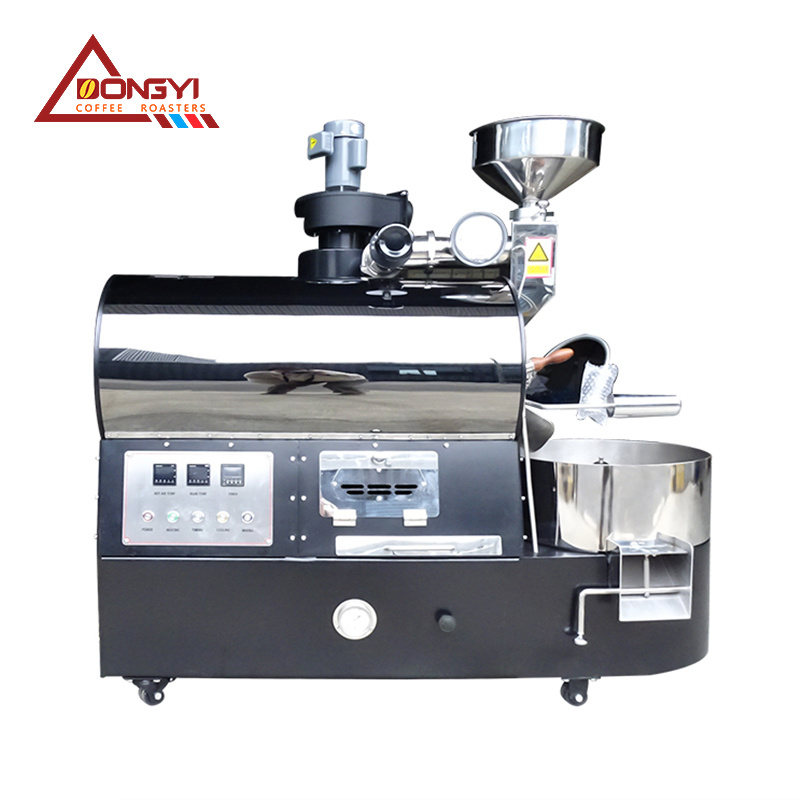
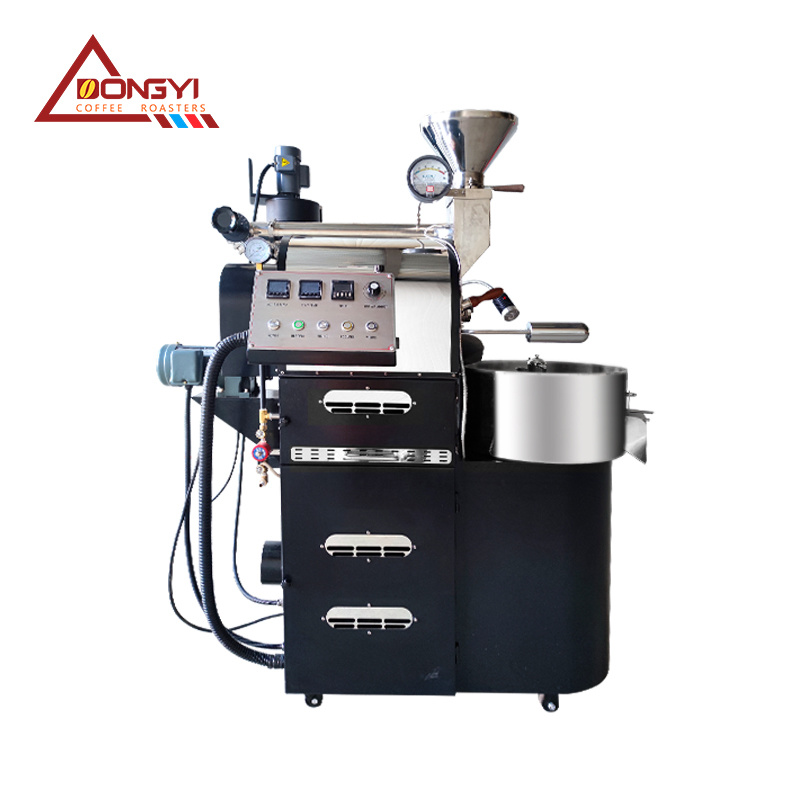
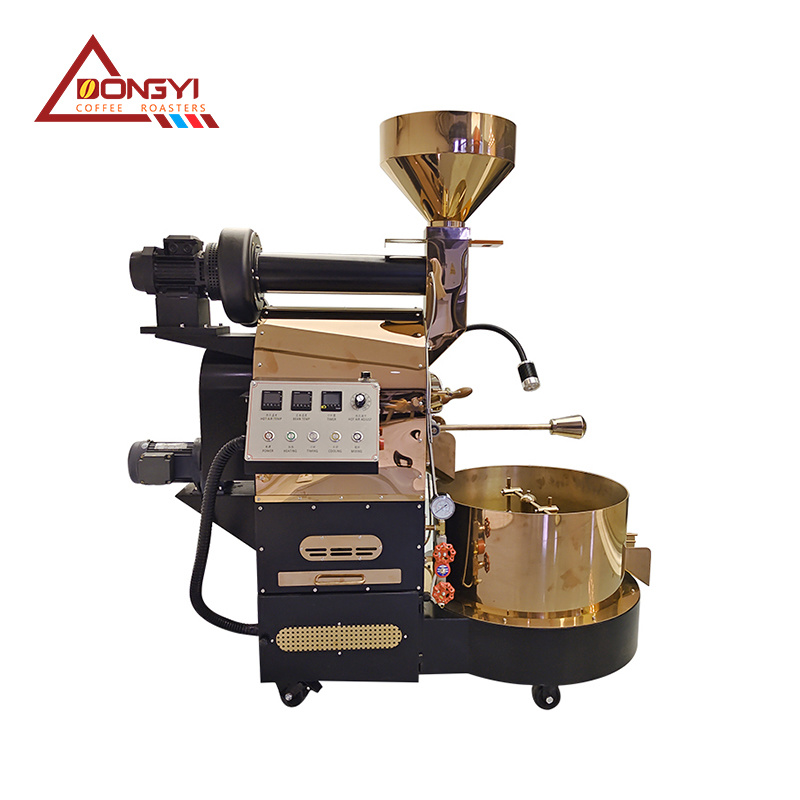
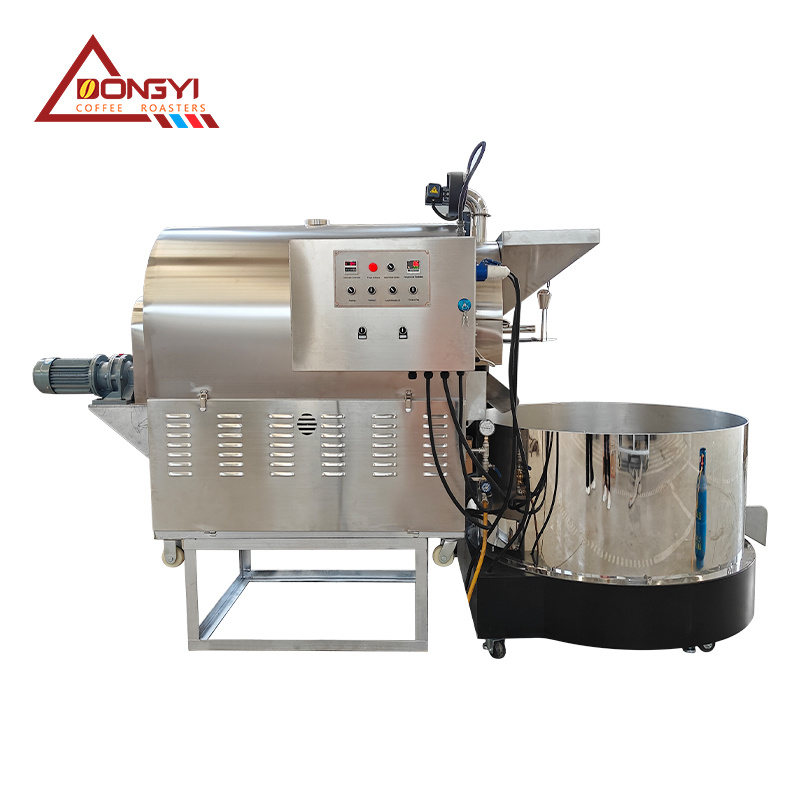
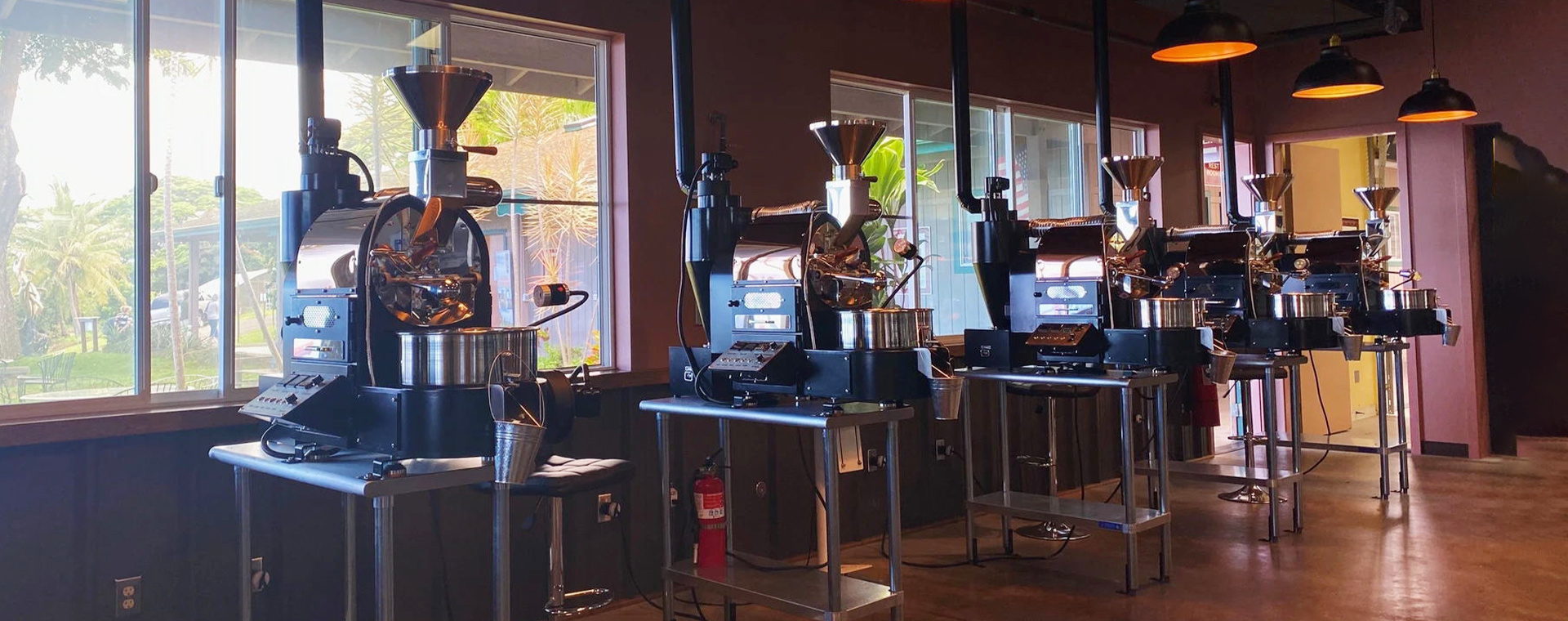
A 20kg coffee roaster is designed for batch roasting, ideal for medium-sized coffee shops or specialty roasters. It allows for precise control over the roasting parameters, which is crucial for replicating successful roast profiles. Understanding the components of your roaster, such as the drum, heat source, and cooling system, can significantly impact your roasting results.
Components of a 20kg Coffee Roaster
The main components include:
- Drum: Where the beans are roasted. A well-designed drum ensures even heat distribution.
- Heat Source: Can be gas, electric, or infrared, each providing unique benefits.
- Cooling Tray: Quickly cools roasted beans to preserve flavors.
- Chaff Collector: Captures the byproduct of roasting, ensuring a clean workspace.
Choosing the Right Green Coffee Beans
Selecting quality green coffee beans is the foundation of exceptional coffee roasting. Look for beans that are fresh, ethically sourced, and suited to the desired roast profile. Understanding bean origins, varietals, and processing methods will influence the final flavor of your coffee.
Factors to Consider When Choosing Beans
- Origin: Different regions produce unique flavor profiles; for example, Ethiopian beans may have floral notes, while Colombian beans are known for their balanced taste.
- Varietal: Arabica and Robusta are the two main species, with Arabica typically offering more complex flavors.
- Processing Method: Washed, natural, or honey-processed beans will have distinct taste characteristics.
Setting Up Your Roaster for Success
Before roasting, proper setup is essential to ensure consistency and quality. Familiarize yourself with your roaster’s controls, and configure settings such as airflow and temperature to match your specific beans and desired roast profile.
Preparing Your Roaster
- Preheat the Roaster: Ensure the roaster reaches the desired temperature before adding beans.
- Calibrate Temperature Settings: Use a reliable thermometer to monitor actual temperatures during roasting.
- Check for Moisture: Ensure the beans are dry to prevent uneven roasting.
The Roasting Process In-Depth
The roasting process itself requires attention and skill. Careful monitoring of time and temperature is crucial, as slight adjustments can dramatically alter the flavor profile of the final brew.
Executing the Roast
To achieve the desired results:
- Maintain Consistent Heat: Ensure even roasting by managing heat distribution throughout the process.
- Monitor Development Time: Adjust timing based on the beans and desired roast level.
- Take Notes: Document each roast to replicate successful profiles in the future.
Monitoring Temperature and Development Time
Temperature control is critical in coffee roasting. The ideal roasting temperature generally falls between 200°C to 240°C (392°F to 464°F), depending on the roast level. Use charts and data loggers to track temperature changes throughout the roast.
Understanding Development Time
Development time refers to the time between the first and second cracks. A shorter development time typically results in fruity flavors, while a longer time can yield chocolate and nutty notes. Experiment with different development times to find your preferred flavor balance.
Cooling and Storing Your Roasted Coffee
Once the roasting process is complete, cooling the beans quickly is essential to halt the roasting process. Use a cooling tray or a colander for efficient cooling. Proper storage of your roasted coffee beans is also vital for maintaining freshness.
Best Practices for Cooling and Storing
- Cool Quickly: Aim to cool beans below 30°C (86°F) within minutes.
- Use Airtight Containers: Store beans in cool, dark places to preserve flavor.
- Avoid Light and Air: Protect roasted beans from exposure to light and oxygen.
Common Mistakes to Avoid When Roasting
Even experienced roasters can fall into traps that affect the quality of their coffee. Here are some common mistakes to watch for:
- Skipping Preheating: Always preheat your roaster to ensure even cooking.
- Ignoring Bean Quality: Poor-quality beans lead to poor-quality coffee, no matter how well they are roasted.
- Not Taking Notes: Failing to log roasting times and temperatures can hinder your ability to replicate successful batches.
Frequently Asked Questions
1. What is the ideal roasting temperature for a 20kg coffee roaster?
The ideal roasting temperature usually ranges from 200°C to 240°C (392°F to 464°F), but it can vary based on the desired roast profile.
2. How long does the coffee roasting process take?
The duration can vary, but a typical roast cycle lasts between 10 to 20 minutes, depending on the beans and desired roast level.
3. Can I use any type of green coffee bean in a 20kg roaster?
Yes, you can use various types of beans, but it’s essential to choose high-quality, well-sourced beans to achieve the best flavors.
4. How should I store my roasted coffee beans?
Store roasted beans in an airtight container in a cool, dark place to maintain freshness and preserve flavor.
5. What should I do if my roasts are inconsistent?
Review your notes and check your roaster settings. Consistency in temperature, airflow, and bean quality is crucial for achieving uniform results.
Conclusion
Mastering a 20kg coffee roaster is an art that combines science, skill, and passion. By understanding the roasting process, choosing quality green beans, and paying attention to the minutiae of every roast cycle, you can create exceptional coffee that delights the senses. Whether you are a commercial roaster or a coffee enthusiast, the journey of crafting the perfect roast is rewarding and ever-evolving. Armed with the right knowledge and tools, you are now ready to embark on your coffee roasting adventure and create remarkable flavors that will leave an indelible mark on your coffee experience.
Recommended

Phone/WhatsApp:
Email:
About Us
We are a real coffee roasting machine manufacturer, providing OEM and ODM services, we have established a series of brands with our own characteristics.
HUATAO GROUP
Leave Message
Expand your business with a trusted partner
SAF Coolest v1.3.1.2 设置面板 GDNSD-ZRUA-MDADE-ZZE
无数据提示
Sorry, the current column is being updated, so stay tuned!