






China BlGGEST coffee roaster manufacter factory, l year exported up 2000sets to 35 world countries.
The Benefits of Using Single-Origin Beans in a Classical Coffee Roaster
Time:
08 Dec,2025
The Benefits of Using Single-Origin Beans in a Classical Coffee Roaster
Understanding Single-Origin Coffee
Single-origin coffee refers to beans sourced from a single producer, region, or country. This specificity allows for a unique flavor profile that reflects the terroir, climate, and cultivation practices of the area. Unlike blends that combine beans from various locations, single-origin coffee provides a distinct taste experience, showcasing the characteristics unique to that particular region.
The Richness of Flavor
One of the most compelling reasons to choose single-origin beans is the **diversity of flavor**. Each region produces coffee beans with unique notes, acidity, and body. For instance, Ethiopian coffees are often fruity and floral, while Colombian beans may offer a nutty and chocolatey flavor. When roasted using a classical coffee roaster, these unique flavors are accentuated, resulting in a cup that is rich and complex.
Flavor Profiles Across Different Regions
- **Ethiopia**: Known for its vibrant acidity and fruity undertones.
- **Colombia**: Renowned for its balanced flavor with hints of caramel and nuts.
- **Costa Rica**: Offers bright citrus notes and a clean finish.
- **Sumatra**: Features earthy and herbal flavors with a full body.
- **Jamaica Blue Mountain**: Celebrated for its mild flavor and lack of bitterness.
This **variety** in flavor profiles not only keeps coffee drinking exciting but also allows enthusiasts to explore and appreciate the differences between regions.
Benefits of Using a Classical Coffee Roaster
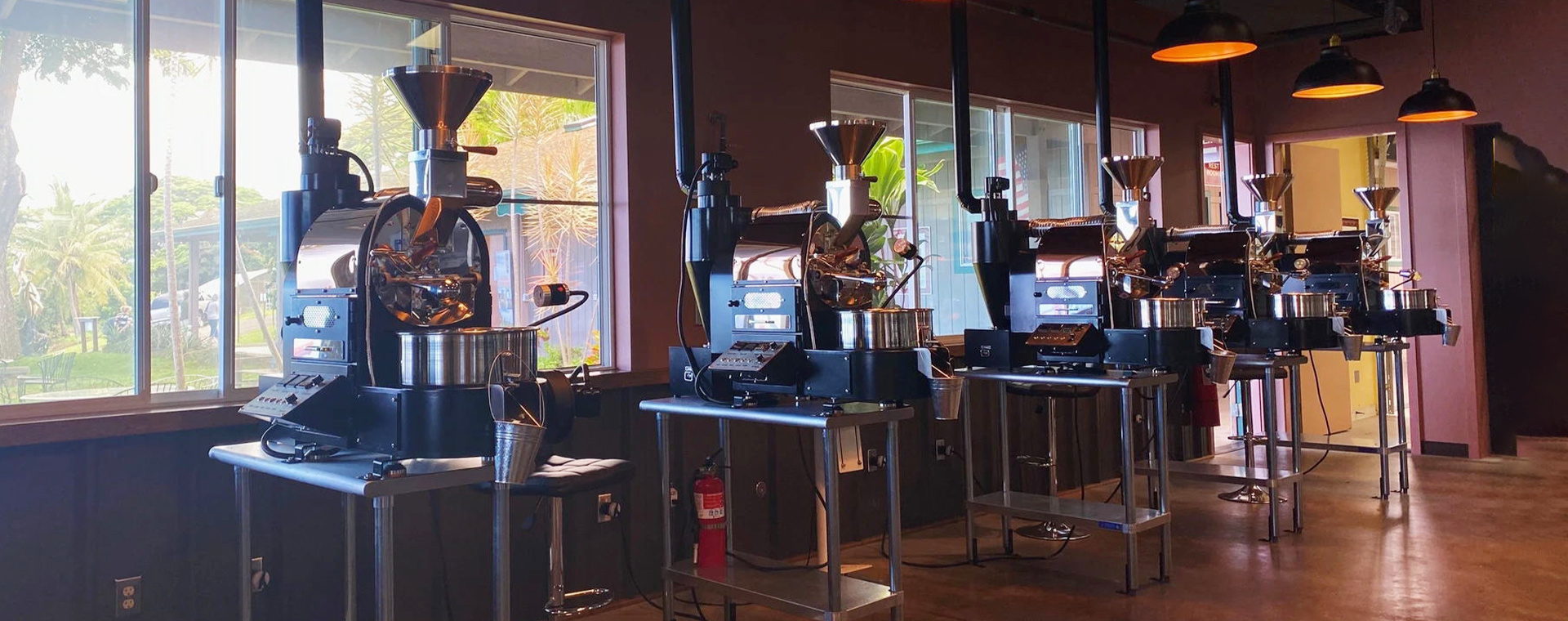
A classical coffee roaster, often characterized by its drum roasting method, can significantly enhance the flavor profiles of single-origin beans. This roasting technique allows for even heat distribution and control over the roasting time, which are crucial for bringing out the best flavors in coffee.
Consistency in Roasting
With a classical coffee roaster, you achieve a level of consistency that is often lacking in other roasting methods. This consistency is vital when working with single-origin beans, as it ensures that the unique flavors are **highlighted** rather than overshadowed by uneven roasting. The ability to control the roasting environment leads to better flavor clarity and complexity.
Temperature Control
Temperature control is essential in coffee roasting. A classical roaster provides the ability to adjust heat levels, allowing roasters to tailor the roast to the specific characteristics of the beans. This precision ensures that the beans reach their ideal roast level, which is critical for maximizing flavor.
Sustainability and Ethical Sourcing
Another significant advantage of using single-origin beans is the opportunity for **sustainability** and ethical sourcing. Many single-origin coffee producers focus on environmentally friendly practices, supporting local economies and promoting sustainable agriculture.
Supporting Local Farmers
Choosing single-origin coffee often means supporting smallholder farmers who cultivate the beans. By purchasing directly from these farmers, consumers can ensure that a fair price is paid, helping to improve the livelihoods of those in coffee-producing regions.
Environmental Impact
Sustainable coffee farming practices have a positive impact on the environment. Many single-origin producers utilize shade-grown methods, preserving biodiversity and reducing the need for harmful pesticides. This approach not only benefits the environment but also contributes to the overall quality of the beans.
Brewing Techniques for Single-Origin Coffee
To truly appreciate the flavors of single-origin beans, the brewing technique must be carefully considered. Different methods highlight different aspects of the coffee's flavor profile.
Pour-Over Method
The pour-over method is excellent for single-origin coffees, as it allows for precise control over the brewing process. This technique ensures that water flows evenly through the coffee grounds, extracting the unique flavors without over-extraction.
Steps for Pour-Over Brewing
1. Begin by measuring the coffee and water ratio (1:15 is a good starting point).
2. Rinse the filter to eliminate any paper taste.
3. Bloom the coffee with a small amount of water to release gases.
4. Slowly pour water in a circular motion, ensuring even saturation.
5. Allow the coffee to drip until all water has passed through.
French Press Method
The French press method is another excellent choice for brewing single-origin coffee. It allows for full immersion of coffee grounds, which can result in a rich and full-bodied cup.
Steps for French Press Brewing
1. Use coarsely ground coffee and water in a 1:12 ratio.
2. Add coffee to the press and pour hot water over the grounds.
3. Stir gently to ensure all grounds are saturated.
4. Place the lid on the French press and steep for about four minutes.
5. Press the plunger down slowly and serve immediately.
Experimenting with Flavor Profiles
Exploring different single-origin coffees can be a delightful journey. Variations in roast level, brewing method, and even water quality can dramatically affect the final taste. By experimenting with different beans from various regions, coffee enthusiasts can refine their palates and discover new favorites.
Roasting Your Own Beans
For those who are particularly passionate, roasting your own single-origin beans can be a rewarding experience. Investing in a quality classical coffee roaster allows you to control every aspect of the roasting process.
Tips for Home Roasting
- Start with small batches to experiment.
- Keep detailed notes on each roast to track your preferences.
- Adjust roasting times and temperatures based on taste.
- Don’t be afraid to try different single-origin beans to compare flavors.
Frequently Asked Questions (FAQs)
1. What is single-origin coffee?
Single-origin coffee is sourced from a specific region, producer, or country, allowing it to showcase unique flavor profiles associated with that area.
2. Why should I use single-origin beans?
Single-origin beans offer a distinct taste experience and the opportunity to support sustainable and ethical sourcing practices.
3. How does a classical coffee roaster differ from other roasters?
A classical coffee roaster uses a drum roasting method, providing even heat distribution and consistent roasting, which is crucial for highlighting the flavors of single-origin beans.
4. What brewing methods are best for single-origin coffee?
Pour-over and French press methods are recommended for brewing single-origin coffee, as they allow for maximum flavor extraction.
5. Can I roast my own single-origin beans at home?
Yes, roasting your own single-origin beans at home is possible and can be a rewarding experience, allowing you to customize the roast to suit your taste preferences.
Conclusion
Utilizing single-origin beans in a classical coffee roaster not only enhances your coffee experience but also contributes to sustainable practices and supports local communities. The unique flavors, combined with the precision of the roasting process, allow for a rich and complex cup that celebrates the artistry of coffee brewing. By exploring different regions and experimenting with brewing techniques, you can unlock a world of coffee that goes beyond the ordinary, ensuring each sip is a journey through the diverse landscapes of coffee culture. Embrace the richness of single-origin coffee and experience the difference that quality sourcing and roasting can make in your daily cup.
Recommended

Phone/WhatsApp:
Email:
About Us
We are a real coffee roasting machine manufacturer, providing OEM and ODM services, we have established a series of brands with our own characteristics.
HUATAO GROUP
Leave Message
Expand your business with a trusted partner
SAF Coolest v1.3.1.2 设置面板 GDNSD-ZRUA-MDADE-ZZE
违禁词: 第一,最,一流,领先,独一无二,王者,龙头,领导者,极致,
无数据提示
Sorry, the current column is being updated, so stay tuned!