




China BlGGEST coffee roaster manufacter factory, l year exported up 2000sets to 35 world countries.
The Ultimate Guide to Utilizing a 120kg Coffee Roaster in Your Cafe
Time:
10 Dec,2025
The Ultimate Guide to Utilizing a 120kg Coffee Roaster in Your Cafe
Table of Contents
- Introduction to Coffee Roasting Equipment
- Understanding 120kg Coffee Roasters
- Benefits of Using a 120kg Coffee Roaster
- Setting Up Your 120kg Coffee Roaster
- Operating Your Coffee Roaster Efficiently
- Essential Coffee Roasting Techniques
- Quality Control in Coffee Roasting
- Maximizing Sales with Your Roasted Coffee
- Conclusion
- FAQs
Introduction to Coffee Roasting Equipment
Owning a cafe involves more than just serving coffee; it requires an **acute understanding of coffee roasting equipment** to create the perfect cup. A 120kg coffee roaster stands out as a significant investment for any cafe aiming to improve its coffee quality and expand its offerings. This powerful machine not only allows for larger batches of coffee but also enhances the flavor profiles, ensuring that your customers enjoy the best brews.
Understanding 120kg Coffee Roasters
A **120kg coffee roaster** is designed to handle high-volume roasting while maintaining precise control over the roasting process. Unlike smaller roasters, this type enables cafes to produce consistent and high-quality coffee beans in larger quantities.
Components of a 120kg Coffee Roaster
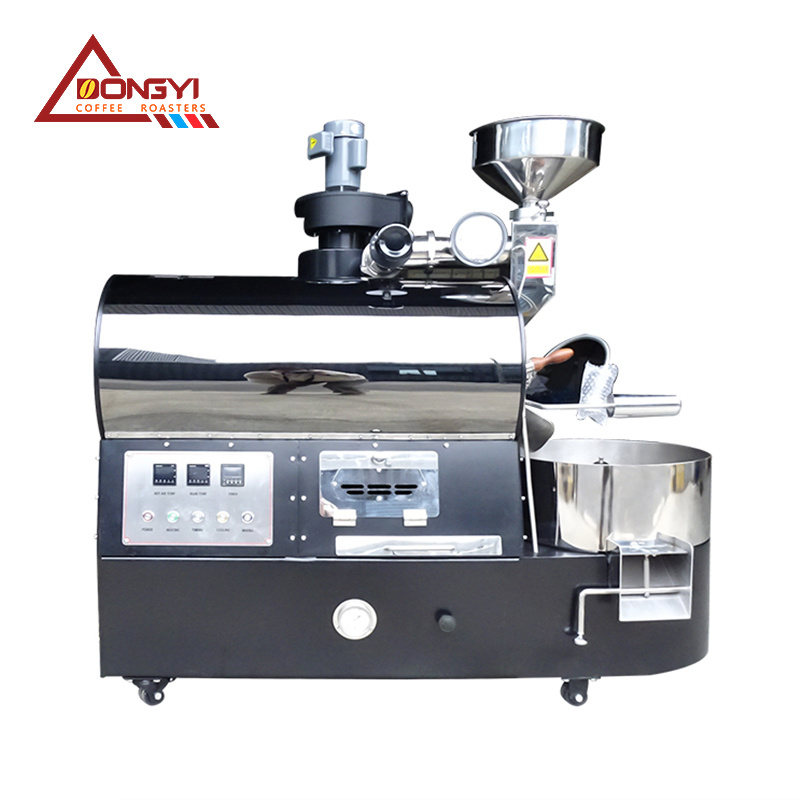
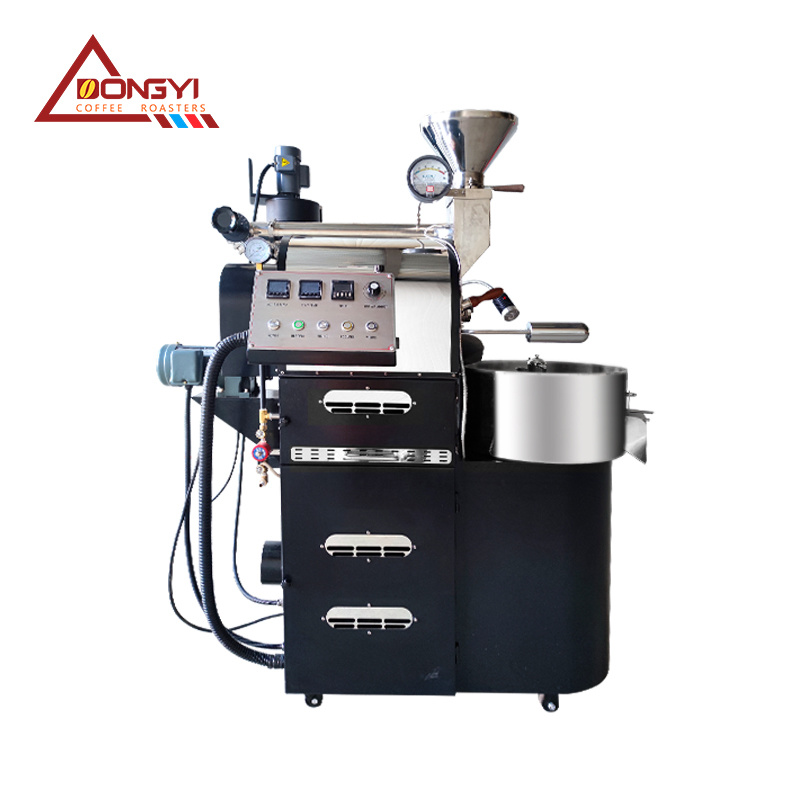
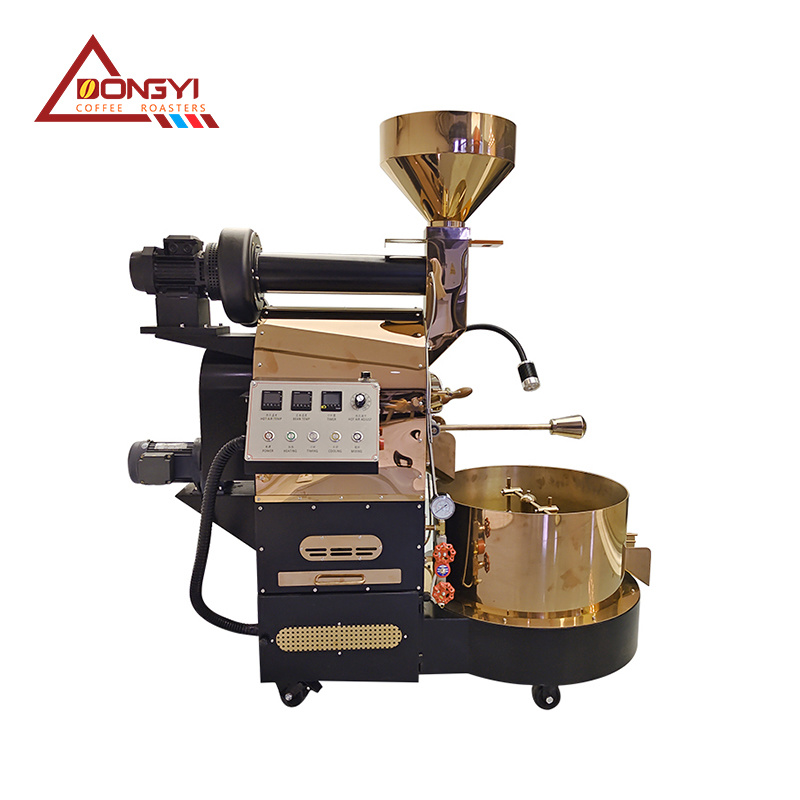
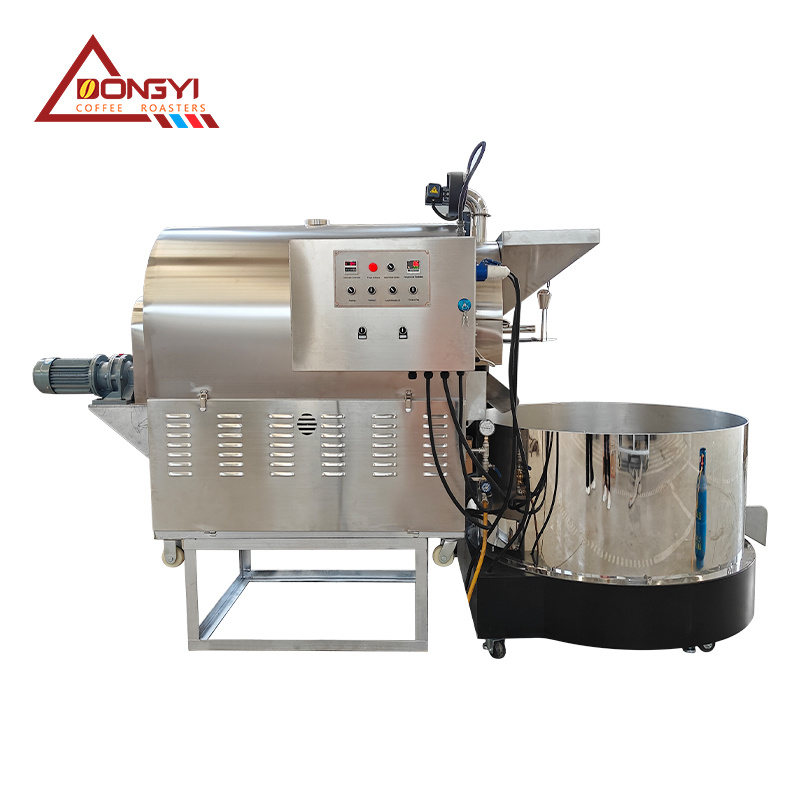
Understanding the components of a 120kg coffee roaster is essential for effective utilization. Key components include:
- **Drum**: Where coffee beans are roasted.
- **Burner**: Provides the heat necessary for roasting.
- **Chaff Collector**: Captures the coffee chaff produced during roasting.
- **Cooling Tray**: Rapidly cools the beans after roasting is complete.
- **Control Panel**: Allows for temperature and time adjustments.
Types of 120kg Coffee Roasters
Several types of 120kg coffee roasters cater to different roasting styles and preferences. They include:
- **Drum Roasters**: Known for their even roasting and rich flavor profiles.
- **Hot Air Roasters**: Utilize hot air for a lighter roast and a unique taste.
- **Hybrid Roasters**: Combine both drum and hot air methods for versatility.
Benefits of Using a 120kg Coffee Roaster
Investing in a 120kg coffee roaster offers numerous advantages for cafes looking to enhance their offerings.
Increased Production Capacity
With the ability to roast large quantities of coffee beans, a 120kg roaster significantly boosts your production capacity. This is ideal for busy cafes that serve numerous customers.
Enhanced Flavor Control
A larger roaster allows for precise monitoring of roasting profiles, leading to **enhanced flavor control**. You can experiment with different roasting times and temperatures to create unique blends that suit your customers' preferences.
Cost Efficiency
Roasting in larger batches can lead to cost savings. Buying raw coffee beans in bulk and roasting them yourself reduces overall costs and increases profit margins.
Setting Up Your 120kg Coffee Roaster
Setting up your 120kg coffee roaster requires careful planning and consideration.
Location and Space Requirements
Ensure that your roaster is placed in a well-ventilated area to prevent overheating. The space should allow for easy access to both the roasting and cooling process.
Electrical and Gas Needs
Check the electrical and gas requirements for your roaster. Having adequate power supply and gas lines is crucial for optimal operation.
Safety Protocols
Establish safety protocols to prevent accidents. This includes proper training for staff on equipment usage and implementing fire safety measures.
Operating Your Coffee Roaster Efficiently
Operating a 120kg coffee roaster requires expertise and practice.
Pre-Roasting Preparations
Before roasting, conduct thorough checks on your machine. Ensure all components are functioning properly, and preheat the roaster to your desired temperature.
Monitoring the Roasting Process
During the roasting process, closely monitor the temperature and time. This is crucial for achieving the desired roast profile.
Post-Roasting Procedures
Once the roasting is complete, promptly transfer the beans to the cooling tray. This preserves the flavors and prevents over-roasting.
Essential Coffee Roasting Techniques
Mastering coffee roasting techniques can set your cafe apart from the competition.
Understanding Roasting Stages
Familiarize yourself with the three main stages of the roasting process:
- **First Crack**: Indicates light roast levels.
- **Development Time**: Allows flavors to develop further.
- **Second Crack**: Signals a darker roast.
Experimenting with Roasting Profiles
Experiment with different roasting profiles to create unique blends. Adjust variables like time and temperature to find the ideal flavor profile for your customers.
Creating Signature Blends
Develop signature blends that reflect your cafe’s identity. Use a combination of beans from different regions to create distinct flavors.
Quality Control in Coffee Roasting
Quality control is vital for ensuring consistent coffee quality.
Regular Taste Testing
Implement regular taste testing of your roasted beans. This helps identify any discrepancies in flavor and maintain quality standards.
Maintaining Equipment
Regular maintenance of your roaster ensures optimal performance. Schedule routine checks and cleanings to keep your equipment in top shape.
Feedback from Customers
Encourage customer feedback on your coffee offerings. Using this input can help refine your roasting process and improve overall customer satisfaction.
Maximizing Sales with Your Roasted Coffee
Utilizing your roasted coffee effectively can drive sales and customer loyalty.
Offering Freshly Roasted Coffee
Promote your freshly roasted coffee as a unique selling point. Highlight the freshness and quality of your offerings to attract discerning customers.
Creating Coffee Subscriptions
Consider implementing a coffee subscription model. This allows loyal customers to receive freshly roasted coffee regularly, providing a steady revenue stream.
Engaging Marketing Strategies
Use engaging marketing strategies to promote your coffee. This can include social media campaigns, in-store promotions, and tasting events.
Conclusion
Utilizing a 120kg coffee roaster in your cafe opens up a world of opportunities. From increased production capacity to enhanced flavor control, the benefits are substantial. By mastering the art and science of coffee roasting, cafes can elevate their offerings and create a loyal customer base. As you embark on this journey, remember that consistent quality and innovation are keys to standing out in a crowded market.
FAQs
What is the best way to maintain a 120kg coffee roaster?
Regular cleaning, scheduled maintenance checks, and monitoring performance are essential for maintaining a 120kg coffee roaster.
How long does it take to roast coffee using a 120kg roaster?
The roasting time can vary but typically ranges from 12 to 20 minutes, depending on the desired roast level.
Can I roast different types of coffee beans in the same batch?
Yes, but it's important to consider the roasting profiles of each type of bean to achieve the best flavor outcomes.
What are the common mistakes to avoid when using a 120kg coffee roaster?
Common mistakes include improper temperature control, inadequate monitoring during roasting, and neglecting equipment maintenance.
How can I effectively market my roasted coffee?
Engage your audience through social media, offer tastings, and highlight the uniqueness of your freshly roasted coffee to attract customers.
Recommended

Phone/WhatsApp:
Email:
About Us
We are a real coffee roasting machine manufacturer, providing OEM and ODM services, we have established a series of brands with our own characteristics.
HUATAO GROUP
Leave Message
Expand your business with a trusted partner
SAF Coolest v1.3.1.2 设置面板 GDNSD-ZRUA-MDADE-ZZE
违禁词: 第一,最,一流,领先,独一无二,王者,龙头,领导者,极致,
无数据提示
Sorry, the current column is being updated, so stay tuned!