



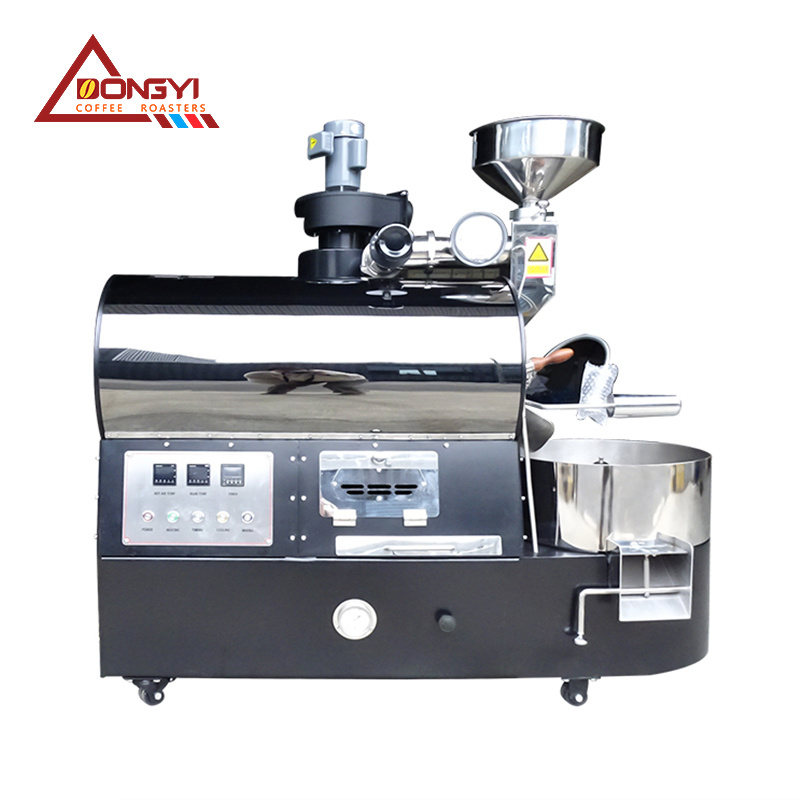
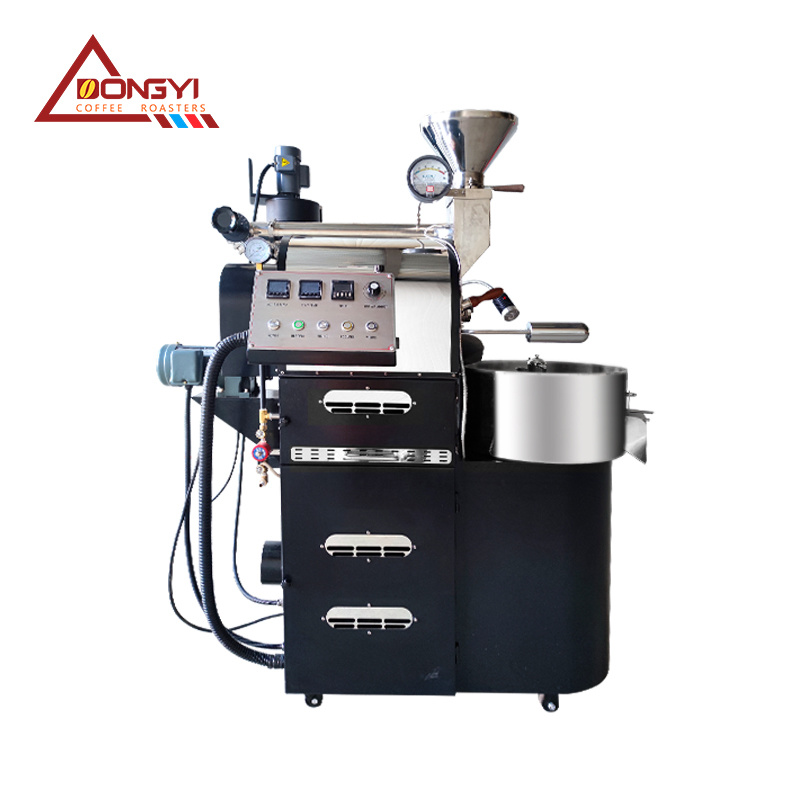
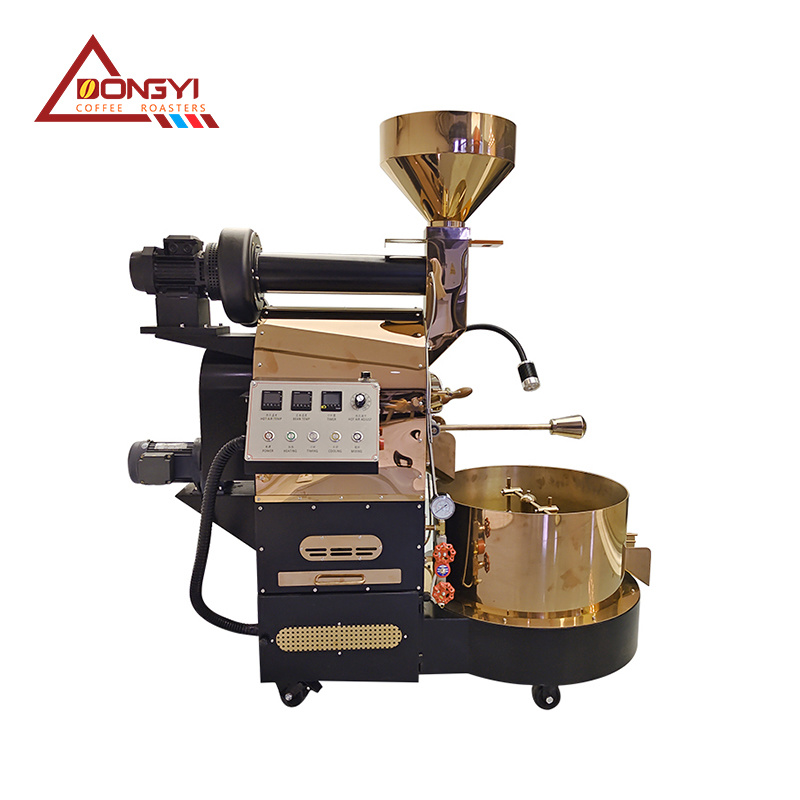

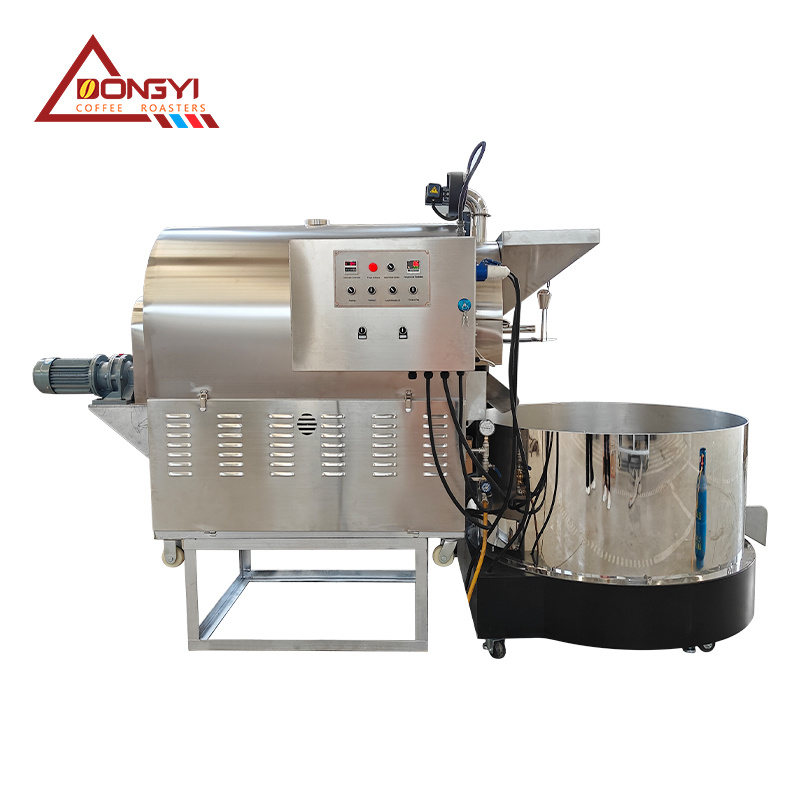
China BlGGEST coffee roaster manufacter factory, l year exported up 2000sets to 35 world countries.
Choosing the Right 20kg Coffee Roaster: Key Features to Consider
Time:
09 Jan,2026
Choosing the Right 20kg Coffee Roaster: Key Features to Consider
Table of Contents
1. Understanding the Importance of a Quality Coffee Roaster
2. Key Features to Evaluate When Selecting a 20kg Coffee Roaster
2.1 Capacity and Production Needs
2.2 Roasting Technology: Drum vs. Hot Air
2.3 Precision in Temperature Control
2.4 Roast Profiles and Customization Options
2.5 Energy Efficiency and Sustainability
2.6 Build Quality and Durability
2.7 Ease of Use and Maintenance
2.8 Price and Return on Investment
3. Comparing Top 20kg Coffee Roaster Brands
4. Frequently Asked Questions (FAQs)
5. Conclusion
1. Understanding the Importance of a Quality Coffee Roaster
In the world of coffee, the roaster holds immense significance as it influences the flavor, aroma, and overall quality of the brew. For businesses aiming to provide exceptional coffee experiences, investing in a **20kg coffee roaster** is a strategic choice. A 20kg capacity allows for substantial production while maintaining the integrity of small-batch roasting. Quality roasters not only enhance your coffee’s flavor profile but also contribute to your brand’s reputation and customer satisfaction.
2. Key Features to Evaluate When Selecting a 20kg Coffee Roaster
Choosing the right 20kg coffee roaster involves assessing several critical features. Here’s an in-depth look at what to consider:
2.1 Capacity and Production Needs
The first step is to evaluate your production needs. A **20kg coffee roaster** can produce between 20 to 25kg of roasted coffee per hour, making it suitable for medium-sized businesses or coffee shops that experience moderate to high traffic. Consider factors such as peak hours, customer demand, and your roasting schedule to determine if this capacity aligns with your business model.
2.2 Roasting Technology: Drum vs. Hot Air
There are primarily two types of roasting technologies: **drum roasters** and **hot air roasters**. Drum roasters are renowned for their consistency and flavor development, allowing for a more controlled roasting environment. Hot air roasters, on the other hand, offer faster roasting times and are often more energy efficient. Understanding the nuances of each technology will help you choose the one that best fits your roasting style and flavor preferences.
2.3 Precision in Temperature Control
Temperature control is paramount in coffee roasting. A quality roaster should provide precise temperature adjustments to facilitate the roasting process. Look for machines that feature advanced **temperature control systems** and real-time monitoring. This feature not only ensures consistency across batches but also allows for experimentation with roast profiles, enabling you to create unique blends that stand out in the market.
2.4 Roast Profiles and Customization Options
The ability to create and store different **roast profiles** is essential for any serious coffee business. A roaster that allows for customization enables you to tweak recipes based on bean type, origin, and desired flavor notes. This feature enhances your versatility and helps you cater to diverse customer preferences, ultimately growing your brand.
2.5 Energy Efficiency and Sustainability
In today’s environmentally conscious market, energy efficiency should be a priority. Look for roasters that offer energy-saving technologies and materials. Sustainable roasting practices not only reduce operational costs but also appeal to eco-minded consumers, enhancing your brand image.
2.6 Build Quality and Durability
Investing in a **20kg coffee roaster** is a significant financial commitment; therefore, it’s essential to consider build quality and durability. Opt for machines made with high-quality materials, particularly stainless steel, which offers longevity and resistance to corrosion. Additionally, read reviews and seek recommendations to ensure you select a roaster from a reputable manufacturer known for durability.
2.7 Ease of Use and Maintenance
A user-friendly roasting machine can greatly enhance your workflow. Features such as intuitive controls, easy-to-read displays, and straightforward setup processes can save time and reduce the learning curve for your staff. Moreover, consider the maintenance requirements: a roaster that is easy to clean and maintain will ensure operational efficiency and longevity.
2.8 Price and Return on Investment
While price is a crucial factor, evaluating the return on investment (ROI) is just as important. A higher upfront cost may be justified by lower operational costs or superior product quality that attracts more customers. Compare different models within your budget range, but prioritize features that align with your business goals and growth trajectory.
3. Comparing Top 20kg Coffee Roaster Brands
Several reputable brands manufacture **20kg coffee roasters** that cater to various needs. Brands like Probat, Diedrich, and Loring are well-respected in the coffee industry. Each brand offers unique features, designs, and price points. For a thorough comparison, consider visiting trade shows, reading customer reviews, and requesting demonstrations to find the right fit for your business.
4. Frequently Asked Questions (FAQs)
4.1 What is the ideal roasting time for a 20kg coffee roaster?
The ideal roasting time varies depending on the bean type and desired roast level, typically ranging from 10 to 20 minutes.
4.2 How often should I clean my coffee roaster?
Regular maintenance is essential. It’s recommended to clean the roaster after every batch and perform a deeper clean weekly or bi-weekly.
4.3 Can I roast different types of coffee beans in a single roaster?
Yes, but it’s advisable to roast similar beans together to avoid flavor contamination. Maintain thorough cleaning between different bean types.
4.4 What safety features should I look for in a coffee roaster?
Key safety features include automatic shut-off mechanisms, temperature alarms, and well-insulated exteriors to prevent burns.
4.5 How do I choose the right roast profile for my coffee?
Experimentation is key. Start with small batches, keeping detailed notes on variables like temperature and time, and adjust based on taste preferences and customer feedback.
5. Conclusion
Selecting the right **20kg coffee roaster** is a pivotal decision that can significantly impact your coffee business. By carefully evaluating key features such as capacity, technology, temperature control, and customization options, you can make an informed choice that aligns with your production needs and quality standards. Investing in a quality roaster not only enhances your product offerings but also elevates your brand in a competitive market. With the right equipment in place, your coffee roasting journey can lead to remarkable success and customer satisfaction.
Recommended

Phone/WhatsApp:
Email:
About Us
We are a real coffee roasting machine manufacturer, providing OEM and ODM services, we have established a series of brands with our own characteristics.
HUATAO GROUP
Leave Message
Expand your business with a trusted partner
SAF Coolest v1.3.1.2 设置面板 GDNSD-ZRUA-MDADE-ZZE
违禁词: 第一,最,一流,领先,独一无二,王者,龙头,领导者,极致,
无数据提示
Sorry, the current column is being updated, so stay tuned!