



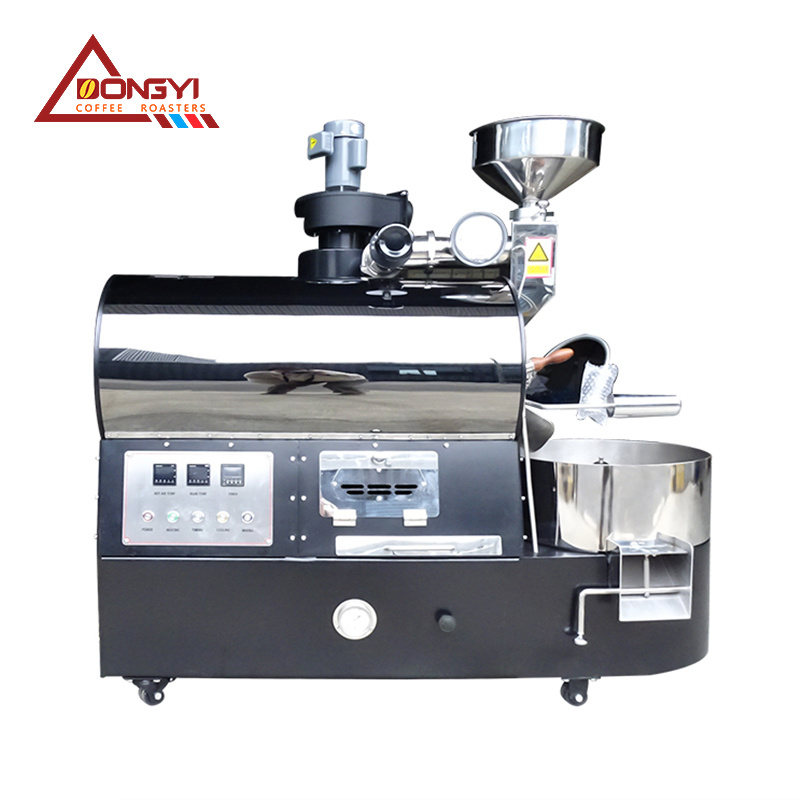
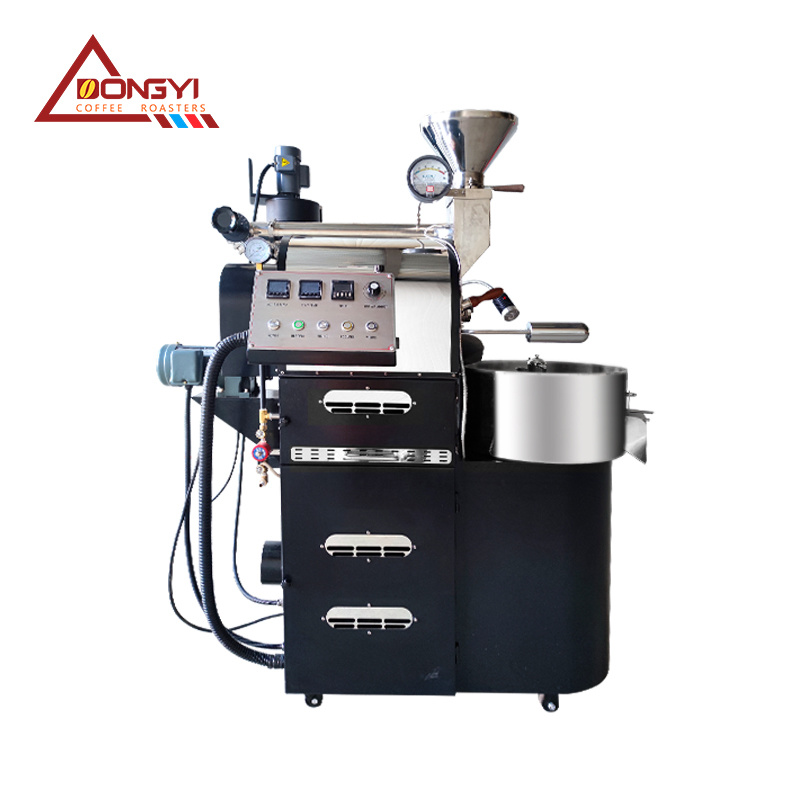
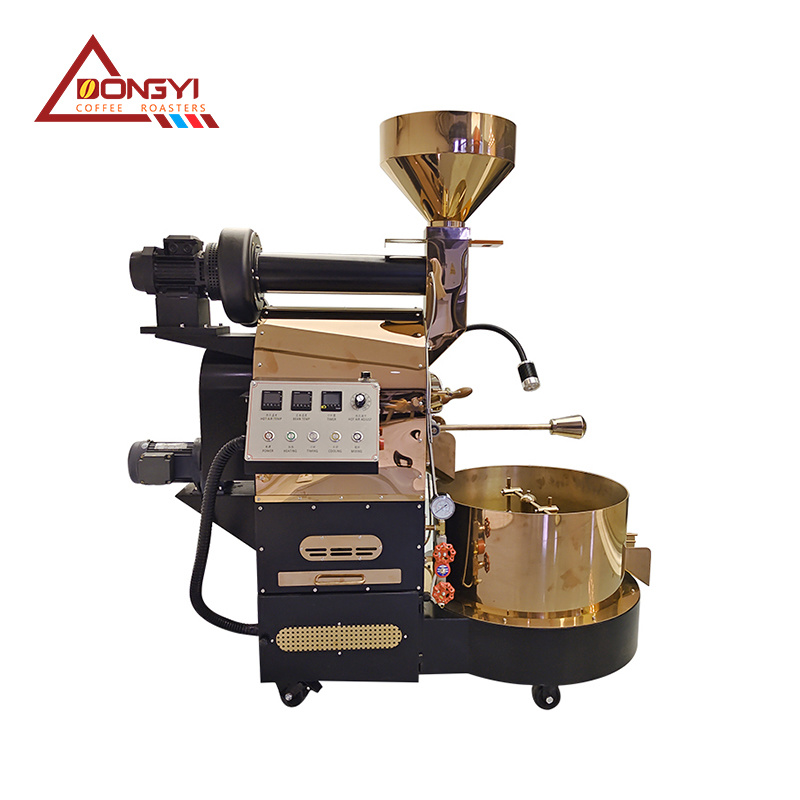

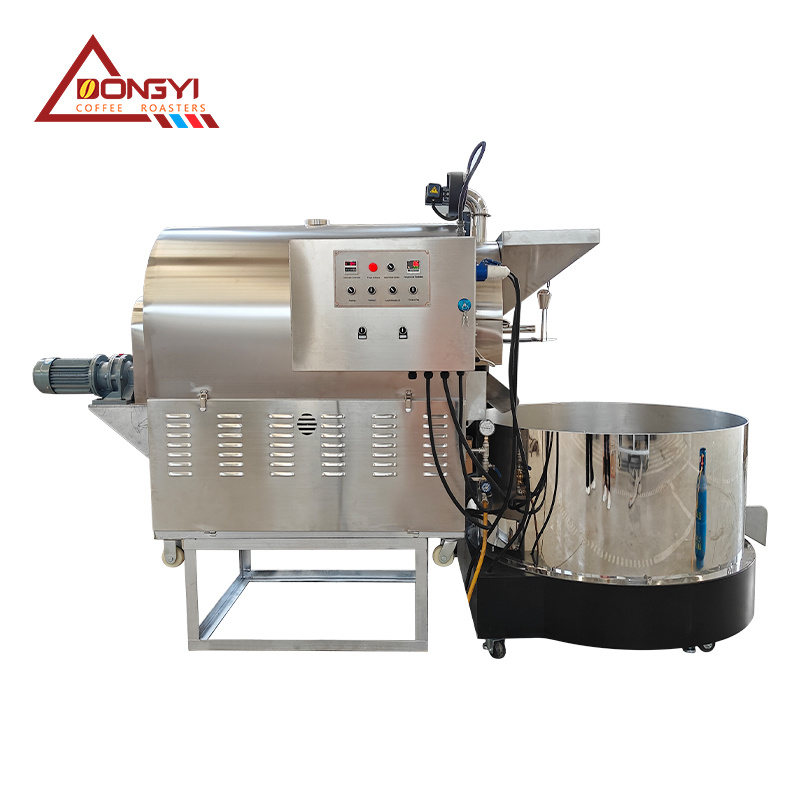
China BlGGEST coffee roaster manufacter factory, l year exported up 2000sets to 35 world countries.
The Journey of Coffee: Insights from Using a 15kg Roaster
Time:
14 Feb,2026
The Journey of Coffee: Insights from Using a 15kg Roaster
In the vast world of coffee production, the roasting process is a critical step that transforms raw green beans into the aromatic and flavorful beverage beloved by millions. Utilizing a 15kg roaster adds a layer of complexity and nuance to this journey, allowing for experimentation and mastery of the craft. This article explores the extensive process of coffee roasting, with an emphasis on using a 15kg roaster, providing detailed insights, tips, and expert advice to enhance your coffee experience.
Table of Contents
- 1. Introduction to Coffee Roasting
- 2. Understanding the 15kg Roaster
- 3. Selecting the Right Coffee Beans
- 4. The Roasting Process: Step-by-Step
- 5. Monitoring Roast Development
- 6. Post-Roasting Methods
- 7. Tips for Using a 15kg Roaster
- 8. Conclusion
- FAQs
1. Introduction to Coffee Roasting
The journey of coffee begins long before it reaches our cups. It starts with the selection of the right beans, but the true transformation occurs during the roasting process. Roasting coffee is both an art and a science, requiring precision, attention to detail, and a deep understanding of flavor profiles. From light to dark roasts, each variation offers a unique taste experience, influenced significantly by the roast level.
2. Understanding the 15kg Roaster
The 15kg roaster is an ideal choice for small to medium-scale coffee roasting operations. It strikes a balance between capacity and control, allowing roasters to experiment with different roasting profiles without losing quality. Key features of a 15kg roaster include:
- Capacity: Capable of roasting larger batches while maintaining consistency.
- Temperature Control: Precise control over heat application ensures even roasting.
- Durability: Built to withstand the rigors of daily roasting.
3. Selecting the Right Coffee Beans
The selection of coffee beans is paramount in determining the final flavor profile. Different regions produce beans with unique characteristics. When selecting beans for a 15kg roaster, consider the following:
- Origin: Beans from Ethiopia may offer floral notes, while Colombian beans are known for their balanced flavor.
- Processing Method: Natural, washed, or honey-processed beans impart different flavors and aromas.
- Bean Variety: Arabica and Robusta beans have distinct flavor profiles and caffeine content.
4. The Roasting Process: Step-by-Step
Roasting coffee involves several stages, each contributing to the final product's flavor. Understanding these stages is crucial for achieving the desired roast level. The primary stages include:
4.1. Drying Phase
The initial phase involves removing moisture from the beans. This is critical as excess moisture can lead to uneven roasting. This phase typically lasts for 10-15 minutes, during which the beans turn from green to yellow.
4.2. Maillard Reaction
As the temperature rises, the Maillard reaction occurs, where sugars and amino acids react to create complex flavors. This phase is vital for developing the coffee's character and depth.
4.3. First Crack
At around 196°C (385°F), the first crack signals the beans are reaching light roast levels. This sound indicates the expansion of the beans due to steam pressure. It’s an essential milestone for roasters to monitor.
4.4. Development Time
Post-first crack, the development time influences the roast's flavor. Longer development times enhance sweetness, while shorter times maintain acidity. This phase is where roasters can experiment to find their ideal flavor profile.
4.5. Second Crack
The second crack occurs at approximately 224°C (435°F) and indicates a darker roast. The flavors become more intense, and the beans may develop oil on the surface.
4.6. Cooling
Immediately after reaching the desired roast level, beans must be cooled rapidly to halt the roasting process. This can be done using air cooling or water quenching methods.
5. Monitoring Roast Development
Successfully roasting coffee requires keen observation and experience. Monitoring development involves tracking variables such as temperature, time, and sensory evaluation. Key techniques include:
5.1. Using a Profiling System
A profiling system can help roasters measure temperature changes throughout the roasting process. This data is invaluable for replicating successful batches.
5.2. Sensory Evaluation
As the roast progresses, it's essential to taste samples, assessing aroma and flavor. A well-trained palate can identify subtle differences that guide adjustments in future batches.
6. Post-Roasting Methods
Once the roasting process is complete, the treatment of the beans affects their final quality. Consider the following post-roasting practices:
6.1. Degassing
Freshly roasted coffee beans release carbon dioxide. Allowing them to degas for 24-48 hours enhances flavor and aroma, making for a better cup of coffee.
6.2. Packaging
Proper packaging is essential to preserve freshness. Use airtight bags with one-way valves to allow gases to escape while preventing air from entering.
6.3. Quality Control
Regular cupping sessions post-roasting can help maintain quality. Consistency in flavor profile is vital for building customer loyalty.
7. Tips for Using a 15kg Roaster
Maximizing the potential of a 15kg roaster requires the right strategies and approaches. Here are some tips for achieving the best results:
7.1. Start with Small Batches
When learning to use the 15kg roaster, begin with smaller batches. This allows you to experiment without wasting large quantities of beans.
7.2. Keep Detailed Records
Documenting each roast’s parameters and outcomes helps identify successful practices and areas for improvement. Create a roasting log for effective tracking.
7.3. Stay Consistent
Consistency is key in roasting. Use the same starting conditions for each batch to accurately compare results and adjustments.
7.4. Experiment with Profiles
Don’t hesitate to test different roasting profiles. Each adjustment can lead to discovering unique flavors and aromas in your coffee.
7.5. Engage with the Coffee Community
Participating in coffee forums and workshops can provide valuable insights and tips from experienced roasters. Networking helps broaden your knowledge base.
8. Conclusion
The journey of coffee, especially when using a 15kg roaster, is an intricate blend of art, science, and passion. Each step, from selecting the beans to the final brew, plays a pivotal role in developing a unique flavor profile. By understanding the roasting process and applying careful control and experimentation, roasters can uncover the rich nuances in their coffee, providing an exceptional experience for consumers. The 15kg roaster is not just a tool; it is a gateway to explore the vast possibilities within the world of coffee roasting.
FAQs
1. What is the ideal roast time for a 15kg roaster?
The ideal roast time varies based on the bean type and desired roast level but typically ranges from 10 to 20 minutes.
2. Can I roast different bean varieties at the same time?
It’s best to roast similar bean varieties together to ensure consistent flavor profiles and roasting times.
3. How do I know when to stop roasting?
Monitoring the color of the beans and listening for the first and second cracks are key indicators of when to stop roasting.
4. What are the benefits of using a 15kg roaster over smaller models?
A 15kg roaster allows for more significant production while maintaining control over the roasting process, making it ideal for small businesses.
5. How can I improve my roasting skills?
Regular practice, detailed record-keeping, and engaging with the coffee community can all enhance your roasting skills.
Recommended

Phone/WhatsApp:
Email:
About Us
We are a real coffee roasting machine manufacturer, providing OEM and ODM services, we have established a series of brands with our own characteristics.
HUATAO GROUP
Leave Message
Expand your business with a trusted partner
SAF Coolest v1.3.1.2 设置面板 GDNSD-ZRUA-MDADE-ZZE
无数据提示
Sorry, the current column is being updated, so stay tuned!