




China BlGGEST coffee roaster manufacter factory, l year exported up 2000sets to 35 world countries.
Elevate Your Coffee Experience: The Ultimate Guide to Classical Coffee Roasters
Time:
16 Mar,2026
Elevate Your Coffee Experience: The Ultimate Guide to Classical Coffee Roasters
Table of Contents
- Introduction to Classical Coffee Roasting
- Benefits of Using a Classical Coffee Roaster
- Understanding the Coffee Roasting Process
- How to Choose the Right Coffee Beans for Roasting
- Different Types of Classical Coffee Roasters
- Essential Roasting Techniques for Beginners
- Brewing Methods to Complement Your Roasted Coffee
- Caring for Your Classical Coffee Roaster
- Conclusion: Take Your Coffee Game to the Next Level
- Frequently Asked Questions
Introduction to Classical Coffee Roasting
In the world of coffee, few experiences can match the rich, aromatic pleasure of freshly roasted beans. **Classical coffee roasters** allow enthusiasts to unlock a new level of flavor and enjoyment in their daily brew. Understanding how to roast coffee at home opens the door to an array of tastes and aromas that you simply cannot find in pre-packaged options. This guide will dive deep into the art and science of coffee roasting, helping you elevate your coffee game.
Benefits of Using a Classical Coffee Roaster
Investing in a classical coffee roaster presents numerous advantages for coffee lovers:
1. Customized Flavor Profiles
Roasting your own coffee allows you to experiment with different beans and roasting times, resulting in bespoke flavors tailored to your palate. You can achieve everything from light, fruity notes to deep, rich flavors that are characteristic of darker roasts.
2. Freshness Guaranteed
Coffee tastes best when brewed from freshly roasted beans. With a classical coffee roaster, you can ensure that your beans are roasted just before brewing, preserving their natural oils and flavors.
3. Cost-Effectiveness
Although the initial investment in a roaster can be significant, you will save money in the long run compared to buying premium roasted coffee. Green coffee beans are often cheaper and can yield several batches of roasted coffee.
Understanding the Coffee Roasting Process
Roasting coffee is both an art and a science, involving complex chemical reactions that transform green coffee beans into the aromatic brown beans we love.
1. The Stages of Roasting
The roasting process can be broken down into several stages:
- **Drying Stage**: During this phase, moisture is removed from the beans. This is critical for achieving an even roast.
- **Maillard Reaction**: As the temperature rises, chemical reactions occur that contribute to the development of flavor and color.
- **First Crack**: This audible popping sound indicates that the beans are nearing a light to medium roast.
- **Development Phase**: Following the first crack, the beans continue to roast, developing deeper flavors.
- **Second Crack**: A second audible crack indicates a darker roast level.
2. The Importance of Temperature Control
Temperature plays a crucial role in the roasting process. Different temperatures will yield different flavor profiles and roast levels. Whether you aim for a light, medium, or dark roast, mastering temperature control is essential for achieving the desired outcome.
How to Choose the Right Coffee Beans for Roasting
Selecting high-quality green coffee beans is the foundation for a great cup of coffee.
1. Bean Origin
Coffee beans from different regions have distinct flavor profiles. For example, Ethiopian beans are known for their fruity and floral notes, while Colombian beans are often characterized by their smoothness and balance.
2. Bean Quality
Look for high-grade Arabica beans. Specialty coffee beans are usually graded based on their flavor and defect levels. Opting for quality beans will significantly impact your final product.
3. Variety
Explore various coffee varieties, such as Bourbon, Typica, or Geisha, to discover unique flavors and aromas. Each variety brings different characteristics to the cup.
Different Types of Classical Coffee Roasters
When considering which type of classical coffee roaster to purchase, it is essential to understand the options available:
1. Drum Roasters
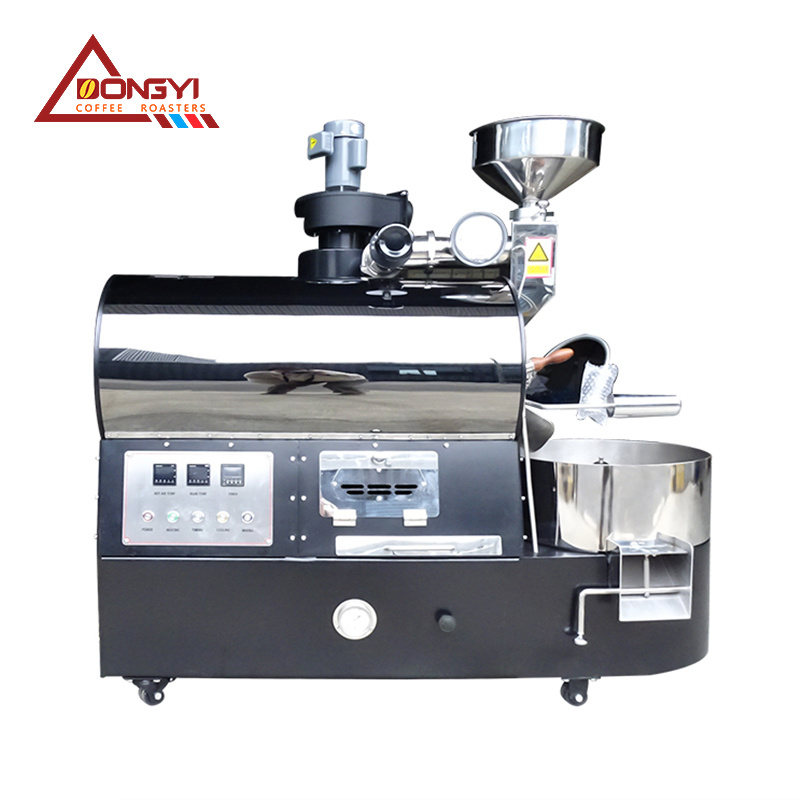
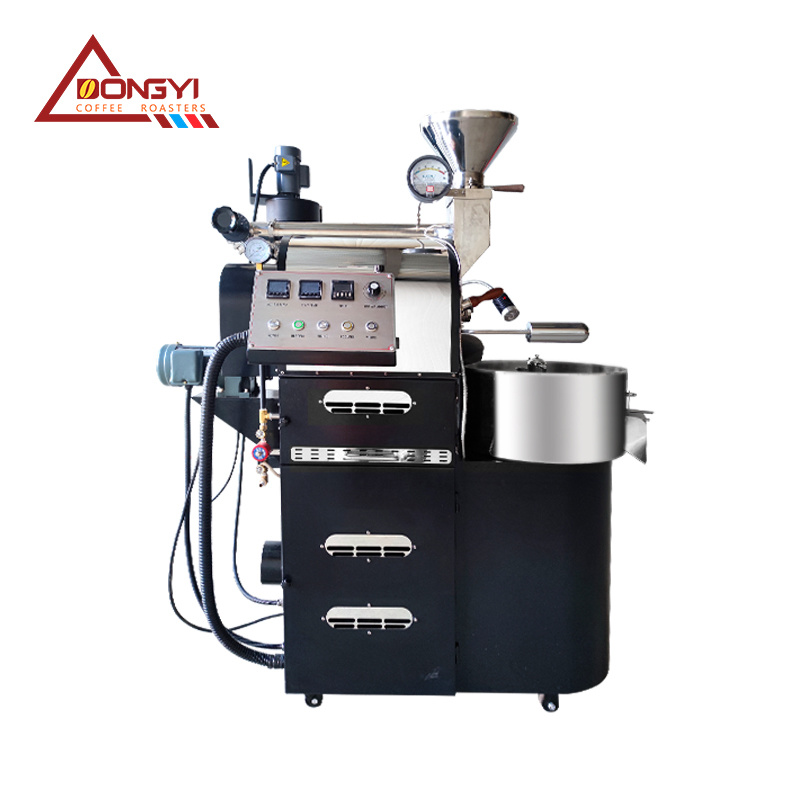
Drum roasters are popular among coffee enthusiasts. They use a rotating drum and heat source to roast beans evenly. These roasters are known for producing consistent results.
2. Air Roasters
Air roasters use hot air instead of direct heat. This method can lead to a more vibrant flavor but may require more practice to master.
3. Home Roasters
Compact home roasters are designed for small batches. They are ideal for those just starting out in the coffee roasting journey.
Essential Roasting Techniques for Beginners
Mastering the roasting process requires practice and patience. Here are essential techniques for beginners:
1. Start with Small Batches
When starting, consider roasting small batches of beans, around 100-200 grams. This allows for easier experimentation and adjustment.
2. Monitor with a Timer
Use a timer to keep track of roasting time. Different beans and desired roast levels will require varying times.
3. Take Notes
Document your roasting process, including temperatures, times, and the flavor profiles you experience. This will help refine your technique over time.
Brewing Methods to Complement Your Roasted Coffee
Once you have roasted your beans, the next step is to brew them correctly. Here are some popular brewing methods:
1. French Press
The French press allows for full extraction of flavors. Coarse grind your roasted coffee beans and steep them in hot water before pressing.
2. Pour Over
Pour-over brewing offers control over water flow and extraction. Use a fine grind for this method, and experiment with bloom time for optimal flavor.
3. Espresso
For those who enjoy intense coffee, using an espresso machine with finely ground roasted beans can produce rich and concentrated shots.
Caring for Your Classical Coffee Roaster
Proper maintenance of your coffee roaster ensures longevity and consistent performance:
1. Regular Cleaning
After each roasting session, let the roaster cool down and clean it thoroughly to prevent oil buildup and burnt residue.
2. Check for Wear and Tear
Regularly inspect your roaster for any signs of damage. Address any issues immediately to maintain optimal functionality.
3. Store in a Cool, Dry Place
To protect your roaster, store it in a well-ventilated area away from moisture and heat sources.
Conclusion: Take Your Coffee Game to the Next Level
Switching to a classical coffee roaster is a transformative journey that can significantly enhance your coffee experience. From understanding the nuances of the roasting process to selecting the best beans and refining your brewing methods, this guide has equipped you with the knowledge to take your coffee game to new heights. Embrace the art of coffee roasting and enjoy the unique flavors of personalized coffee that only you can create.
Frequently Asked Questions
1. What is the best type of coffee bean for roasting?
The best type of coffee bean for roasting is high-grade Arabica, known for its superior flavor profile compared to Robusta beans.
2. How long does it take to roast coffee beans?
Roasting coffee beans typically takes between 10-20 minutes, depending on the desired roast level and the type of roaster used.
3. Can I roast coffee beans at home without a roaster?
Yes, you can use methods like a stovetop popcorn popper or an oven to roast coffee beans at home, but a dedicated roaster will yield better results.
4. How do I know when my coffee beans are done roasting?
Listen for the first and second cracks; they indicate different stages of the roast. The desired roast level will determine when to stop the process.
5. What is the best way to store roasted coffee beans?
Store roasted coffee beans in an airtight container away from light, heat, and moisture to preserve their freshness and flavor.
Recommended

Phone/WhatsApp:
Email:
About Us
We are a real coffee roasting machine manufacturer, providing OEM and ODM services, we have established a series of brands with our own characteristics.
HUATAO GROUP
Leave Message
Expand your business with a trusted partner
SAF Coolest v1.3.1.2 设置面板 GDNSD-ZRUA-MDADE-ZZE
违禁词: 第一,最,一流,领先,独一无二,王者,龙头,领导者,极致,
无数据提示
Sorry, the current column is being updated, so stay tuned!