




China BlGGEST coffee roaster manufacter factory, l year exported up 2000sets to 35 world countries.
Gas Coffee Roasters: A Comprehensive Guide for Beginners
Time:
30 Mar,2026
Gas Coffee Roasters: A Comprehensive Guide for Beginners
Table of Contents
1. Understanding Gas Coffee Roasters
2. The Advantages of Using Gas Coffee Roasters
3. How to Choose the Right Gas Coffee Roaster
3.1 Size and Capacity
3.2 Features to Look For
3.3 Budget Considerations
4. The Roasting Process: Step-by-Step Guide
4.1 Preparing Your Green Coffee Beans
4.2 Setting Up Your Gas Coffee Roaster
4.3 Monitoring the Roast
5. Tips for Perfecting Your Roast
6. Maintenance and Care for Gas Coffee Roasters
7. Common Problems and Solutions
8. Frequently Asked Questions
9. Conclusion
1. Understanding Gas Coffee Roasters
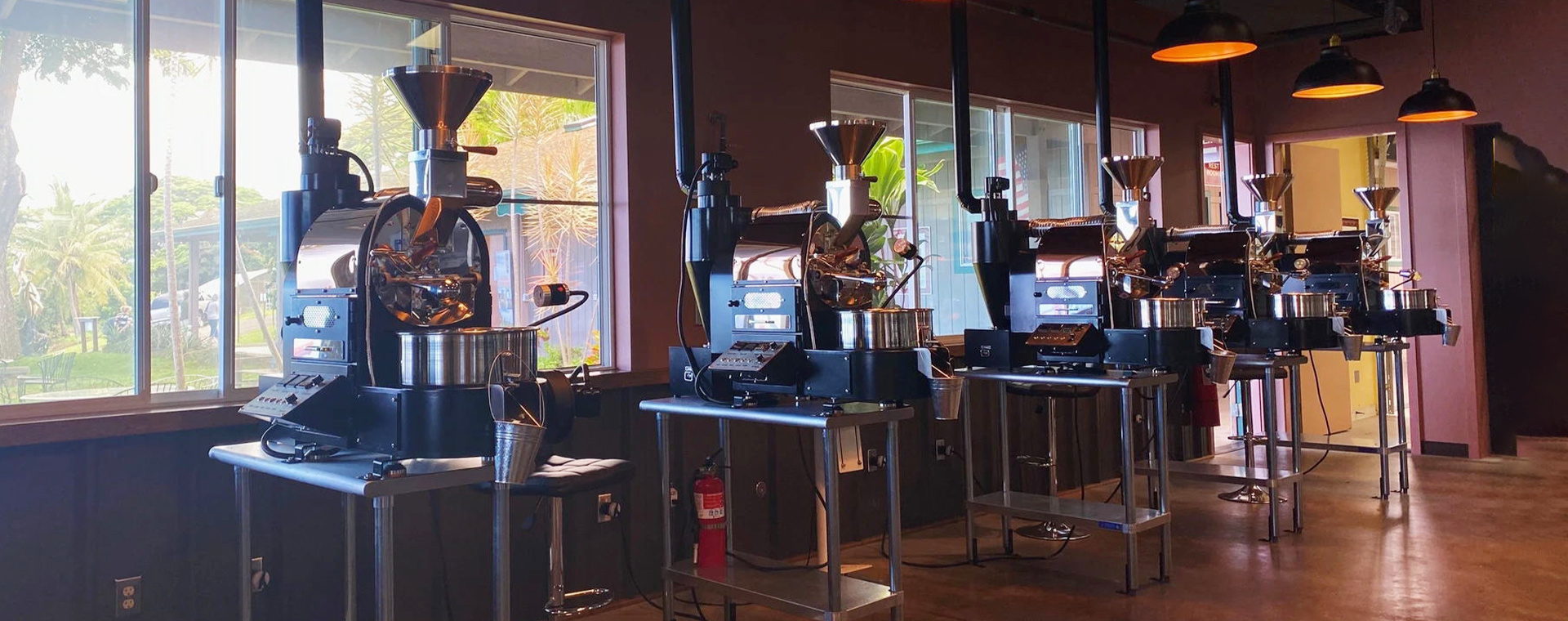
Gas coffee roasters use propane or natural gas as a heat source to roast coffee beans. This method is prevalent among both commercial and home roasters due to its ability to achieve consistent temperatures, allowing for a more controlled roasting process. The heat generated by gas provides an efficient way to develop the flavors and aromas of the beans, making it a preferred choice for many coffee enthusiasts.
2. The Advantages of Using Gas Coffee Roasters
One of the primary benefits of gas coffee roasters is their **efficiency**. They heat up quickly and can maintain high temperatures, which is essential for achieving an even roast. Additionally, gas roasting allows for greater control over the roasting environment. This method also tends to produce better flavor profiles compared to electric roasters, as the direct flame can create unique characteristics that highlight the beans' natural qualities.
3. How to Choose the Right Gas Coffee Roaster
Selecting the ideal gas coffee roaster can be overwhelming, especially for beginners. Here are some critical factors to consider:
3.1 Size and Capacity
The size of the roaster plays a significant role in your decision. If you're a home roaster, a smaller unit may suffice. However, if you plan to roast commercially, consider a larger machine that can handle higher capacities.
3.2 Features to Look For
When evaluating different models, look for features such as **temperature control**, **bean cooling systems**, and **smoke suppression**. Advanced models may also include digital controls that allow for precise adjustments, enhancing your roasting experience.
3.3 Budget Considerations
Gas coffee roasters come with various price tags. Determine your budget beforehand, and remember that investing in a quality roaster can enhance your coffee roasting journey in the long run. It’s often worth spending a bit more for a reliable and durable machine.
4. The Roasting Process: Step-by-Step Guide
Roasting coffee beans is both an art and a science. Here’s how to do it effectively:
4.1 Preparing Your Green Coffee Beans
Start with high-quality green coffee beans. Ensure that they are fresh and free from defects. Measure the amount you wish to roast, keeping in mind the capacity of your roaster.
4.2 Setting Up Your Gas Coffee Roaster
Before starting the roast, set up your gas coffee roaster according to the manufacturer's instructions. Ensure all safety precautions are in place. Turn on the gas and ignite the burner, allowing the roaster to preheat.
4.3 Monitoring the Roast
As the beans roast, monitor the color and smell. The roasting process typically goes through distinct stages: the **first crack**, where the beans expand and crack, and the **second crack**, which indicates a dark roast. Use a thermometer to keep track of the temperature, adjusting the gas flow as necessary.
5. Tips for Perfecting Your Roast
Achieving the perfect roast requires practice and patience. Here are some tips:
- **Experiment with time and temperature** to find the ideal roast profile for your beans.
- **Keep notes** on each roast to track what works best.
- **Taste frequently** to develop your palate and understand how different roasts affect flavor.
6. Maintenance and Care for Gas Coffee Roasters
Proper maintenance will extend the life of your gas coffee roaster. Regularly clean the roasting chamber and cooling tray to prevent build-up. Check gas lines for leaks and ensure that all components are functioning correctly. Following the manufacturer's maintenance schedule is crucial to keeping your roaster in top condition.
7. Common Problems and Solutions
Even experienced roasters encounter challenges. Here are some common issues:
- **Inconsistent roasting**: This can be due to uneven heat distribution. Ensure your gas flow is consistent and consider rotating the drum if applicable.
- **Burnt beans**: This often results from too high a temperature. Monitor your roasting closely and adjust as necessary.
- **Poor flavor**: If your coffee lacks flavor, it might be due to old beans or improper roasting times. Always use fresh beans and experiment with different roast profiles.
8. Frequently Asked Questions
Q1: What is the best gas coffee roaster for beginners?
A1: For beginners, a small to medium-sized gas roaster with basic features and user-friendly controls is ideal. Models like the **Behmor 2000AB** are often recommended.
Q2: How much does a gas coffee roaster cost?
A2: Prices vary widely, but you can expect to pay anywhere from $500 to several thousand dollars, depending on size and features.
Q3: Can I roast coffee beans indoors?
A3: It’s not advisable to roast coffee indoors due to smoke and strong odors. Always use a well-ventilated area outdoors.
Q4: How long does it take to roast coffee beans?
A4: The roasting process typically takes 10 to 20 minutes, depending on the desired roast level and equipment used.
Q5: What types of beans are best for roasting?
A5: High-quality Arabica beans are generally preferred for their flavor complexity, but Robusta beans can also be roasted for added body and caffeine.
9. Conclusion
In conclusion, gas coffee roasters offer a fantastic way to explore the world of coffee roasting. By understanding the advantages of gas roasting, selecting the right equipment, mastering the roasting process, and regularly maintaining your machine, you can elevate your coffee experience. With a bit of practice and experimentation, you’ll soon be able to enjoy coffee that’s roasted to your exact preferences, setting you on a path to becoming a skilled home roaster. Happy roasting!
Recommended

Phone/WhatsApp:
Email:
About Us
We are a real coffee roasting machine manufacturer, providing OEM and ODM services, we have established a series of brands with our own characteristics.
HUATAO GROUP
Leave Message
Expand your business with a trusted partner
SAF Coolest v1.3.1.2 设置面板 GDNSD-ZRUA-MDADE-ZZE
违禁词: 第一,最,一流,领先,独一无二,王者,龙头,领导者,极致,
无数据提示
Sorry, the current column is being updated, so stay tuned!