




China BlGGEST coffee roaster manufacter factory, l year exported up 2000sets to 35 world countries.
Ultimate Guide to Mastering Your Coffee with the PLC Gas Coffee Roaster
Time:
13 Apr,2026
Ultimate Guide to Mastering Your Coffee with the PLC Gas Coffee Roaster
Table of Contents
1. Introduction to Coffee Roasting
2. Understanding the Master PLC Gas Coffee Roaster
2.1 Key Features of the Master PLC Roaster
2.2 Why Choose Gas for Coffee Roasting?
3. Selecting the Right Green Coffee Beans
3.1 Types of Coffee Beans and Their Flavors
3.2 How to Source High-Quality Beans
4. Setting Up Your PLC Gas Coffee Roaster
4.1 Essential Equipment and Tools
4.2 Safety Precautions and Best Practices
5. Mastering the Roasting Process
5.1 The Roasting Stages Explained
5.2 Temperature Control and Profiles
6. Achieving Desired Flavor Profiles
6.1 Experimenting with Roast Levels
6.2 Impact of Bean Origin on Flavor
7. Cooling and Storing Your Roasted Coffee
7.1 Importance of Proper Cooling Techniques
7.2 Best Practices for Storing Coffee Beans
8. Frequently Asked Questions
9. Conclusion
1. Introduction to Coffee Roasting
Coffee roasting is an art form that transforms green coffee beans into the aromatic, flavorful coffee that many people love. The process involves heating the beans to specific temperatures to achieve the desired taste and aroma. With the right equipment, such as the **Master PLC Gas Coffee Roaster**, you can bring out unique flavors that elevate your coffee experience. This guide aims to explore the nuances of coffee roasting and how to perfect your craft using this state-of-the-art machine.
2. Understanding the Master PLC Gas Coffee Roaster
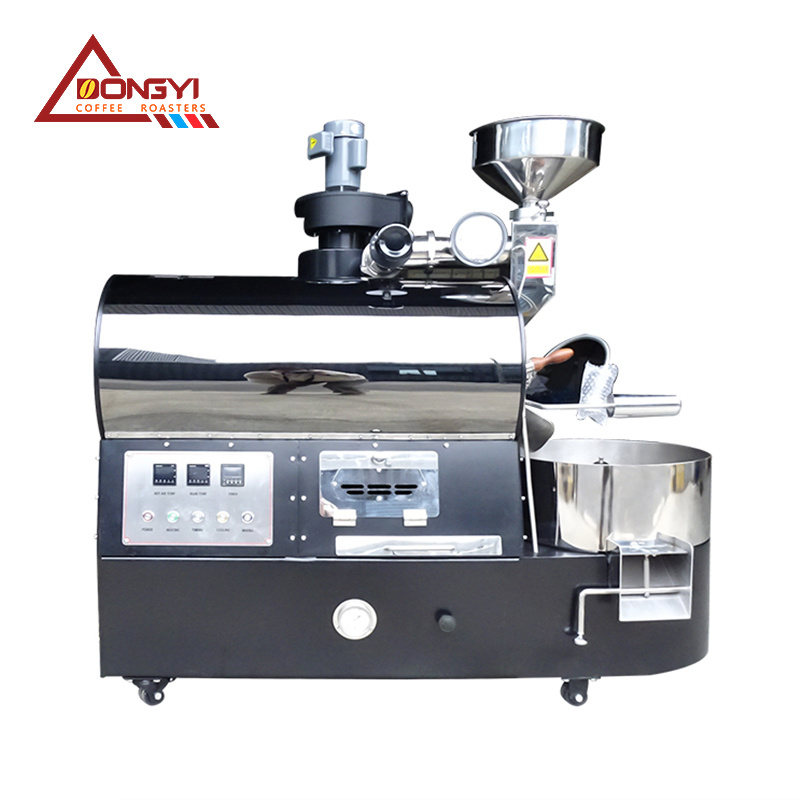
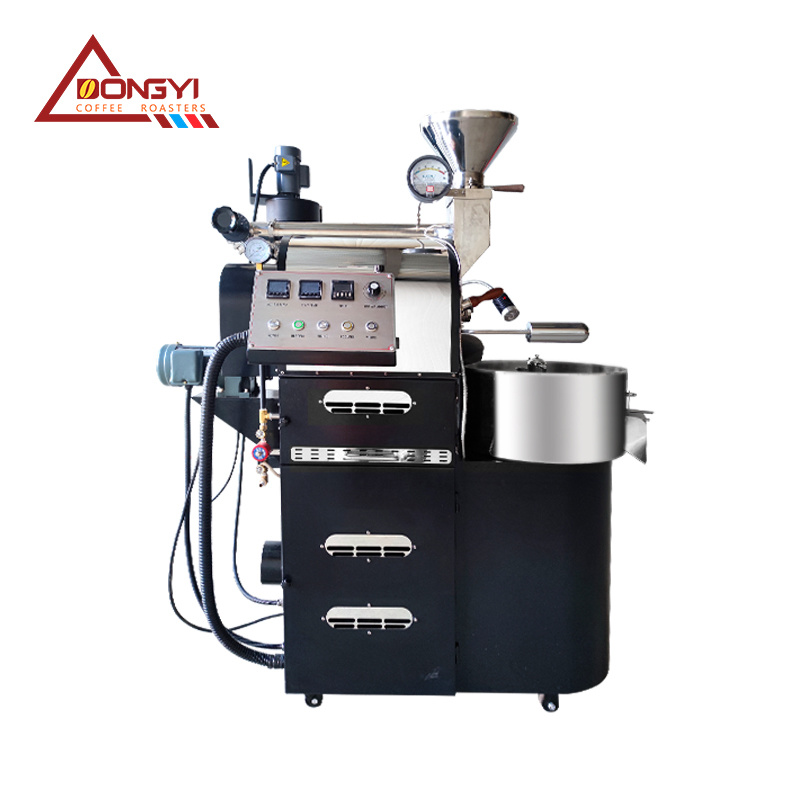
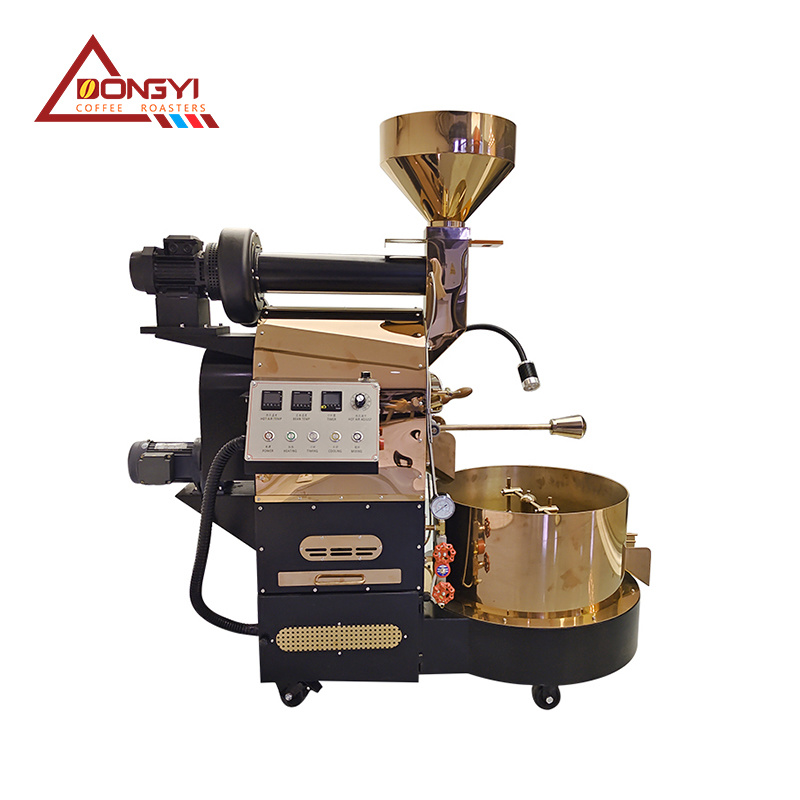
The **Master PLC Gas Coffee Roaster** is designed for both amateur and professional roasters who seek consistency and quality in their coffee. This section discusses the features and advantages of this roaster.
2.1 Key Features of the Master PLC Roaster
The Master PLC Roaster is equipped with advanced technology that allows for precise control over the roasting process. Key features include:
- **Programmable Roast Profiles**: Customize the roast profile to maintain consistency.
- **Digital Control Panel**: Easy-to-read interfaces for monitoring temperature and time.
- **Efficient Gas Usage**: Designed for optimal fuel consumption without compromising quality.
- **Robust Build Quality**: Durable materials ensure longevity and reliability.
2.2 Why Choose Gas for Coffee Roasting?
Gas roasting provides several benefits over electric roasting, including:
- **Faster Heat-Up Times**: Gas roasters typically heat up faster, allowing for quicker batch processing.
- **Better Control of Heat**: Gas allows for more immediate adjustments during the roasting process, which is essential for achieving specific flavor profiles.
- **Cost-Effective**: Gas can often be more economical in the long run, especially for larger operations.
3. Selecting the Right Green Coffee Beans
The quality of the coffee beans is crucial for the final product. This section will guide you through selecting the best green coffee beans.
3.1 Types of Coffee Beans and Their Flavors
There are primarily two types of coffee beans: Arabica and Robusta. Each offers distinct flavor profiles and characteristics.
- **Arabica**: Known for its sweet, soft taste and higher acidity. Ideal for gourmet coffee.
- **Robusta**: More bitter and stronger, often used in espresso blends for added body and crema.
3.2 How to Source High-Quality Beans
To ensure the best roasts, source your beans from reputable suppliers. Look for:
- **Direct Trade**: Sourcing directly from farmers ensures quality and ethical practices.
- **Certifications**: Seek beans with certifications such as Organic or Fair Trade.
4. Setting Up Your PLC Gas Coffee Roaster
Before you begin roasting, it's essential to set up your equipment correctly.
4.1 Essential Equipment and Tools
While the Master PLC Roaster is the main piece of equipment, you'll also need:
- **Roasting Log**: To record times, temperatures, and observations.
- **Thermometer**: For accurate temperature readings.
- **Cooling Tray**: To cool beans quickly post-roast.
4.2 Safety Precautions and Best Practices
Safety is paramount when roasting coffee. Follow these safety tips:
- **Ventilation**: Ensure proper ventilation to avoid smoke buildup.
- **Protective Gear**: Use heat-resistant gloves and eye protection.
- **Fire Safety**: Have a fire extinguisher nearby, as roasting can pose fire risks.
5. Mastering the Roasting Process
Understanding the roasting process is crucial for achieving your desired flavor.
5.1 The Roasting Stages Explained
Roasting occurs in several stages:
- **Drying Phase**: The beans lose moisture content.
- **Browning Phase**: Sugars caramelize, and flavors develop.
- **First Crack**: A significant auditory cue indicating the beans have reached a light roast.
- **Development Phase**: The final stage where flavors deepen before the roast is stopped.
5.2 Temperature Control and Profiles
Temperature control is vital for achieving specific roast levels. Here are some tips:
- **Light Roast**: Stop roasting just after the first crack, around 196°C (385°F).
- **Medium Roast**: Wait until the end of the first crack to around 205°C (401°F).
- **Dark Roast**: Extend the roast to reach the second crack, approximately 220°C (428°F).
6. Achieving Desired Flavor Profiles
The final taste of your coffee can be altered based on various factors.
6.1 Experimenting with Roast Levels
Different roast levels can highlight distinct flavor profiles. Experiment with light, medium, and dark roasts to determine your preferred taste.
6.2 Impact of Bean Origin on Flavor
The geographical origin of coffee beans significantly affects flavor. For example:
- **Ethiopian**: Often fruity and floral.
- **Colombian**: Balanced with mild acidity and nutty flavors.
7. Cooling and Storing Your Roasted Coffee
After roasting, it's crucial to cool and store your coffee beans properly.
7.1 Importance of Proper Cooling Techniques
Cooling the beans quickly prevents over-roasting and preserves flavor. This can be done using:
- **Air Cooling**: Use a cooling tray with ventilation.
- **Water Cooling**: Less common but effective for rapid cooling.
7.2 Best Practices for Storing Coffee Beans
To maintain freshness, store your roasted beans:
- **In an Airtight Container**: Prevents exposure to air and moisture.
- **In a Cool, Dark Place**: Avoid sunlight and heat.
8. Frequently Asked Questions
What is the best roast level for beginners?
A medium roast is generally recommended for beginners due to its balanced flavor profile.
How long should I roast my coffee beans?
Roasting time varies, typically ranging from 10 to 20 minutes, depending on the desired roast level and bean type.
Can I roast beans in small batches?
Yes, small batch roasting is achievable with the Master PLC Gas Coffee Roaster, allowing for experimentation with different beans.
What should I do if my beans are over-roasted?
If your beans are over-roasted, adjust your time and temperature settings in future roasts to prevent this.
How can I tell if my beans are fresh?
Freshly roasted coffee beans should have a rich aroma and a glossy appearance due to the oils on their surface.
9. Conclusion
Perfecting your coffee with the **Master PLC Gas Coffee Roaster** is a rewarding journey that blends science and art. By understanding the intricacies of the roasting process, selecting high-quality beans, and utilizing the advanced features of your roaster, you can create exceptional coffee tailored to your taste. Remember, practice and experimentation are key to mastering your roasting skills. Enjoy the process, and savor every cup of coffee you craft!
Recommended

Phone/WhatsApp:
Email:
About Us
We are a real coffee roasting machine manufacturer, providing OEM and ODM services, we have established a series of brands with our own characteristics.
HUATAO GROUP
Leave Message
Expand your business with a trusted partner
SAF Coolest v1.3.1.2 设置面板 GDNSD-ZRUA-MDADE-ZZE
违禁词: 第一,最,一流,领先,独一无二,王者,龙头,领导者,极致,
无数据提示
Sorry, the current column is being updated, so stay tuned!