




China BlGGEST coffee roaster manufacter factory, l year exported up 2000sets to 35 world countries.
The Science Behind Electric Roasting Machines and Flavor Profiles
Time:
11 May,2026
The Science Behind Electric Roasting Machines and Flavor Profiles
Table of Contents
- Understanding Electric Roasting Machines
- How Electric Roasting Machines Work
- The Chemistry of Coffee Roasting
- Flavor Profiles: From Bean to Brew
- Selecting the Right Electric Roasting Machine
- Maintenance Tips for Your Electric Roaster
- Common Issues and Troubleshooting
- FAQs: Everything You Need to Know
- Conclusion
Understanding Electric Roasting Machines
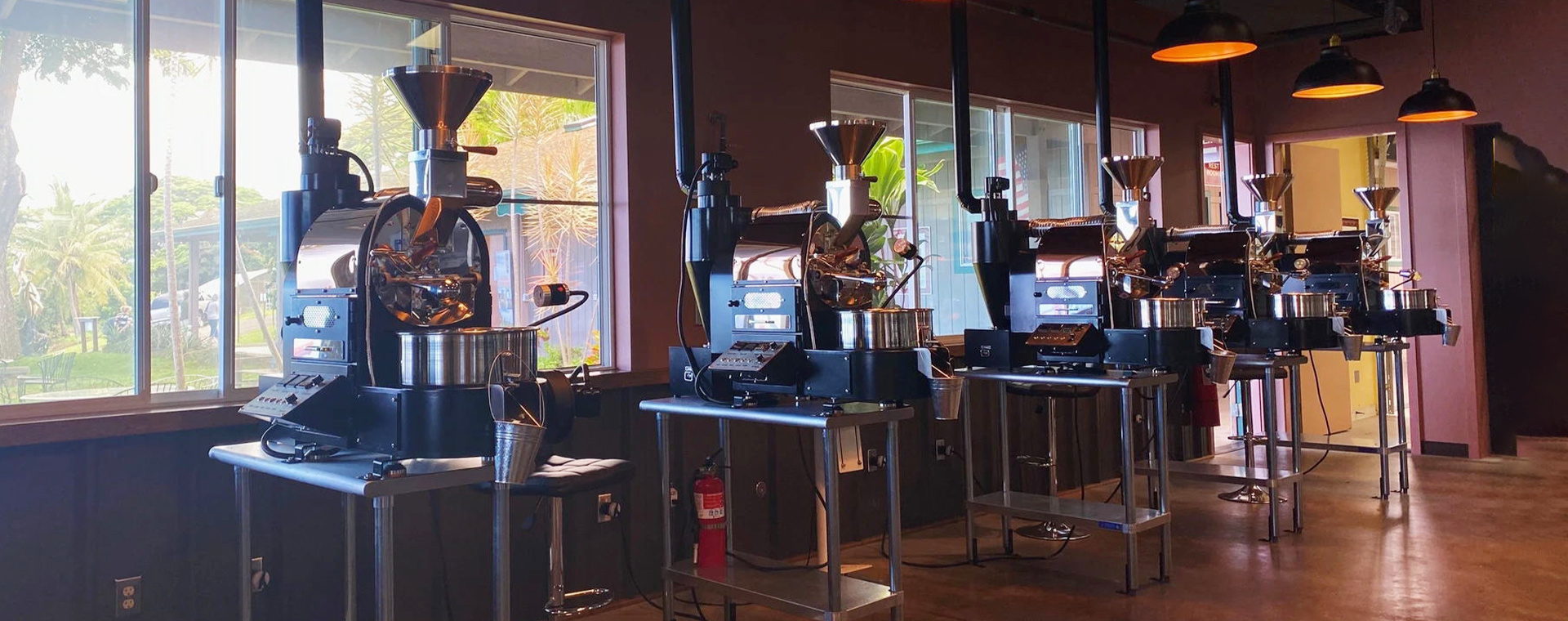
Electric roasting machines have revolutionized the way coffee enthusiasts and professionals roast coffee beans. These machines provide a controlled environment that allows for precision roasting, which is crucial for achieving the desired flavor profiles. Unlike traditional roasting methods, electric roasters offer consistency and reproducibility, making them popular among both amateurs and seasoned baristas.
Electric roasters come in various sizes, from small home machines to industrial models used in coffee shops. Their design often incorporates features such as adjustable temperature settings, timers, and cooling mechanisms, allowing users to customize their roasting processes according to their preferences.
How Electric Roasting Machines Work
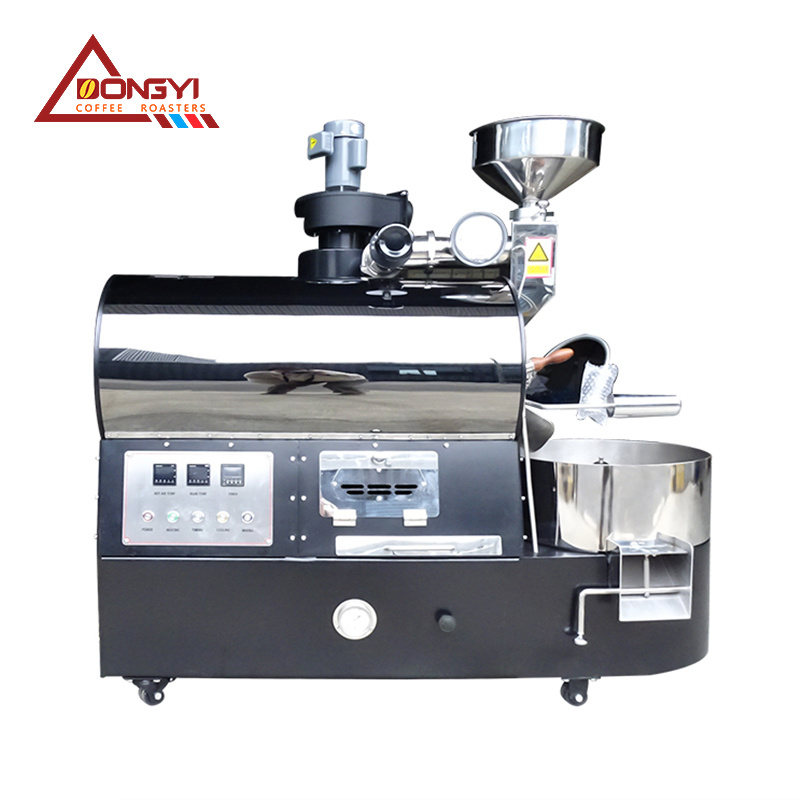
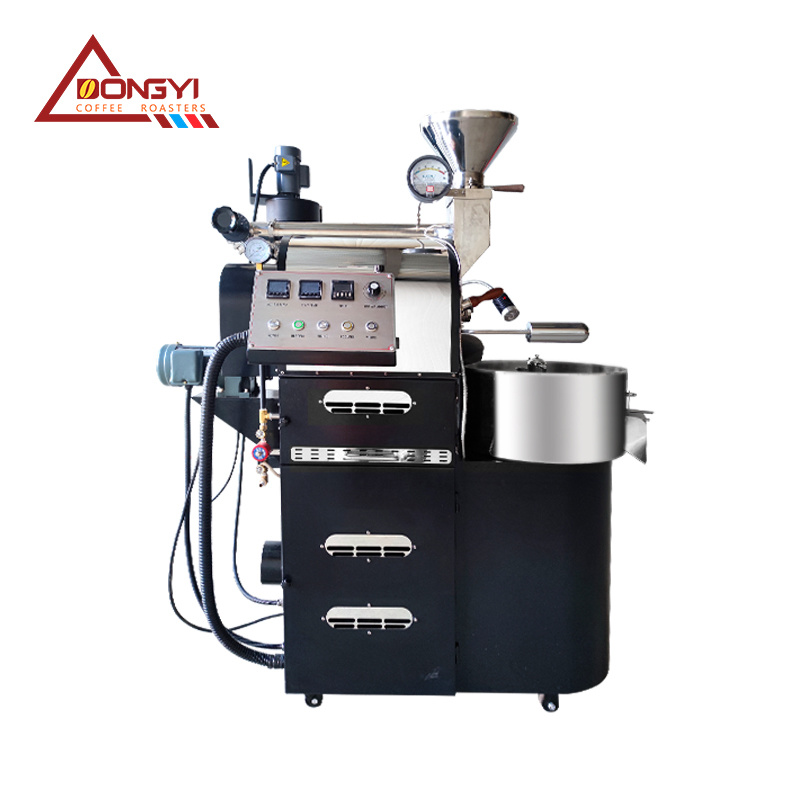
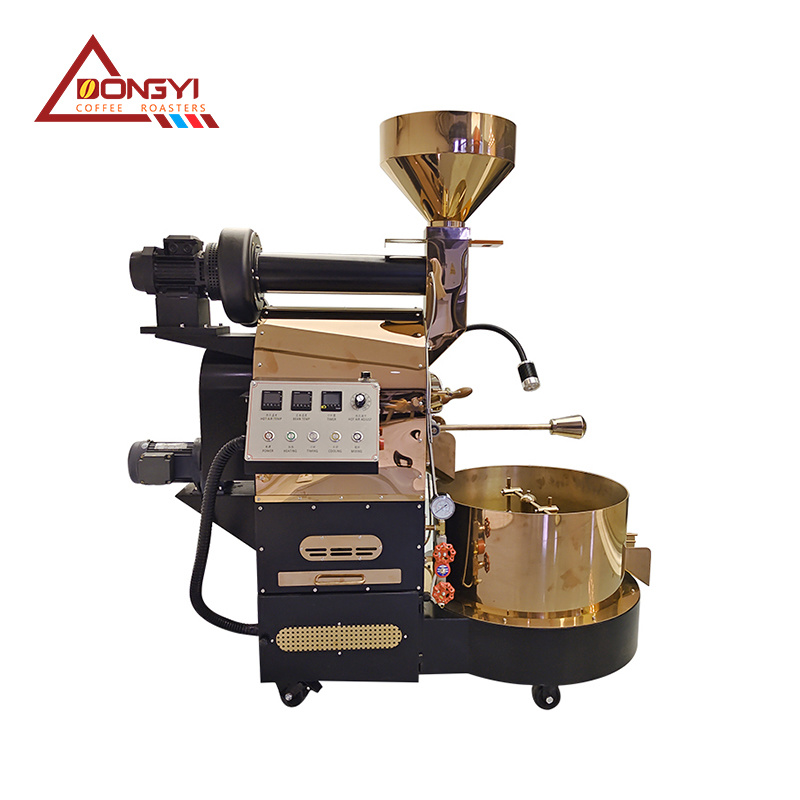
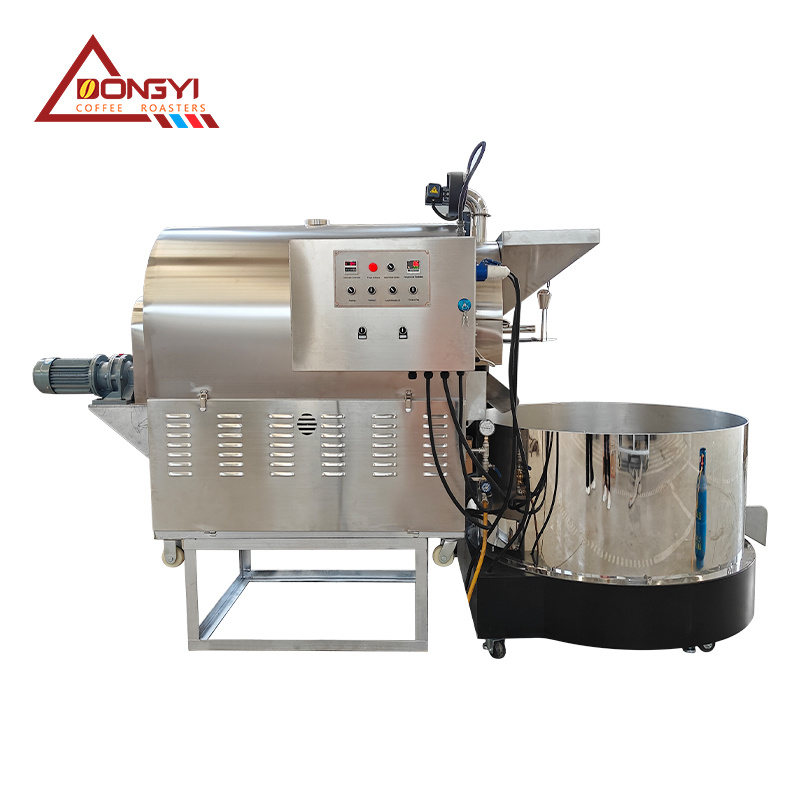
Electric roasting machines utilize a combination of heat and airflow to roast coffee beans. The primary components of these machines include a heating element, a drum or fluid bed, and a cooling system.
Heating Element
The heating element is responsible for generating the heat required to roast the beans. It can be electric coils or infrared radiation, depending on the machine's design. Most electric roasters allow users to adjust the temperature, typically ranging from 300°F to 500°F, to suit different roasting profiles.
Drum vs. Fluid Bed Roasting
There are two main types of electric roasting machines: drum roasters and fluid bed roasters. Each method has its advantages and impacts the final flavor profile of the coffee.
1. **Drum Roasters**: These machines rotate coffee beans within a drum heated by the heating element. The constant movement ensures even roasting, allowing for caramelization of sugars and development of unique flavors.
2. **Fluid Bed Roasters**: These machines use hot air to lift and circulate the beans, creating a fluid-like motion. This method often results in a brighter flavor profile, as it tends to produce a lighter roast.
The Chemistry of Coffee Roasting
Understanding the chemistry behind coffee roasting is essential for unlocking the complex flavors in your brew. The roasting process involves several chemical reactions that transform the green coffee beans.
Maillard Reaction
One of the key reactions during roasting is the Maillard reaction, which occurs when sugars and amino acids in the beans react under heat. This reaction is responsible for the browning of the beans and the development of rich flavors and aromas.
Caramelization
As the temperature rises, the sugars in the beans begin to caramelize, adding depth and sweetness to the flavor profile. The degree of caramelization depends on the roasting temperature and duration, affecting the final taste of the coffee.
Development Time
The development time during roasting is critical. It refers to the time after the first crack, where the flavors continue to evolve. A longer development time can lead to richer, more complex flavors, while shorter times yield brighter and more acidic notes.
Flavor Profiles: From Bean to Brew
Every coffee bean has a unique flavor profile influenced by various factors such as origin, altitude, and processing methods. Roasting plays a significant role in enhancing these flavors.
Light Roast vs. Dark Roast
The roast level significantly affects the flavor profile of the coffee.
- **Light Roasts**: Retain more of the bean's original flavor characteristics. They tend to have higher acidity, fruity notes, and a lighter body.
- **Dark Roasts**: Develop more robust flavors with notes of chocolate, nuts, and caramel due to the extended roasting time, which often leads to a reduction in acidity.
Regional Flavor Characteristics
Different coffee-growing regions impart distinct flavors to the beans. For example, Ethiopian coffees often exhibit floral and fruity notes, while Colombian coffees may have a nutty and chocolatey profile. Electric roasting machines allow roasters to enhance these regional characteristics, resulting in a unique cup of coffee.
Selecting the Right Electric Roasting Machine
Choosing the right electric roasting machine involves considering several factors that align with your specific needs and preferences.
Capacity
Evaluate how much coffee you typically roast. If you’re a home enthusiast, smaller machines with a capacity of 1 to 2 pounds may suffice. However, coffee shops or serious hobbyists might require larger models capable of roasting up to 5 pounds or more at once.
Control Features
Look for machines that offer precise temperature control and programmable settings. Advanced models may include features like profiles that allow users to save specific roasting parameters for consistency.
Portability
If you plan to use the roaster in different locations or at events, consider a lightweight and compact model. Some electric roasters are designed for easy transport, making them ideal for demonstrations or competitions.
Maintenance Tips for Your Electric Roaster
Proper maintenance of your electric roasting machine is vital for ensuring its longevity and performance. Regular cleaning and care can prevent unwanted flavors from developing and ensure consistent roasting results.
Cleaning After Each Use
After every roasting session, allow the machine to cool before cleaning it. Remove any chaff and residue from the roasting chamber to prevent buildup, which can affect future roasts.
Regular Inspections
Periodically check the electrical components of the machine to ensure they are in good working condition. Look for any signs of wear or damage and address them promptly to avoid malfunctioning during roasting.
Common Issues and Troubleshooting
Like any appliance, electric roasting machines may encounter issues over time. Recognizing common problems and knowing how to address them can save you time and frustration.
Uneven Roasting
If your beans are roasting unevenly, it may be due to improper loading or airflow issues. Ensure that the roasting chamber is not overcrowded and that the airflow settings are optimized for even distribution.
Burnt Flavor
A burnt flavor can arise from overly high temperatures or prolonged roasting times. Pay close attention to the roasting profile and adjust the temperature or timing accordingly to prevent scorching the beans.
Machine Not Heating
If your machine fails to heat up, check the power source and ensure the machine is properly plugged in. If the issue persists, it may require professional servicing or replacement of the heating element.
FAQs: Everything You Need to Know
1. What is the ideal temperature for roasting coffee beans?
The ideal roasting temperature ranges from 300°F to 500°F, depending on the desired roast level and flavor profile.
2. How long does it take to roast coffee beans in an electric roaster?
Roasting times typically range from 10 to 20 minutes, depending on the machine and the roast level you are aiming for.
3. Can I roast different types of beans in the same batch?
It is generally recommended to roast beans of similar sizes and moisture content together for even roasting.
4. What are the benefits of using an electric roaster over a stovetop roaster?
Electric roasters provide greater control over temperature and airflow, ensuring consistent results. They also require less hands-on attention compared to stovetop methods.
5. How do I store roasted coffee beans?
Store roasted coffee beans in an airtight container in a cool, dark place. Avoid exposure to light, air, and moisture to preserve freshness.
Conclusion
Understanding the science behind electric roasting machines and their impact on flavor profiles is essential for any coffee enthusiast. From the intricate chemistry of coffee roasting to the selection of the right machine, every aspect plays a critical role in crafting the perfect brew. By gaining knowledge about these processes, individuals can enhance their coffee experience, experimenting with various roast levels and flavor profiles. Whether you're a home brewer or a professional barista, investing in a quality electric roasting machine will pay off with every delightful cup of coffee you create.
Recommended

Phone/WhatsApp:
Email:
About Us
We are a real coffee roasting machine manufacturer, providing OEM and ODM services, we have established a series of brands with our own characteristics.
HUATAO GROUP
Leave Message
Expand your business with a trusted partner
SAF Coolest v1.3.1.2 设置面板 GDNSD-ZRUA-MDADE-ZZE
违禁词: 第一,最,一流,领先,独一无二,王者,龙头,领导者,极致,
无数据提示
Sorry, the current column is being updated, so stay tuned!