



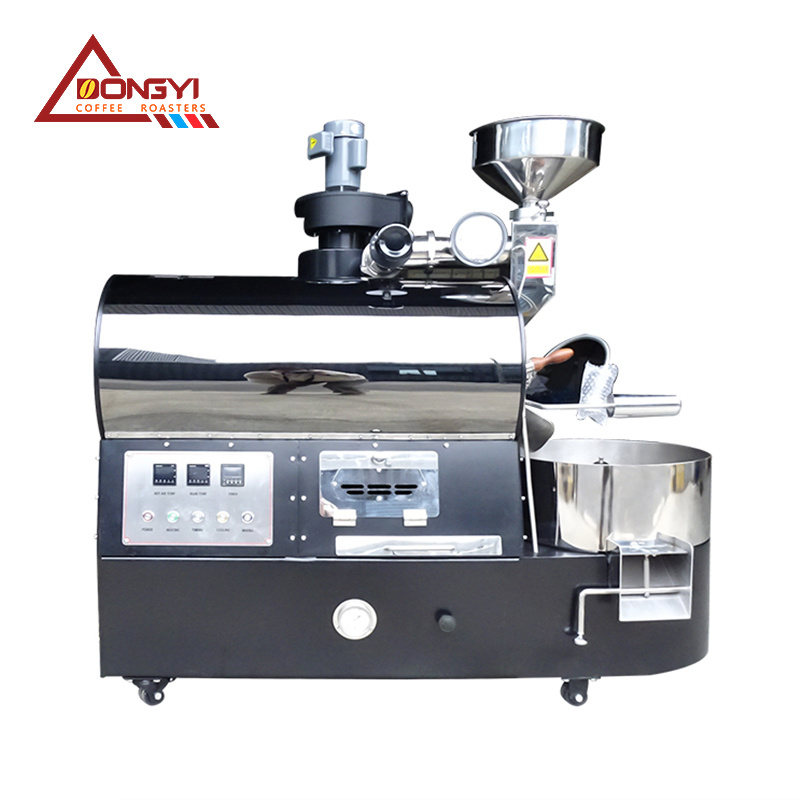
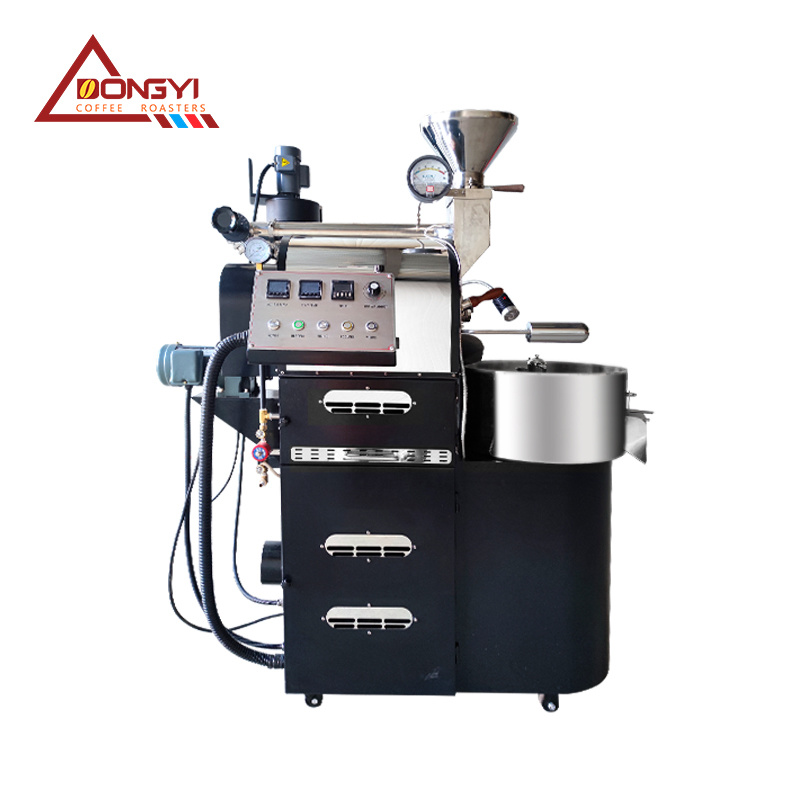
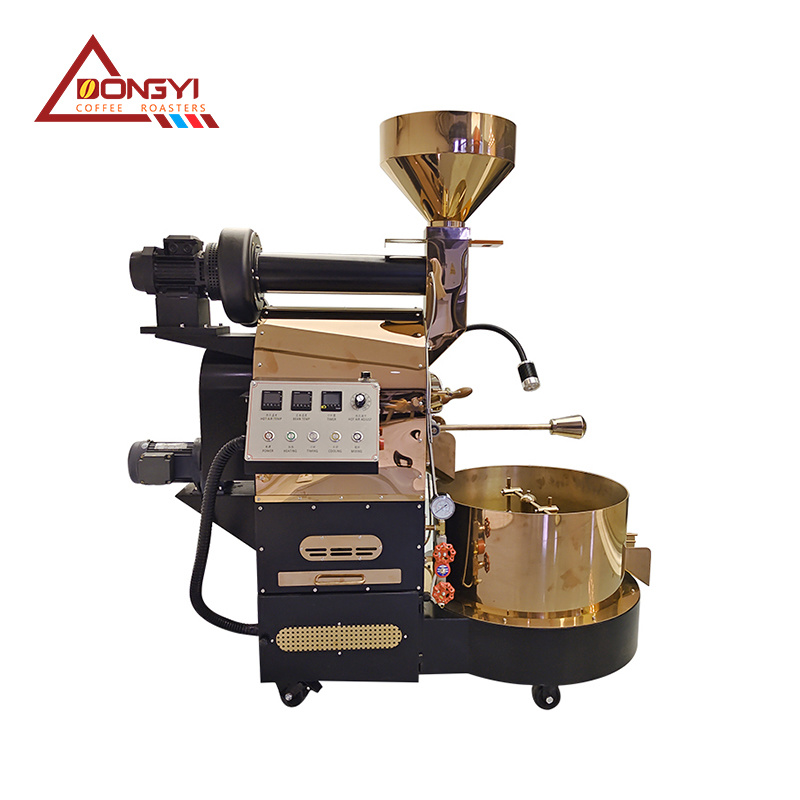

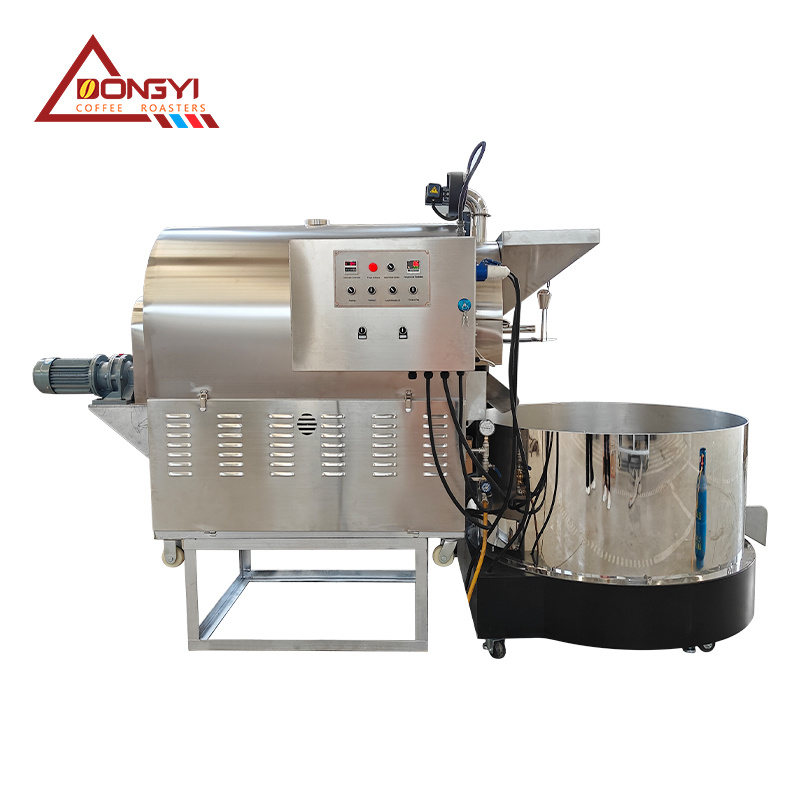
China BlGGEST coffee roaster manufacter factory, l year exported up 2000sets to 35 world countries.
How to Optimize Your Coffee Roasting Process with a 60kg Machine
Time:
29 May,2026
How to Optimize Your Coffee Roasting Process with a 60kg Machine
Table of Contents
- Introduction to Coffee Roasting Optimization
- Understanding the Coffee Roasting Process
- The Importance of Using a 60kg Coffee Roasting Machine
- Pre-Roasting Preparations: Setting Up for Success
- Controlling Key Roasting Variables
- Monitoring Roasting Times and Temperatures
- Post-Roasting Techniques for Quality Assurance
- Frequently Asked Questions
- Conclusion: Mastering the Art of Coffee Roasting
Introduction to Coffee Roasting Optimization
Optimizing your coffee roasting process is crucial in the competitive world of coffee production. With a **60kg coffee roasting machine**, you have the capacity to produce large batches of high-quality coffee, but without the right techniques, even the best equipment cannot guarantee excellence. This article presents a comprehensive guide to refining your roasting process, ensuring that every batch is not only consistent in quality but also tailored to meet the demands of your market.
Understanding the Coffee Roasting Process
Roasting coffee involves transforming green beans into the aromatic, flavorful beans loved by coffee enthusiasts worldwide. The process is intricate, involving **chemical reactions** that develop the beans' flavors, aromas, and colors. Understanding the stages of roasting—from drying to development—is essential for optimizing your roasting process.
The Stages of Coffee Roasting
1. **Drying Stage**: The moisture content in green beans reduces, preparing them for the subsequent stages.
2. **Browning Stage**: As the temperature rises, sugars caramelize, contributing to the flavor development.
3. **Development Stage**: This final stage enhances the bean's complexity, producing the desired flavor profile.
By comprehensively understanding these stages, you can make informed decisions during the roasting process, leading to a better end product.
The Importance of Using a 60kg Coffee Roasting Machine
A **60kg coffee roasting machine** strikes an optimal balance between capacity and control. It allows roasters to produce a significant volume of coffee while still maintaining the nuances of each batch. This machine is ideal for both small to mid-sized coffee businesses looking to scale their operations without sacrificing quality.
Benefits of a 60kg Machine
- **Efficiency**: Higher throughput means more coffee roasted in less time, maximizing your operational efficiency.
- **Consistency**: With precise controls, you can replicate successful batches, ensuring your customers receive the same quality each time.
- **Flexibility**: Ideal for experimenting with different roast profiles, allowing you to cater to diverse customer preferences.
Pre-Roasting Preparations: Setting Up for Success
Successful coffee roasting begins long before the beans hit the machine. Proper pre-roasting preparations can significantly enhance the outcome. Here’s how to set yourself up for success.
Selecting Quality Green Beans
The quality of your green beans is paramount. Source beans from reputable suppliers, and consider factors such as **origin, altitude, and processing method**. Each characteristic influences the final flavor profile, so choose wisely based on your target market.
Machine Calibration and Maintenance
Regular maintenance and calibration of your **60kg roasting machine** ensure optimal performance. Clean the machine thoroughly, check for any mechanical issues, and calibrate temperature sensors to maintain accuracy. This attention to detail can prevent inconsistencies in your roasting process.
Controlling Key Roasting Variables
To achieve the desired flavor profile, controlling several critical variables during the roasting process is essential. These include:
Temperature Control
Maintaining the right temperature throughout the roasting process is crucial for flavor development. Use the machine's digital controls to set precise temperature profiles, adjusting as necessary based on the roast stage.
Airflow Management
Airflow plays a vital role in heat transfer and flavor retention. Increasing airflow during the drying stage can accelerate moisture removal, while reducing it during the development stage enhances flavor concentration. Experiment with different airflow settings to find what works best for your specific beans.
Roasting Time
The duration of the roast directly affects the flavor. Monitor roasting times closely, aiming for consistency with each batch. Utilize a timer to maintain a reliable schedule, adjusting based on feedback from cupping sessions.
Monitoring Roasting Times and Temperatures
Real-time monitoring of roasting times and temperatures is vital for optimizing your coffee roasting process.
Utilizing Technology for Monitoring
Investing in **roasting software** can help in tracking critical metrics throughout the roast. Many modern roasting machines come equipped with monitoring software that records data such as temperature changes and roast times, allowing for precise adjustments.
Cupping for Flavor Assessment
Conduct regular cupping sessions to evaluate the flavor profile of your roasted coffee. This practice helps in understanding how slight variations in time and temperature affect the final product, guiding you to refine your technique.
Post-Roasting Techniques for Quality Assurance
Once the roasting process is complete, the next steps are crucial in ensuring quality retention and flavor development.
Cooling the Coffee
Rapid cooling of the beans post-roast is essential to halt the roasting process and preserve the desired flavors. Utilize a cooling tray or a cooling cyclone attached to your roaster to achieve this efficiently.
Resting the Beans
Allowing roasted coffee beans to rest for a period after cooling can enhance their flavor profile. This resting period, often referred to as **de-gassing**, allows CO2 to escape, leading to a more balanced cup.
Proper Storage Techniques
Store roasted coffee beans in airtight containers away from light and moisture to maintain freshness. Consider using nitrogen-flushed bags or vacuum-sealed containers to prolong shelf life.
Frequently Asked Questions
1. What is the best temperature to roast coffee beans?
The ideal roasting temperature varies, typically ranging from 180°C to 240°C (356°F to 464°F), depending on the desired roast level.
2. How long should I roast coffee beans?
Roasting times can vary from 10 to 20 minutes, depending on the roast profile. Consistent monitoring is key to achieving the perfect roast.
3. Can I roast coffee beans at home using a 60kg machine?
While a 60kg machine is designed for commercial use, home roasters can experiment with smaller machines or stovetop methods to achieve similar results.
4. What role does humidity play in coffee roasting?
Humidity affects the drying stage of coffee roasting. High humidity can prolong drying times, while low humidity can accelerate them. Adjust your roasting parameters accordingly.
5. How can I tell if my coffee is roasted perfectly?
A perfectly roasted coffee should exhibit a balanced flavor profile, devoid of any burnt or sour notes. Cupping is an effective method for assessing roast quality.
Conclusion: Mastering the Art of Coffee Roasting
Optimizing your coffee roasting process with a **60kg machine** involves understanding the intricacies of the roasting stages, controlling key variables, and implementing effective post-roasting techniques. By focusing on quality beans, precise temperature and airflow control, and diligent monitoring, you can create exceptional coffee that stands out in a crowded market. Implement these strategies to enhance your roasting process and delight your customers with every cup.
Recommended

Phone/WhatsApp:
Email:
About Us
We are a real coffee roasting machine manufacturer, providing OEM and ODM services, we have established a series of brands with our own characteristics.
HUATAO GROUP
Leave Message
Expand your business with a trusted partner
SAF Coolest v1.3.1.2 设置面板 GDNSD-ZRUA-MDADE-ZZE
违禁词: 第一,最,一流,领先,独一无二,王者,龙头,领导者,极致,
无数据提示
Sorry, the current column is being updated, so stay tuned!