




China BlGGEST coffee roaster manufacter factory, l year exported up 2000sets to 35 world countries.
Discover the Art of Brewing with a Classical Coffee Roaster: A Comprehensive Guide
Time:
22 Jun,2026
Discover the Art of Brewing with a Classical Coffee Roaster
Table of Contents
- 1. Introduction to Classical Coffee Roasting
- 2. What is Coffee Roasting?
- 3. The Rich History of Coffee Roasting
- 4. Understanding Different Types of Coffee Roasters
- 5. The Coffee Roasting Process Explained
- 6. How to Choose the Right Coffee Roaster
- 7. Brewing Techniques for Perfect Coffee
- 8. Conclusion
1. Introduction to Classical Coffee Roasting
The art of coffee roasting is not just a craft; it's a passion that transforms humble green beans into aromatic, flavorful coffee. In this guide, we will delve into the intricacies of classical coffee roasting, offering insights into the various types of roasters, the roasting process, and the nuances that contribute to a remarkable cup of coffee.
2. What is Coffee Roasting?
Coffee roasting is the process of heating green coffee beans to create the distinct flavors and aromas associated with roasted coffee. During roasting, the beans undergo a series of complex chemical changes, resulting in a myriad of flavors. This transformation is crucial, as it determines the final taste profile, aroma, and color of the coffee.
3. The Rich History of Coffee Roasting
The origins of coffee roasting stretch back centuries, with evidence suggesting that coffee was first discovered in Ethiopia. The roasting process evolved over time, initially being performed over an open flame. As coffee gained popularity worldwide, various roasting methods emerged, leading to the development of modern coffee roasters that offer precision and control in the roasting process.
4. Understanding Different Types of Coffee Roasters
When it comes to coffee roasting, the type of roaster you choose can significantly influence the final product. Below, we explore the three primary types of coffee roasters you might consider for your brewing journey.
4.1. Drum Roasters
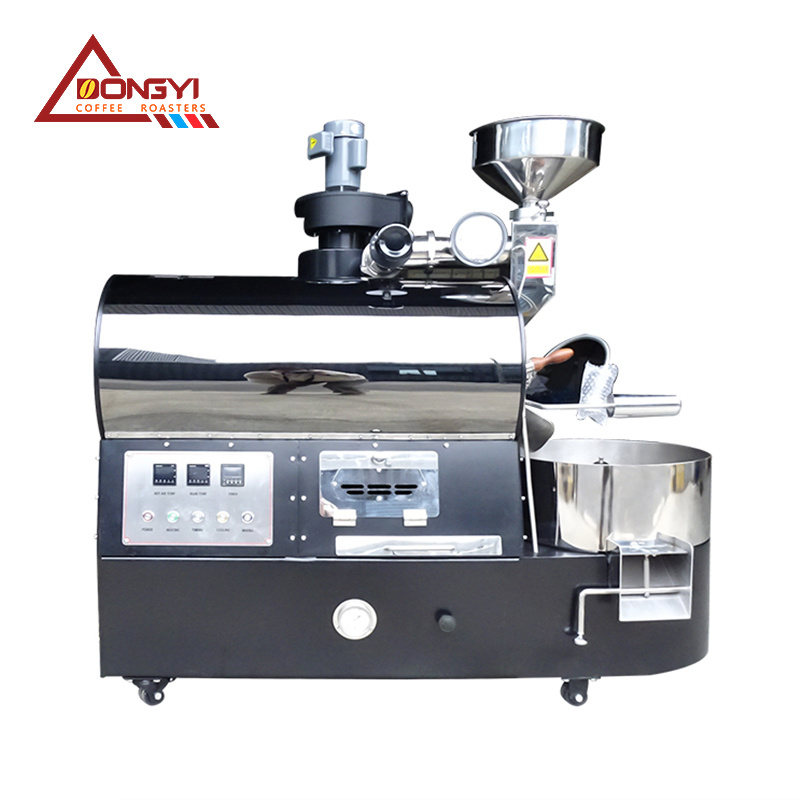
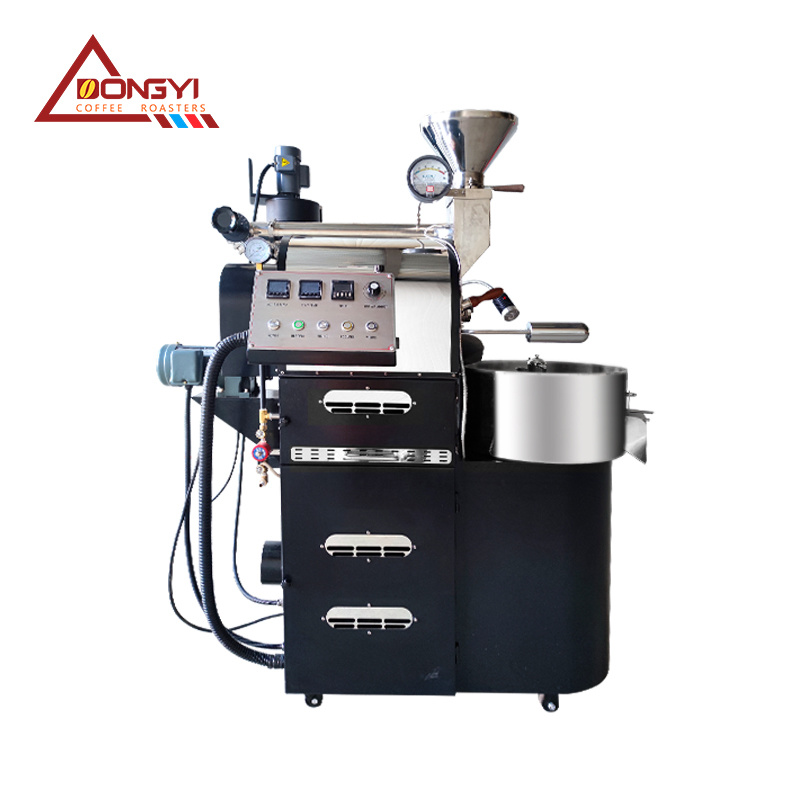
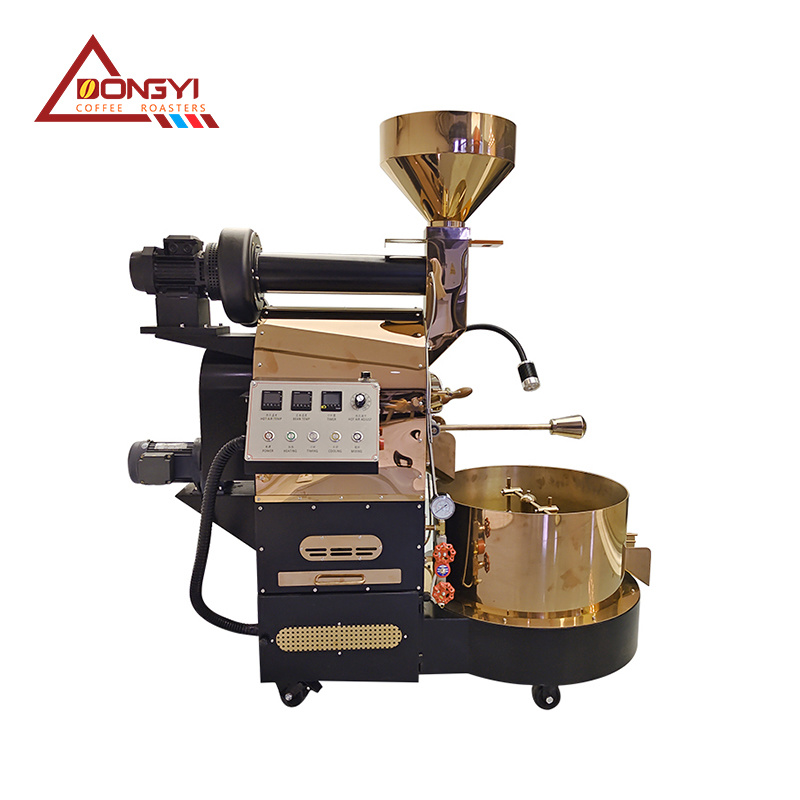
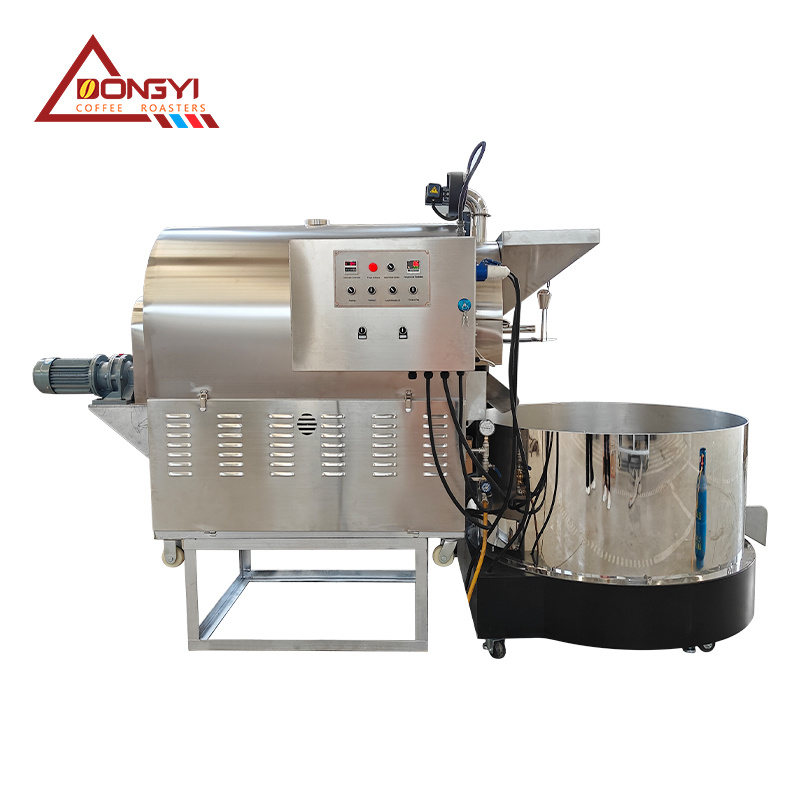
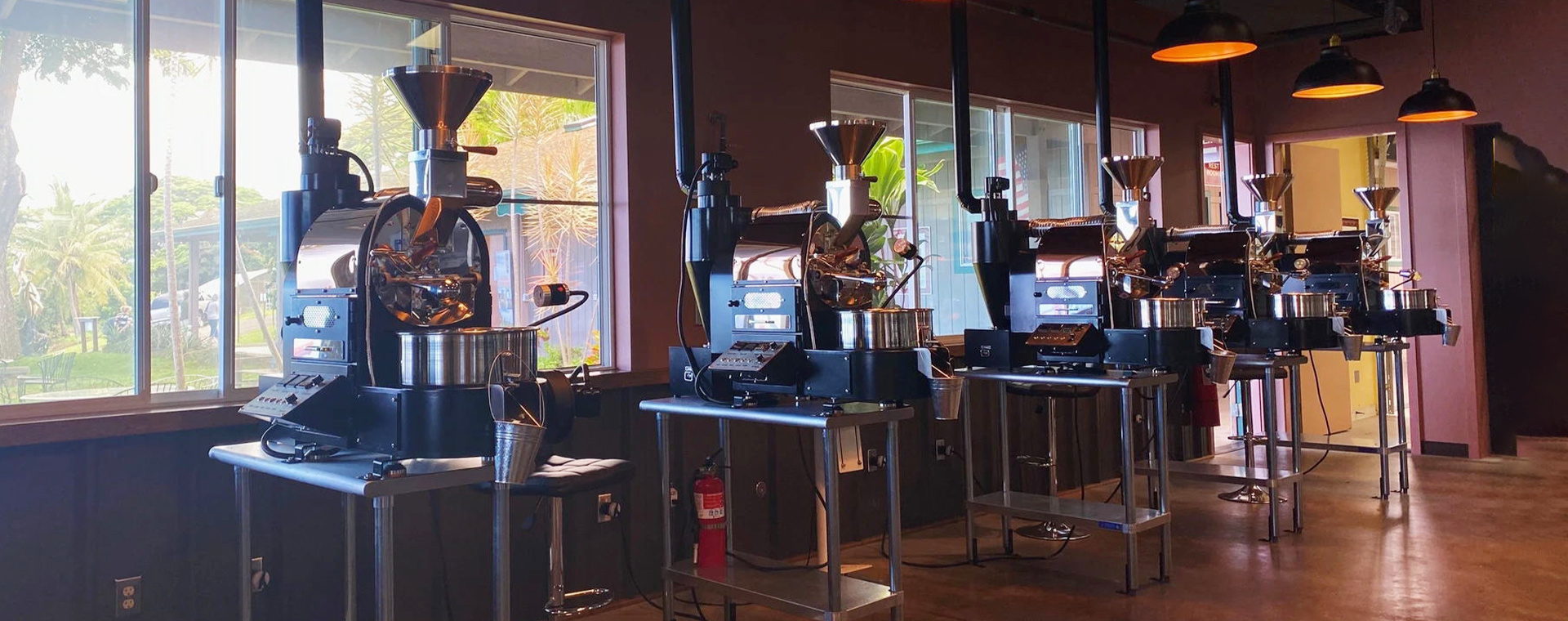
Drum roasters are popular among professional coffee roasters due to their ability to maintain consistent temperatures and provide even heat distribution. The design features a rotating drum that allows the beans to tumble as they roast, ensuring that all beans are uniformly exposed to heat. This method enhances the development of complex flavors and aromas.
4.2. Air Roasters
Air roasters, also known as fluid bed roasters, utilize hot air to roast the coffee beans. This method allows for rapid heat transfer and can produce a lighter roast profile. Air roasters are great for those who prefer a faster roasting process and a cleaner taste.
4.3. Home Coffee Roasters
Home coffee roasters are designed for individuals who want to experiment with roasting their coffee at home. These compact machines offer a user-friendly experience, enabling coffee enthusiasts to customize their roasting profiles based on personal preferences and taste.
5. The Coffee Roasting Process Explained
Understanding the coffee roasting process is vital for achieving the perfect roast. This section will break down the key stages involved in transforming green beans into roasted goodness.
5.1. From Green Bean to Roasted Perfection
The roasting process typically begins with the selection of high-quality green coffee beans. Once the beans are added to the roaster, they undergo several stages, including drying, browning, and development. Throughout these stages, the temperature and time are carefully controlled to achieve the desired roast level, whether it be light, medium, or dark.
5.2. The Impact of Roasting on Aroma and Flavor
Roasting not only changes the color of the beans but also intensifies their aromas and flavors. The Maillard reaction and caramelization during roasting create a diverse range of tastes, from fruity and floral to nutty and chocolatey. Understanding these flavor profiles can help you choose the right beans and roasting levels to match your palate.
6. How to Choose the Right Coffee Roaster
Selecting the right coffee roaster is crucial for crafting your ideal brew. Consider factors such as your roasting volume, desired roast level, and budget. For beginners, a home coffee roaster may be the best option, while experienced roasters might prefer the precision of a drum or air roaster.
7. Brewing Techniques for Perfect Coffee
Once you have roasted your coffee, the next step is to brew it. The brewing method you choose can dramatically impact the flavor and quality of your cup.
7.1. The Importance of Grind Size
The grind size of your coffee beans plays a critical role in extraction. Finer grinds are suitable for espresso, while coarser grinds work best for methods like French press. Experimenting with grind size allows you to find the perfect balance between strength and flavor extraction.
7.2. Ideal Water Temperature
Water temperature is another essential factor in brewing. The ideal temperature for brewing coffee typically ranges between 195°F to 205°F. Water that is too hot can extract undesirable flavors, while water that is too cool may result in under-extraction.
8. Conclusion
Mastering the art of brewing with a classical coffee roaster is a journey filled with exploration and enjoyment. From selecting the right beans to perfecting your roasting technique, every step contributes to the final cup. Whether you're an aspiring barista or simply a coffee lover, understanding the nuances of coffee roasting will enrich your coffee experience and allow you to savor each sip. Embrace the art of classical coffee roasting, and elevate your brewing skills to new heights.
FAQs
1. What is the best type of coffee roaster for beginners?
The best type of coffee roaster for beginners is typically a home coffee roaster, as they are user-friendly and designed for small batches.
2. How long does the coffee roasting process take?
The coffee roasting process can take anywhere from 10 to 20 minutes, depending on the desired roast level and the type of roaster used.
3. Can I roast coffee beans on the stovetop?
Yes, you can roast coffee beans on the stovetop using a pan, but it requires careful attention to prevent burning.
4. What factors influence the flavor of roasted coffee?
Factors that influence the flavor of roasted coffee include the type of beans, roast level, grind size, water temperature, and brewing method.
5. How should I store my roasted coffee beans?
Roasted coffee beans should be stored in an airtight container in a cool, dark place to maintain freshness and flavor. Avoid refrigeration, as moisture can spoil the beans.
Recommended

Phone/WhatsApp:
Email:
About Us
We are a real coffee roasting machine manufacturer, providing OEM and ODM services, we have established a series of brands with our own characteristics.
HUATAO GROUP
Leave Message
Expand your business with a trusted partner
SAF Coolest v1.3.1.2 设置面板 GDNSD-ZRUA-MDADE-ZZE
违禁词: 第一,最,一流,领先,独一无二,王者,龙头,领导者,极致,
无数据提示
Sorry, the current column is being updated, so stay tuned!