




China BlGGEST coffee roaster manufacter factory, l year exported up 2000sets to 35 world countries.
Decoding the Technology Behind a 60kg Coffee Roaster
Time:
02 Jul,2026
Decoding the Technology Behind a 60kg Coffee Roaster
Table of Contents
- Introduction to Coffee Roasting Technology
- Understanding Coffee Roasting
- Key Components of a 60kg Coffee Roaster
- The Role of Thermodynamics in Coffee Roasting
- Automation and Control Systems in Modern Roasters
- The Advantages of a 60kg Coffee Roaster
- Maintenance Tips for Longevity
- Conclusion
- Frequently Asked Questions
Introduction to Coffee Roasting Technology
Coffee roasting is an art and a science that requires a deep understanding of both the beans and the equipment used. A **60kg coffee roaster** stands as a centerpiece in any coffee roasting business, designed to handle large batches while maintaining consistency and quality. In this article, we will delve into the technology behind these machines, exploring their components, functionalities, and the innovations that shape the coffee roasting industry.
Understanding Coffee Roasting
Coffee roasting is the process of transforming green coffee beans into the aromatic beans we use to brew coffee. The roasting process involves applying heat to the beans, causing chemical changes that develop their flavor and aroma. This complex process can be broken down into several distinct stages, each crucial for achieving the desired roast profile.
The Stages of Coffee Roasting
1. **Drying Phase**: The initial stage, where moisture is removed from the beans.
2. **Maillard Reaction**: This stage involves the caramelization of sugars and the development of flavors.
3. **First Crack**: The moment when the beans expand and crack, indicating the transition to a light roast.
4. **Development Phase**: The final stage, where the roast is developed to the desired level, impacting flavor and aroma.
Understanding these stages is essential for effective use of a 60kg coffee roaster, enabling roasters to manipulate variables like temperature and time to achieve specific flavor profiles.
Key Components of a 60kg Coffee Roaster
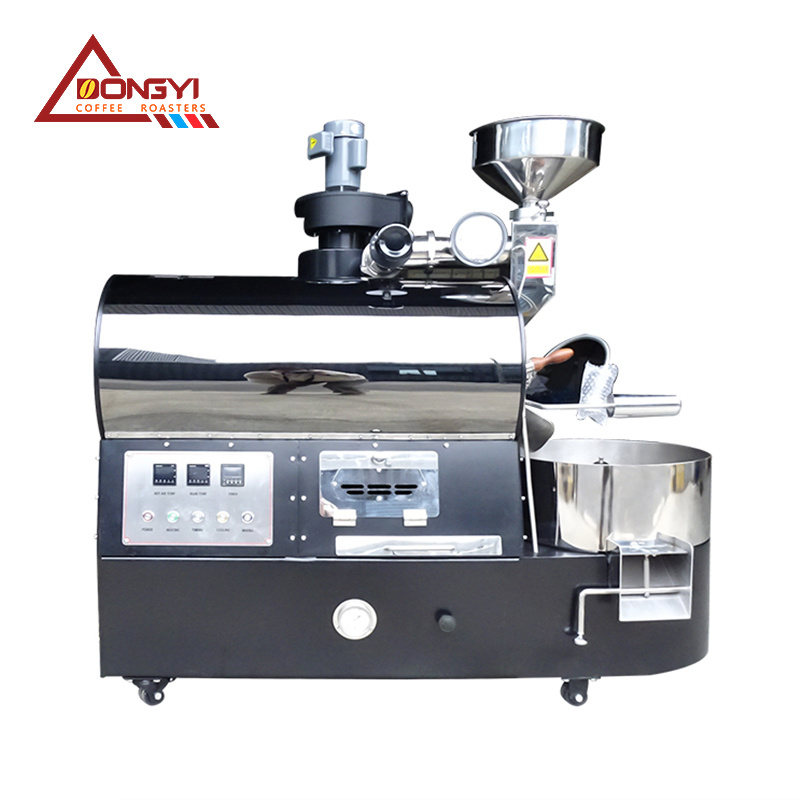
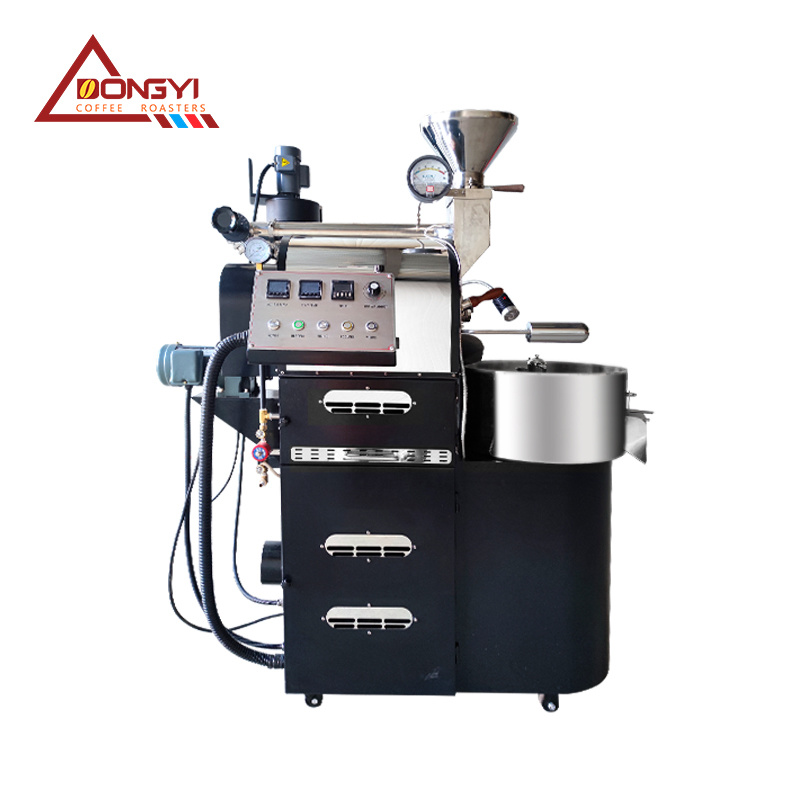
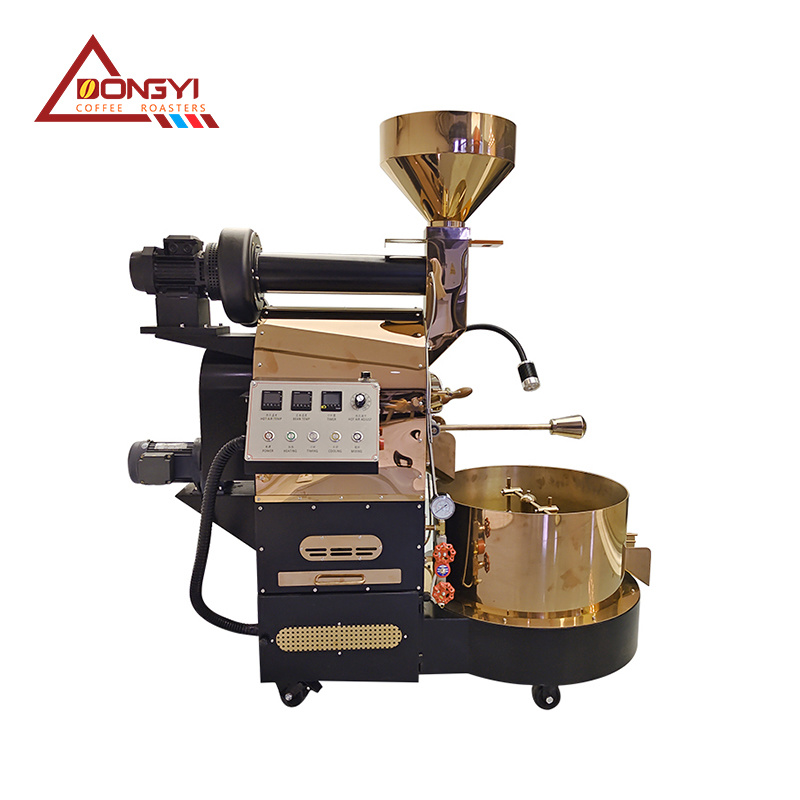
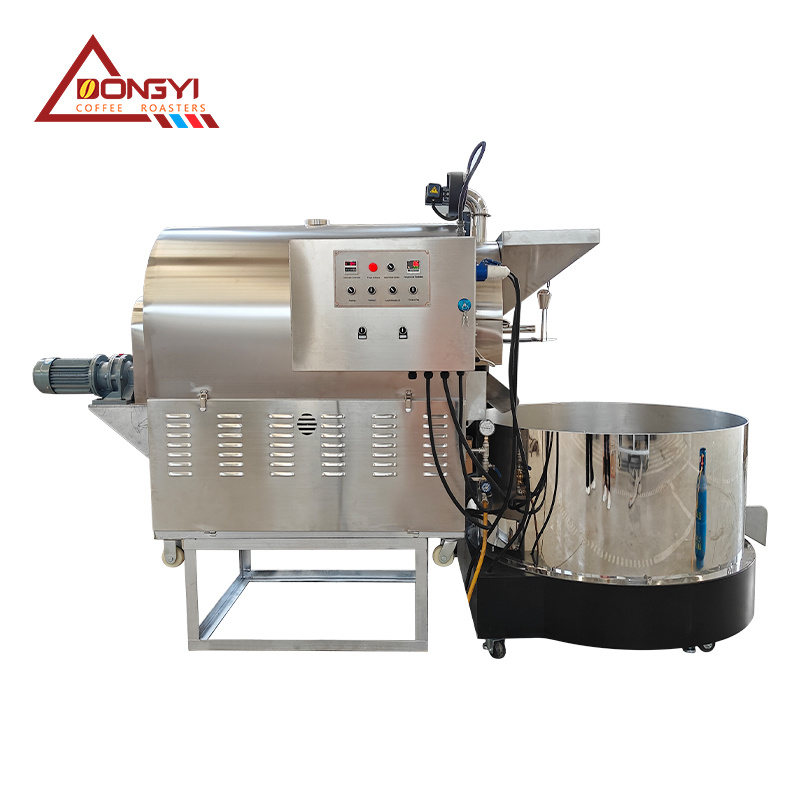
A 60kg coffee roaster is a complex machine made up of several key components, each playing a vital role in the roasting process.
The Roasting Drum
The roasting drum is the heart of the coffee roaster. Typically constructed from durable materials like stainless steel, it ensures even heat distribution and allows for efficient airflow. The drum's rotation ensures uniform roasting by moving the beans around, preventing burning and promoting even heating.
Heating System
Modern coffee roasters often utilize either direct or indirect heating systems. Direct heating uses flames or electric heat to warm the drum, while indirect systems use hot air. Both systems have their advantages, with direct heating providing faster roasting times and indirect heating offering more control over temperature.
Cooling Tray
After roasting, beans must be cooled quickly to halt the roasting process. A cooling tray with a fan system is essential for this, ensuring that heat is dissipated rapidly to preserve the roast profile.
Control Panel
The control panel is where the roaster operator can monitor and adjust settings such as temperature, time, and airflow. Advanced models feature digital displays and programmable profiles, allowing for precision roasting tailored to specific bean types.
Chaff Collector
As coffee beans roast, they shed chaff, a papery outer layer. A chaff collector captures this material, preventing it from contaminating the roast and ensuring a clean roasting environment.
The Role of Thermodynamics in Coffee Roasting
Understanding thermodynamics is crucial for mastering the coffee roasting process. Heat transfer, conduction, convection, and radiation all play significant roles in how beans absorb heat and develop flavor.
Conduction and Convection
- **Conduction** occurs when heat is transferred from the roasting drum to the coffee beans directly.
- **Convection** involves the movement of hot air around the beans, providing a more uniform heating method.
Properly balancing these two processes ensures that beans reach the desired internal temperature without burning the exterior.
Automation and Control Systems in Modern Roasters
Advancements in technology have revolutionized coffee roasting through automation. Many modern 60kg coffee roasters come equipped with sophisticated control systems that allow roasters to program specific profiles based on the type of beans being used.
Data-Driven Roasting
Some roasters feature built-in data logging capabilities, allowing operators to track temperature, time, and other variables. This data can be used to refine roasting profiles, ensuring consistency batch after batch.
Remote Monitoring
With the rise of smart technology, some coffee roasters now offer remote monitoring capabilities. Operators can adjust settings via smartphone applications, enhancing flexibility and convenience.
The Advantages of a 60kg Coffee Roaster
Investing in a 60kg coffee roaster provides numerous benefits for coffee roasting businesses, from improved efficiency to enhanced flavor profiles.
Increased Production Capacity
A 60kg capacity allows for the production of larger batches, making it ideal for commercial operations. This translates to reduced roasting times and increased output, essential for meeting demand.
Enhanced Flavor Consistency
With precision control over roasting parameters, operators can achieve consistent flavor profiles across batches. This consistency is crucial for brand identity and customer satisfaction.
Energy Efficiency
Modern coffee roasters are designed with energy efficiency in mind. Advanced heating systems and insulation help minimize energy consumption while maximizing output.
Maintenance Tips for Longevity
Maintaining a 60kg coffee roaster is essential for ensuring its longevity and performance. Here are some key maintenance tips:
Regular Cleaning
Keeping the roasting drum, cooling tray, and chaff collector clean is vital for preventing contamination and maintaining flavor integrity. Regular cleaning prevents the buildup of oils and residues that can affect subsequent batches.
Routine Inspections
Conduct routine inspections of all components, including the heating system, control panel, and electrical connections. Addressing minor issues before they become major problems can save time and money.
Calibration
Regularly calibrate the temperature and timing settings to ensure accuracy in your roasting profiles. This attention to detail helps maintain consistency and quality.
Conclusion
Understanding the technology behind a **60kg coffee roaster** is essential for anyone involved in the coffee roasting industry. From the intricate components to the thermodynamics at play, each aspect of the roaster contributes to the final product's quality. By investing in modern technology and adhering to best practices for maintenance, coffee roasters can achieve consistent, flavorful results that delight customers.
Frequently Asked Questions
What is the average roasting time for a 60kg coffee roaster?
The average roasting time can vary depending on the roast profile and bean type, but it typically ranges from 12 to 20 minutes.
How much coffee can a 60kg roaster produce in a day?
With optimal operation, a 60kg coffee roaster can produce anywhere from 240kg to 600kg of roasted coffee daily, depending on batch sizes and roasting times.
What maintenance is required for a coffee roaster?
Regular cleaning, inspections, and calibration of settings are crucial maintenance tasks to ensure optimal performance and longevity.
Can you roast different types of coffee beans in the same batch?
While it's possible, it is advisable to roast similar bean types together to ensure uniformity in flavor and roasting characteristics.
What are the benefits of using a digital control system in a coffee roaster?
Digital control systems allow for precise monitoring and adjustment of roasting parameters, ensuring consistency and facilitating data-driven decision-making in the roasting process.
Recommended

Phone/WhatsApp:
Email:
About Us
We are a real coffee roasting machine manufacturer, providing OEM and ODM services, we have established a series of brands with our own characteristics.
HUATAO GROUP
Leave Message
Expand your business with a trusted partner
SAF Coolest v1.3.1.2 设置面板 GDNSD-ZRUA-MDADE-ZZE
违禁词: 第一,最,一流,领先,独一无二,王者,龙头,领导者,极致,
无数据提示
Sorry, the current column is being updated, so stay tuned!