




China BlGGEST coffee roaster manufacter factory, l year exported up 2000sets to 35 world countries.
Roasting Profiles: How the Master PLC Gas Coffee Roaster Delivers Unique Flavors
Time:
20 Jul,2026
Roasting Profiles: How the Master PLC Gas Coffee Roaster Delivers Unique Flavors
Table of Contents
- 1. Introduction to Coffee Roasting
- 2. Understanding Roasting Profiles
- 3. The Role of the Master PLC Gas Coffee Roaster
- 4. How Gas Roasting Differs from Electric Roasting
- 5. Exploring Different Roasting Levels
- 6. The Science of Flavor Development
- 7. Practical Tips for Using the Master PLC Gas Coffee Roaster
- 8. Common Mistakes to Avoid in Coffee Roasting
- 9. Frequently Asked Questions
- 10. Conclusion
1. Introduction to Coffee Roasting
Coffee roasting is an intricate, multifaceted process that transforms green coffee beans into the aromatic, flavorful product that we enjoy in our cups. With the growing popularity of specialty coffee, understanding roasting profiles has become increasingly important for both hobbyists and professionals alike. The **Master PLC Gas Coffee Roaster** stands out as a premier tool for achieving consistent and unique flavors through precise control of roasting profiles.
2. Understanding Roasting Profiles
Roasting profiles refer to the specific parameters used during the roasting process, including temperature, time, and airflow. Each profile can significantly affect the taste, aroma, and body of the coffee. By manipulating these parameters, roasters can enhance specific flavor notes, which is essential for those who wish to highlight the characteristics of different bean varieties.
The Importance of Roasting Profiles
Each coffee bean carries its own unique flavor potential, influenced by its origin, processing method, and varietal. Roasting profiles allow roasters to unlock this potential, crafting distinctive flavor experiences. For example, a light roast may accentuate fruity and floral notes, while a darker roast can bring out chocolate and nutty flavors.
3. The Role of the Master PLC Gas Coffee Roaster
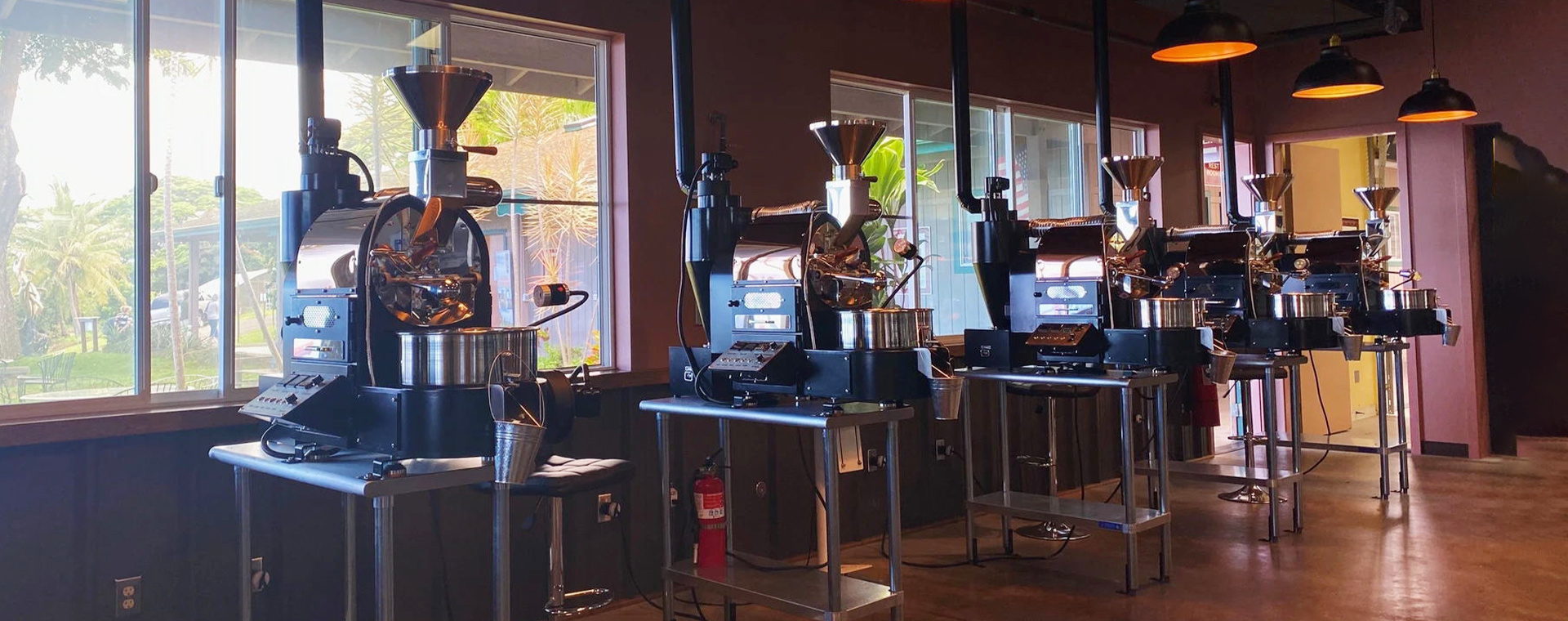
The **Master PLC Gas Coffee Roaster** is engineered to provide precise control over roasting profiles. It utilizes advanced technology, including a programmable logic controller (PLC), to monitor and adjust the roasting process in real-time. This ensures consistency across batches and allows for experimentation with various profiles.
Features of the Master PLC Gas Coffee Roaster
- **Programmable Settings**: Customizable profiles allow roasters to save and replicate successful roasting strategies.
- **Real-Time Monitoring**: Continuous feedback on temperature and airflow enables quick adjustments.
- **High Efficiency**: Gas roasting provides faster heat transfer compared to electric counterparts, leading to more even and controlled roasts.
4. How Gas Roasting Differs from Electric Roasting
Gas roasting offers several advantages over electric roasting, particularly in terms of flavor development and control.
Key Differences
- **Heat Transfer**: Gas roasters provide more immediate heat, allowing for rapid changes to roasting conditions.
- **Flavor Complexity**: The ability to create a flame allows for greater depth in flavor profiles, making it ideal for specialty coffees.
- **Energy Efficiency**: Gas roasters often consume less energy than electric roasters, making them a more sustainable option for coffee roasters.
5. Exploring Different Roasting Levels
Roasting levels are typically categorized into light, medium, and dark roasts, each offering distinct flavor profiles.
Light Roasts
Light roasts emphasize the original characteristics of the coffee bean, resulting in bright acidity and pronounced flavors. They generally have a lighter body and feature floral or fruity notes.
Medium Roasts
Medium roasts strike a balance between acidity and body, offering a smooth, well-rounded flavor profile. They typically feature caramelization, bringing out sweetness and nutty flavors.
Dark Roasts
Dark roasts have a bold, robust flavor with a heavier body. The roasting process caramelizes the sugars, resulting in rich chocolate and smoky notes.
6. The Science of Flavor Development
Understanding flavor development during roasting is crucial for crafting unique tasting profiles. The Maillard reaction, for instance, occurs when amino acids and sugars react under heat, creating complex flavors and aromas.
Key Flavor Compounds
- **Acids**: Contribute to brightness and liveliness in coffee.
- **Sugars**: Develop sweetness, balancing acidity and bitterness.
- **Oils**: Released during the roasting process, they enhance aroma and mouthfeel.
7. Practical Tips for Using the Master PLC Gas Coffee Roaster
Here are some best practices for maximizing the capabilities of the Master PLC Gas Coffee Roaster:
Monitoring Temperature
Continuously monitor the temperature throughout the roasting process to ensure consistency. Utilize the programmable settings to create profiles tailored to specific bean types.
Experimenting with Profiles
Don’t be afraid to experiment! Adjust profiles to discover new flavors and aromas. Keep detailed notes for future reference.
Maintaining Equipment
Regular maintenance of the roaster is essential for optimal performance. Clean the roasting chamber and ensure that gas lines are clear to avoid inconsistencies.
8. Common Mistakes to Avoid in Coffee Roasting
Even seasoned roasters can fall prey to common pitfalls. Here are several mistakes to avoid:
Ignoring Bean Quality
Always start with high-quality green beans. The quality of the raw material significantly influences the final product.
Overlooking the Importance of Timing
Timing is critical in roasting. Failing to adhere to the ideal roast time can lead to off-flavors or underdeveloped profiles.
Neglecting Record-Keeping
Effective record-keeping of roasting profiles and outcomes is essential for refining techniques and achieving consistency.
9. Frequently Asked Questions
What is a roasting profile?
A roasting profile is the specific combination of temperature, time, and airflow settings used during the coffee roasting process to achieve desired flavor characteristics.
How does the Master PLC Gas Coffee Roaster enhance flavor?
The Master PLC Gas Coffee Roaster allows precise control of roasting parameters, enabling roasters to unlock the unique flavors inherent in different coffee beans.
Can I use the Master PLC for different roast levels?
Yes, the Master PLC Gas Coffee Roaster is versatile and can be programmed to achieve light, medium, or dark roasts, depending on your preferences.
What makes gas roasting superior to electric roasting?
Gas roasting provides faster heat transfer, greater control over flavor development, and often results in a richer, more complex flavor profile.
How do I start experimenting with different roasting profiles?
Begin by using small batches of various bean types. Adjust one parameter at a time—such as temperature or time—and document the results for future reference.
10. Conclusion
The Master PLC Gas Coffee Roaster is a powerful tool for coffee enthusiasts looking to explore the depths of flavor that different roasting profiles can offer. By mastering the art and science of roasting, you not only enhance your own coffee experience but also gain the ability to create unique, flavorful brews that can elevate any coffee occasion. Whether you are a seasoned roaster or just starting, understanding roasting profiles will allow you to unlock the full potential of your coffee beans, delivering an exceptional cup every time.
Recommended

Phone/WhatsApp:
Email:
About Us
We are a real coffee roasting machine manufacturer, providing OEM and ODM services, we have established a series of brands with our own characteristics.
HUATAO GROUP
Leave Message
Expand your business with a trusted partner
SAF Coolest v1.3.1.2 设置面板 GDNSD-ZRUA-MDADE-ZZE
违禁词: 第一,最,一流,领先,独一无二,王者,龙头,领导者,极致,
无数据提示
Sorry, the current column is being updated, so stay tuned!