



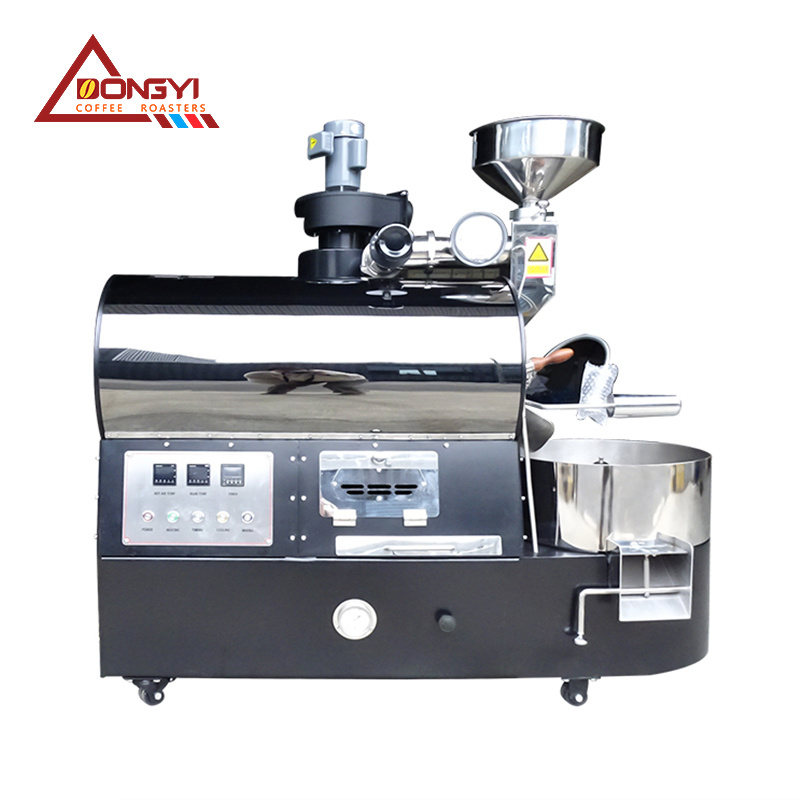
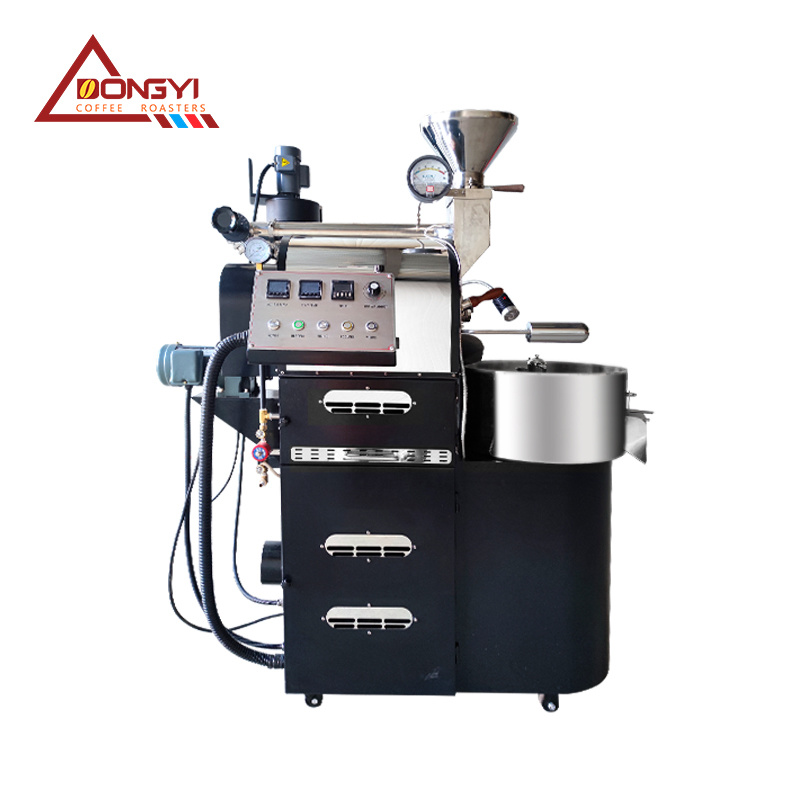
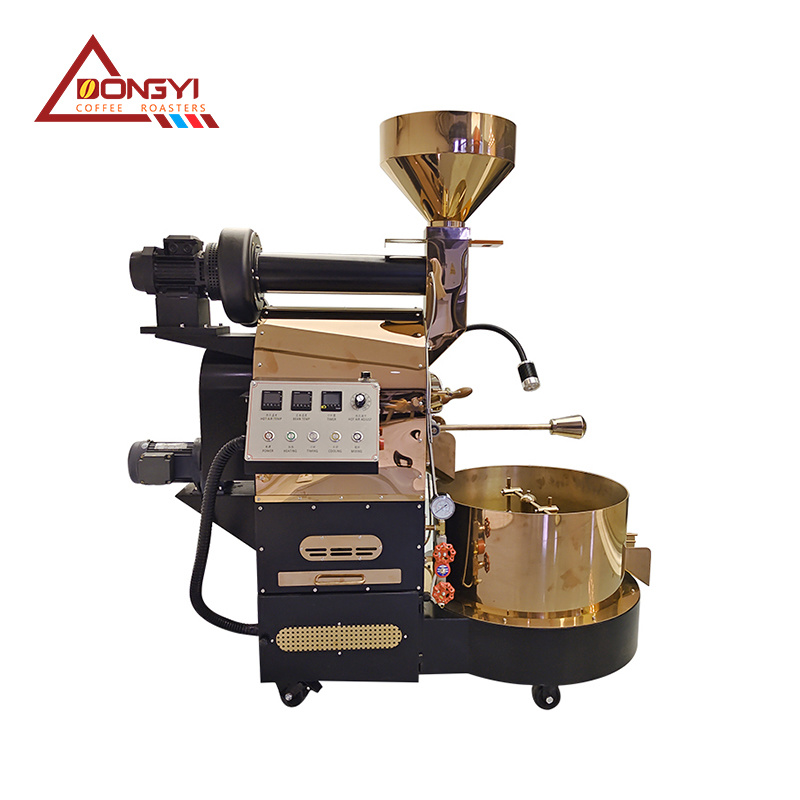

China BlGGEST coffee roaster manufacter factory, l year exported up 2000sets to 35 world countries.
Mastering the Art of Custom Coffee Blends with a 1kg Gas Coffee Roaster
Time:
03 Aug,2026
Creating Custom Coffee Blends with a 1kg Gas Coffee Roaster
Table of Contents
- Understanding Coffee Roasting: The Basics
- Why Choose a 1kg Gas Coffee Roaster?
- Selecting the Perfect Coffee Beans for Your Blend
- The Roasting Process: Step-by-Step Guide
- Creating Your Custom Coffee Blend
- Tasting and Adjusting Your Blend
- Storing Your Coffee Blends for Freshness
- Frequently Asked Questions (FAQs)
- Conclusion
Understanding Coffee Roasting: The Basics
Coffee roasting is a delicate and intricate process that transforms green coffee beans into the aromatic, flavorful beans we brew every day. The roasting process affects the flavor profile, aroma, and overall quality of the coffee. During roasting, beans undergo physical and chemical changes that develop their unique characteristics. Understanding these changes is crucial for creating custom blends that satisfy your taste preferences.
Roasting can be classified into light, medium, and dark roasts, each offering distinct flavors and aromas. Light roasts preserve the original flavor of the beans, often highlighting floral and fruity notes. Medium roasts balance acidity and body, producing a more rounded flavor profile. Dark roasts provide bold, robust flavors with hints of chocolate or caramel, often masking the beans’ original characteristics.
Why Choose a 1kg Gas Coffee Roaster?
Investing in a 1kg gas coffee roaster has numerous advantages for both beginners and seasoned coffee enthusiasts. Here are several reasons why this specific type of roaster is an excellent choice:
Precision Control
A gas coffee roaster allows for precise temperature control, enabling you to achieve the perfect roast profile. The ability to adjust flame intensity helps maintain consistent heat throughout the roasting process.
Efficient Roasting
With a capacity of 1kg, this roaster strikes a balance between small-batch roasting and efficiency. It is ideal for home use while allowing you to experiment with different blends without overwhelming the process.
Better Flavor Development
Gas roasters typically provide better flavor development compared to electric roasters. The heat from gas creates a cleaner, more vibrant flavor profile, essential for crafting custom blends.
Enhanced Aroma
The roasting process produces various aromatic compounds, and gas roasters often enhance these aromas, leading to a more enjoyable sensory experience when brewing your coffee.
Selecting the Perfect Coffee Beans for Your Blend
The foundation of any great coffee blend lies in the selection of high-quality beans. Here are some critical factors to consider when choosing your coffee beans:
Origin of the Beans
Different regions produce distinct flavor profiles. For example, Ethiopian beans are known for their fruity and floral notes, while Brazilian coffee often has chocolatey undertones. Experimenting with beans from various origins can help you create a diverse and exciting blend.
Bean Variety
Coffee beans fall into two main categories: Arabica and Robusta. Arabica beans are generally regarded as superior in flavor, while Robusta beans are more robust and contain higher caffeine levels. A blend of both can create a balanced coffee with depth and richness.
Freshness of Beans
Always opt for freshly roasted beans. Stale beans can significantly impact the flavor of your blend. Look for reputable suppliers who roast their beans in small batches and provide roast dates.
The Roasting Process: Step-by-Step Guide
Roasting coffee may seem daunting at first, but breaking it down into manageable steps will simplify the process. Here’s a detailed guide to roasting your coffee beans using a 1kg gas coffee roaster:
Step 1: Preheat the Roaster
Before adding your beans, preheat your gas coffee roaster to an appropriate temperature. A common starting point is around 200°C (392°F). This preheating phase ensures even roasting from the start.
Step 2: Add the Coffee Beans
Once your roaster is preheated, add your chosen green coffee beans. For a 1kg roaster, a maximum of 1kg should be used for optimal results.
Step 3: Monitor the Roast Development
Keep a close eye on the beans as they roast. Listen for the first crack, which usually occurs between 190°C and 205°C (374°F to 401°F). This crack indicates that the beans are transitioning from light to medium roast.
Step 4: Adjust Heat as Needed
Adjust the gas flame to control the roast development. If you want a lighter roast, reduce the heat after the first crack. For a darker roast, maintain or increase the flame to reach the second crack.
Step 5: Cool the Beans
Once your desired roast level is achieved, quickly cool the beans to halt the roasting process. Most gas roasters have a cooling tray to facilitate this. Ensuring the beans cool rapidly preserves their flavor.
Creating Your Custom Coffee Blend
Now that you have roasted your beans, it’s time to create your custom blend. Here are some tips for blending various roasted beans:
Experiment with Ratios
Start by experimenting with different ratios of beans from various origins. A common starting point is a 70/30 blend, but feel free to adjust based on your flavor preferences.
Consider Flavor Profiles
Think about the flavors you want in your blend. If you prefer fruity notes, consider a higher percentage of Ethiopian beans. For chocolatey undertones, incorporate Brazilian beans.
Blend for Brewing Methods
Different brewing methods can highlight various aspects of your blend. For espresso, a blend with a higher percentage of Robusta may work well, while pour-over methods might benefit from a more delicate Arabica blend.
Tasting and Adjusting Your Blend
Tasting your coffee blend is an essential step in perfecting the flavor profile. Here’s how to evaluate and adjust your blend:
Taste Testing
Brew a small batch of your blend using your preferred brewing method. Pay attention to the aroma, flavor, acidity, and aftertaste. Take notes on what you like and what you want to improve.
Make Adjustments
Based on your tasting notes, adjust your blend ratios or roasting profiles. Don’t hesitate to experiment; coffee blending is an art that requires practice and patience.
Storing Your Coffee Blends for Freshness
Proper storage is crucial for maintaining the freshness of your custom coffee blends. Here are some best practices:
Use Airtight Containers
Store your coffee in airtight containers to protect it from air, moisture, and light. Glass jars with rubber seals or vacuum-sealed bags work well.
Keep Away from Heat
Avoid storing your coffee blends in warm areas, such as above the stove. A cool, dark place is ideal for preserving freshness.
Limit Exposure to Air
Only open your coffee containers when necessary. Limiting exposure to air helps prevent staleness.
Frequently Asked Questions (FAQs)
1. How long should I roast my coffee beans?
The time varies based on your desired roast level. Typically, light roasts take about 8-10 minutes, while dark roasts may take 12-15 minutes.
2. Can I roast flavored coffee beans?
Yes, flavored coffee beans can be roasted. However, be cautious as the oils from flavoring can affect the roaster and the flavor profile.
3. How do I know when my coffee beans are roasted to perfection?
Monitoring the first and second cracks will give you a good indication of your roast level. Always trust your taste preferences!
4. Is gas roasting better than electric roasting?
Gas roasting typically provides better flavor development and more precise temperature control, making it a preferred choice for many coffee enthusiasts.
5. Can I blend my roasted coffee beans immediately?
It is advisable to allow your roasted coffee beans to rest for a day or two before blending to enhance the flavor profile.
Conclusion
Creating custom coffee blends with a 1kg gas coffee roaster is an enriching and rewarding experience. By understanding the fundamentals of roasting, selecting the right beans, and experimenting with blends, you can elevate your coffee game and enjoy a unique cup tailored to your preferences. Remember, great coffee is about exploration and refinement, so don't hesitate to experiment and find your perfect blend! Happy roasting!
Recommended

Phone/WhatsApp:
Email:
About Us
We are a real coffee roasting machine manufacturer, providing OEM and ODM services, we have established a series of brands with our own characteristics.
HUATAO GROUP
Leave Message
Expand your business with a trusted partner
SAF Coolest v1.3.1.2 设置面板 GDNSD-ZRUA-MDADE-ZZE
违禁词: 第一,最,一流,领先,独一无二,王者,龙头,领导者,极致,
无数据提示
Sorry, the current column is being updated, so stay tuned!