




China BlGGEST coffee roaster manufacter factory, l year exported up 2000sets to 35 world countries.
From Green to Gold: The Journey of Beans in a 2.5kg Coffee Roaster
Time:
29 Jan,2026
From Green to Gold: The Journey of Beans in a 2.5kg Coffee Roaster
Table of Contents
- Introduction to Coffee Roasting
- What Are Green Coffee Beans?
- The Roasting Process Explained
- The Science Behind Coffee Roasting
- Choosing the Right 2.5kg Coffee Roaster
- Roasting Techniques for Optimal Flavor
- Flavor Development During Roasting
- Common Roasting Mistakes to Avoid
- Frequently Asked Questions
- Conclusion
Introduction to Coffee Roasting
Coffee roasting is an art form and a science that brings out the incredible flavors locked within green coffee beans. The journey from green to gold does not just alter the color of the beans but transforms their aroma, taste, and overall character. A 2.5kg coffee roaster is an ideal choice for both budding coffee entrepreneurs and seasoned aficionados looking to perfect their craft.
What Are Green Coffee Beans?
Green coffee beans are simply raw, unroasted coffee beans. These beans are harvested from coffee cherries and undergo processing to remove the fruit and mucilage. The result is a hard, green bean that is rich in potential flavor but lacks the complex characteristics imparted by roasting. Understanding the properties of green beans is crucial for a successful roasting process.
Characteristics of Green Coffee Beans
Green coffee beans are characterized by their moisture content, size, and density. Different origins of green beans showcase unique attributes influenced by the geographical climate, altitude, and processing methods. These factors significantly impact the final flavor profile after roasting.
The Roasting Process Explained
The roasting process is a transformative journey that typically includes several key stages. When roasting coffee in a 2.5kg coffee roaster, these stages can be closely monitored and controlled to achieve desired outcomes.
Stages of Roasting
- Drying Stage: The initial heat application drives moisture out of the beans, typically lasting around 4-8 minutes.
- Maillard Reaction: This phase begins at approximately 300°F (150°C) and involves the breakdown of sugars and amino acids, creating complex flavors.
- First Crack: Occurring around 400°F (204°C), this audible crack indicates the release of steam and carbon dioxide, marking a pivotal moment in the roasting process.
- Development Phase: This stage allows for the further development of flavors, where roasters can control the roast degree for various flavor profiles.
- Second Crack: This is an optional stage for darker roasts occurring around 450°F (232°C), leading to a more pronounced roasted flavor and potential oiliness.
The Science Behind Coffee Roasting
Roasting coffee involves complex chemical reactions that transform the physical and chemical structure of the beans. Understanding these reactions can help roasters achieve specific flavor profiles and aromas.
Chemical Reactions During Roasting
- Caramelization: During the Maillard reaction, sugars caramelize, adding sweetness and body to the cup.
- Degradation of Acids: Certain acids break down during roasting, influencing the acidity level in the final brew.
- Formation of Aromatic Compounds: A multitude of volatile compounds develop, contributing to the aroma and flavor complexity.
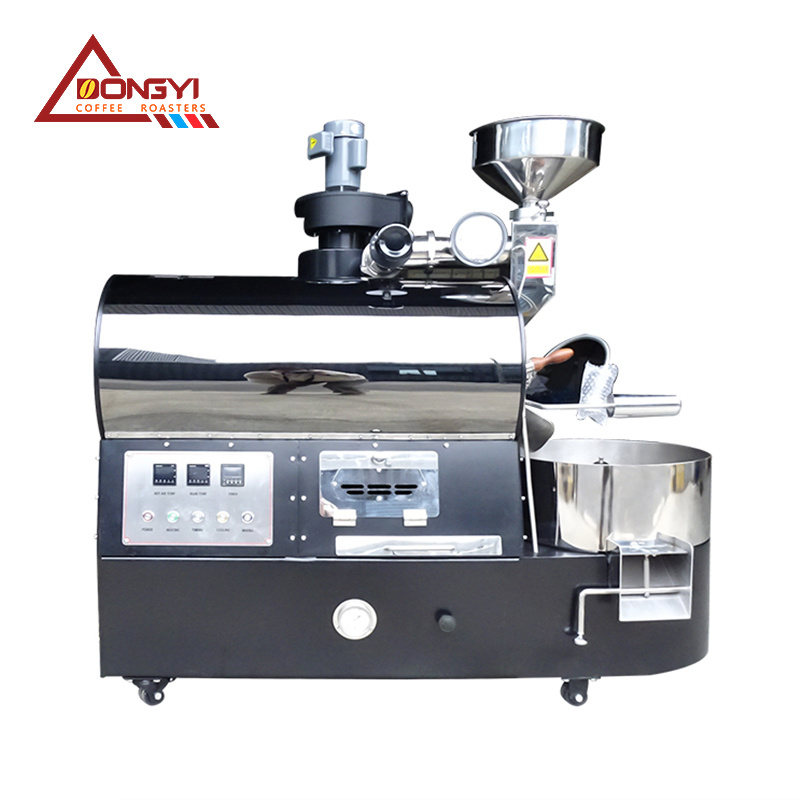
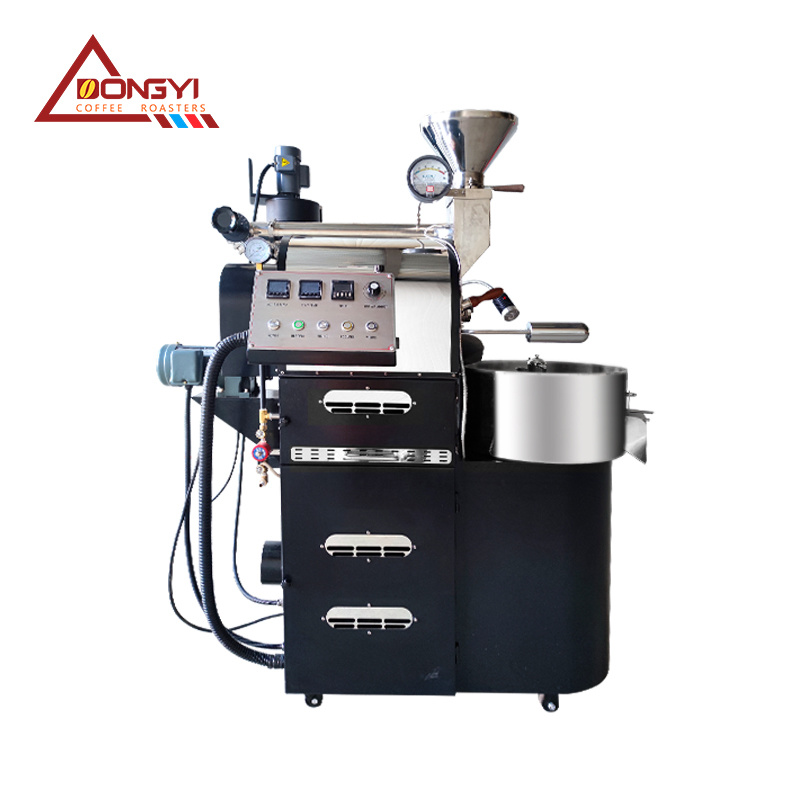
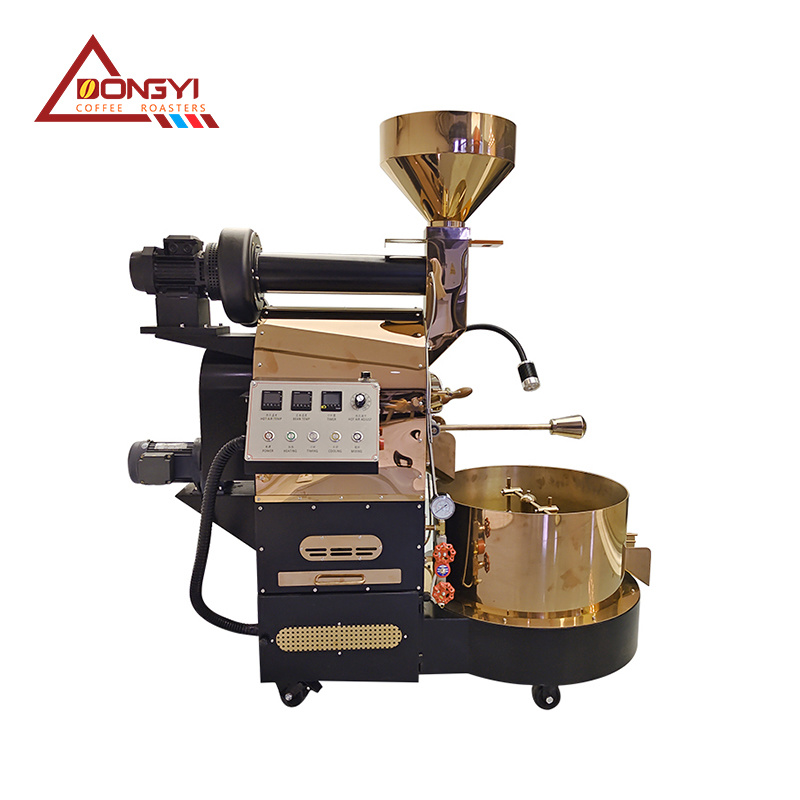
Choosing the Right 2.5kg Coffee Roaster
When selecting a 2.5kg coffee roaster, several factors come into play. It’s essential to consider the quality of materials, design, and features that contribute to a superior roasting experience.
Key Features to Look For
- Heat Source: Choose between gas or electric roasters based on your preferences and access to resources.
- Control Systems: Look for machines with precise temperature controls and profiles to ensure consistency in roasting.
- Durability: Opt for robust construction that can withstand the rigors of daily use while maintaining performance.
Roasting Techniques for Optimal Flavor
Mastering roasting techniques is critical for developing unique flavors in coffee. Different methods can yield distinct outcomes, and understanding these can elevate your roasting game.
Batch Size Considerations
When roasting with a 2.5kg coffee roaster, it's important to consider the batch size. Smaller batches allow for more precision in observing the roasting progress and adjusting variables as needed.
Profile Development
Roasters create specific profiles for different coffee beans, adjusting time and temperature to unlock the best characteristics. Experimenting with different profiles can lead to exciting discoveries in flavor.
Flavor Development During Roasting
As coffee beans roast, they undergo significant changes that define their flavor profile. Understanding the development of flavors is essential for achieving desired outcomes.
Factors Influencing Flavor
- Origin: Beans from different regions have distinct flavor notes that can be highlighted through specific roasting techniques.
- Roast Level: The degree of roast, from light to dark, alters the flavor dramatically, affecting sweetness, acidity, and body.
- Time and Temperature: Adjusting these variables allows roasters to manipulate flavor outcomes effectively.
Common Roasting Mistakes to Avoid
Even experienced roasters can fall into common pitfalls that impact the quality of their coffee. Awareness of these mistakes can enhance the roasting process.
Typical Errors
- Inconsistent Heat Application: Failing to maintain consistent heat can lead to uneven roasting, impacting flavor.
- Ignoring First and Second Cracks: Not paying attention to these key moments can result in undesirable roast levels.
- Neglecting Cooling Time: Allowing coffee to cool properly post-roast is crucial for flavor preservation.
Frequently Asked Questions
1. How long does it take to roast coffee in a 2.5kg roaster?
The roasting time typically ranges between 12 to 15 minutes, depending on the desired roast level and bean type.
2. What is the best roast level for flavor development?
The "best" roast level varies by personal preference, but medium roasts often strike a balance between acidity and sweetness, revealing nuanced flavors.
3. Can I roast coffee at home using a 2.5kg roaster?
Absolutely! A 2.5kg roaster is suitable for home use, especially for coffee enthusiasts who wish to experiment with different beans and profiles.
4. How does the origin of the beans affect roasting?
Origin influences flavor notes, acidity, and sweetness, affecting how the beans should be roasted to highlight their unique characteristics.
5. Is it necessary to let the coffee rest after roasting?
Yes, allowing coffee to rest for at least 24 hours post-roast helps develop the flavors further as gases escape from the beans.
Conclusion
The journey from green to gold in a 2.5kg coffee roaster is a fascinating process that transforms simple beans into a delightful sensory experience. By understanding the intricacies of roasting, from the science behind chemical reactions to the artistic application of techniques, coffee enthusiasts can elevate their craft. As you master the art of roasting, remember that each batch tells a story, and every cup is a celebration of this complex journey.
Recommended

Phone/WhatsApp:
Email:
About Us
We are a real coffee roasting machine manufacturer, providing OEM and ODM services, we have established a series of brands with our own characteristics.
HUATAO GROUP
Leave Message
Expand your business with a trusted partner
SAF Coolest v1.3.1.2 设置面板 GDNSD-ZRUA-MDADE-ZZE
无数据提示
Sorry, the current column is being updated, so stay tuned!