




China BlGGEST coffee roaster manufacter factory, l year exported up 2000sets to 35 world countries.
From Green Beans to Brew: The Ultimate Journey with a 60kg Coffee Roaster
Time:
06 Feb,2026
From Green Beans to Brew: The Ultimate Journey with a 60kg Coffee Roaster
Table of Contents
- Understanding Coffee: From Seed to Green Bean
- The Role of a 60kg Coffee Roaster in Coffee Production
- How Coffee Roasting Works: The Science Behind the Roast
- Selecting the Right Coffee Beans for Roasting
- Setting Up Your 60kg Coffee Roaster: A Step-by-Step Guide
- Mastering the Roasting Process: Techniques and Tips
- Quality Control: Ensuring Consistency in Your Roasts
- The Future of Coffee Roasting: Innovations and Trends
- Frequently Asked Questions (FAQs)
Understanding Coffee: From Seed to Green Bean
The journey of coffee begins long before it reaches your cup. Coffee beans originate from the fruit of the coffee plant, known as cherries. These cherries undergo a meticulous process of harvesting, pulping, and drying to become green beans. Factors such as the altitude, climate, and soil composition play a crucial role in determining the quality and flavor profile of the final product. Understanding this process is essential for anyone involved in coffee roasting, as it influences the roasting techniques and outcomes.
The Role of a 60kg Coffee Roaster in Coffee Production
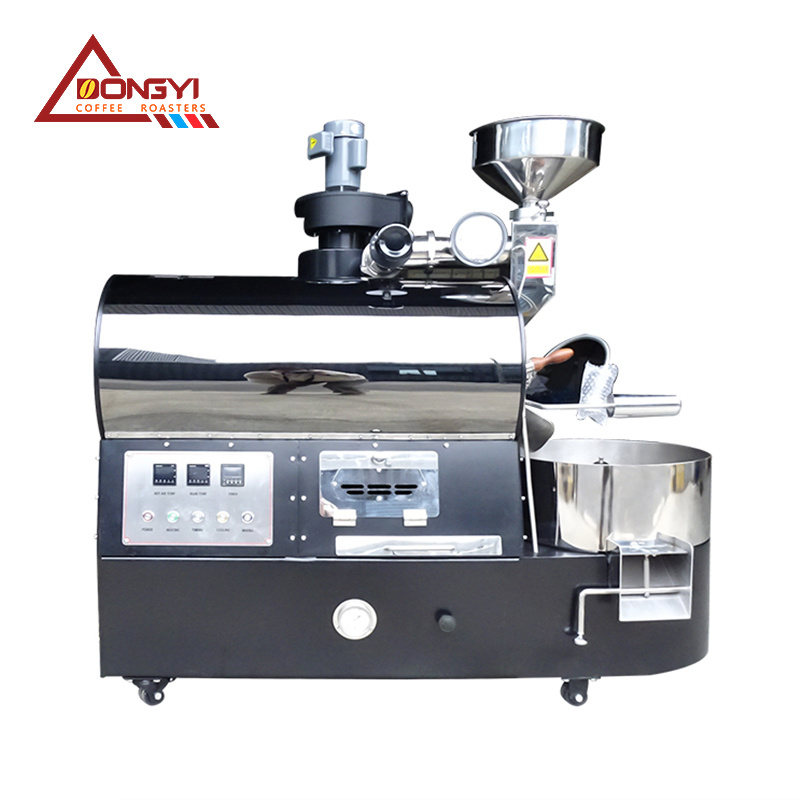
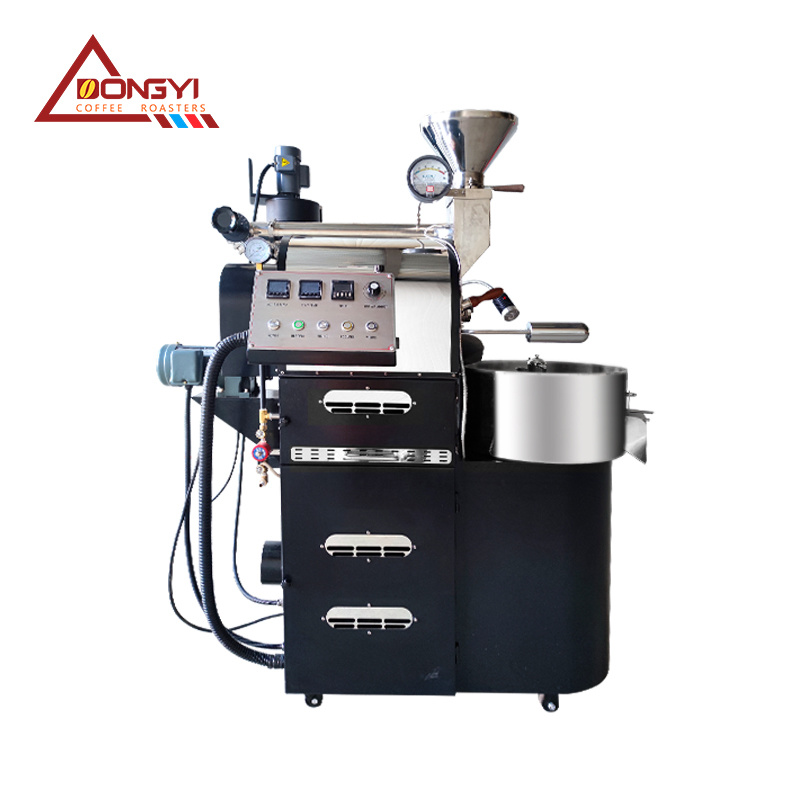
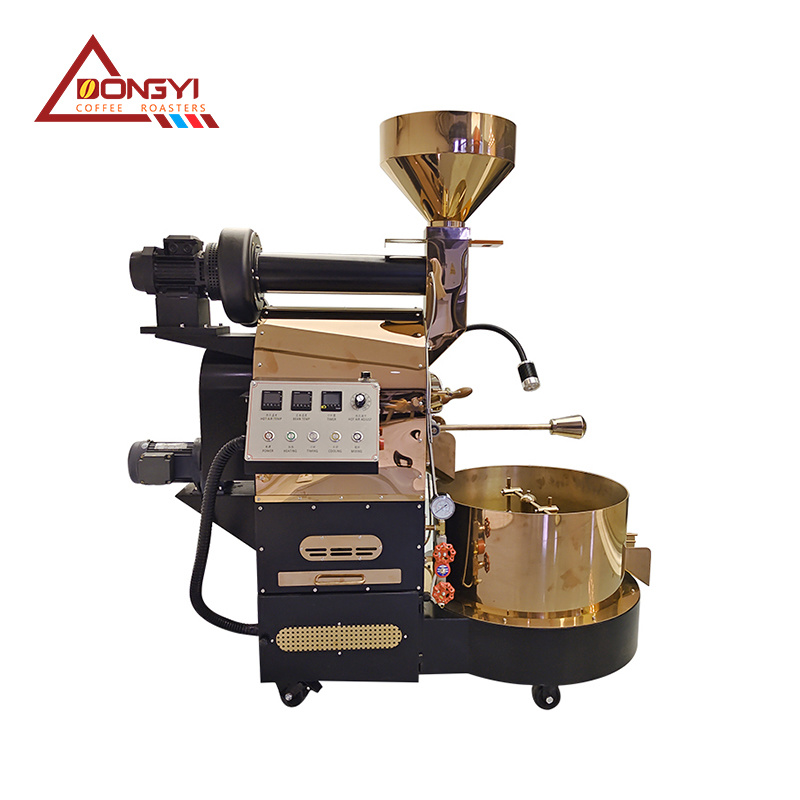
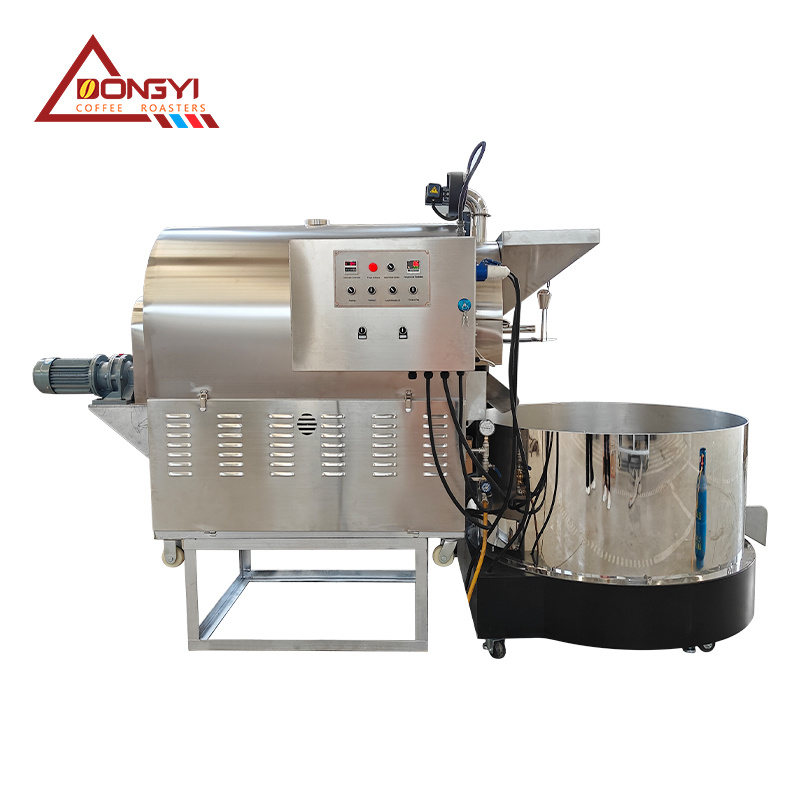
A **60kg coffee roaster** is a significant asset for any coffee business aiming to scale operations. This industrial-grade equipment is designed to roast large batches of beans consistently, ensuring uniform flavor development. The size of the roaster not only affects the volume of coffee produced but also the roasting time and temperature control, which are critical for achieving the desired roast profile.
Advantages of Using a 60kg Coffee Roaster
- **Efficiency**: Capable of roasting up to 60 kilograms of beans in a single batch, significantly increasing productivity.
- **Precision**: Advanced settings allow for meticulous control over roasting parameters, ensuring every batch meets quality standards.
- **Versatility**: Ideal for various roast profiles, from light to dark, catering to diverse customer preferences.
How Coffee Roasting Works: The Science Behind the Roast
Roasting is a complex chemical process that transforms green beans into the aromatic, flavorful coffee we enjoy. During roasting, several key reactions occur:
Key Stages of Coffee Roasting
1. **Drying Phase**: The moisture content in green beans evaporates, preparing them for roasting.
2. **Maillard Reaction**: This is where sugars and amino acids react to create complex flavors and aromas.
3. **First Crack**: Occurs when the beans reach around 196°C, indicating that the roast is entering a light roast phase.
4. **Development Time**: After the first crack, the roast can be developed further to achieve desired flavor notes.
Selecting the Right Coffee Beans for Roasting
Choosing high-quality coffee beans is crucial for achieving exceptional roasts. Factors to consider include:
Varietal and Origin
Different coffee varietals, such as Arabica and Robusta, have unique flavor profiles. Additionally, beans sourced from specific regions (e.g., Ethiopian Yirgacheffe, Colombian Supremo) carry distinct characteristics influenced by their growing conditions.
Green Bean Quality
Inspect beans for defects, moisture content, and size uniformity. High-quality beans will produce superior results during roasting.
Setting Up Your 60kg Coffee Roaster: A Step-by-Step Guide
Proper setup of your coffee roaster is fundamental to achieving optimal results. Follow these steps to ensure your equipment is ready for use:
1. **Placement**: Position the roaster in a well-ventilated area to avoid heat buildup and ensure safety.
2. **Calibration**: Regularly calibrate the machine to maintain accurate temperature settings.
3. **Preheating**: Preheat the roaster to the desired temperature before adding green beans.
Mastering the Roasting Process: Techniques and Tips
The art of roasting involves mastering various techniques to achieve the desired flavor profiles. Here are some essential tips:
Monitoring Temperature and Time
Keep a close eye on both the temperature and time throughout the roasting process. Adjust settings as necessary to avoid under or over-roasting.
Experimenting with Roast Profiles
Don’t hesitate to experiment with different roast profiles. Document your methods and results to refine your techniques over time.
Quality Control: Ensuring Consistency in Your Roasts
Consistency is key in coffee roasting. Implement quality control measures to maintain the same flavor profile across different batches.
Cupping and Tasting
Regular cupping sessions allow for assessment of the roast quality. Involve a panel of tasters to gain diverse feedback.
Batch Tracking
Keep records of each batch, including bean origin, roast profile, and any adjustments made. This information is invaluable for troubleshooting and maintaining consistency.
The Future of Coffee Roasting: Innovations and Trends
As the coffee industry evolves, so does the technology behind roasting. Innovations such as advanced roasting software, online monitoring, and AI-driven analytics are changing the landscape. Being aware of these trends can give your business a competitive edge.
Sustainability Practices
With the growing emphasis on sustainability, consider integrating eco-friendly practices into your roasting process. This includes sourcing beans from sustainable farms and reducing energy consumption during roasting.
Frequently Asked Questions (FAQs)
1. What is the ideal temperature for roasting coffee beans?
The ideal roasting temperature varies by desired roast level, but it typically ranges between 180°C to 250°C.
2. How long does it take to roast coffee in a 60kg roaster?
Roasting time can vary based on the desired roast profile, but generally, it takes between 10 to 20 minutes for a full batch.
3. How can I improve consistency in my roasts?
Maintaining consistent temperature control, tracking batch details, and conducting regular cupping sessions can greatly enhance roast consistency.
4. What types of coffee beans are best for roasting?
High-quality Arabica beans are often preferred for their diverse flavor profiles, while Robusta beans can be used for a stronger taste and crema in espresso.
5. How often should I clean my coffee roaster?
Regular cleaning after every use, along with deep cleaning weekly or bi-weekly, is essential to maintain the roaster’s performance and the quality of your coffee.
Conclusion
The journey from green beans to brew is one filled with passion, precision, and creativity. A **60kg coffee roaster** plays a vital role in this process, enabling coffee businesses to produce high-quality, consistent, and delicious coffee. Understanding the nuances of roasting, selecting the right beans, and utilizing innovative techniques can elevate your craft, ensuring that each cup of coffee tells its own unique story. By embracing these practices, you can thrive in the dynamic world of coffee roasting and satisfy the ever-evolving tastes of coffee lovers everywhere.
Recommended

Phone/WhatsApp:
Email:
About Us
We are a real coffee roasting machine manufacturer, providing OEM and ODM services, we have established a series of brands with our own characteristics.
HUATAO GROUP
Leave Message
Expand your business with a trusted partner
SAF Coolest v1.3.1.2 设置面板 GDNSD-ZRUA-MDADE-ZZE
违禁词: 第一,最,一流,领先,独一无二,王者,龙头,领导者,极致,
无数据提示
Sorry, the current column is being updated, so stay tuned!