




China BlGGEST coffee roaster manufacter factory, l year exported up 2000sets to 35 world countries.
A Comprehensive Beginner's Guide to Mastering a 2.5kg Coffee Roaster
Time:
09 Apr,2026
A Comprehensive Beginner's Guide to Mastering a 2.5kg Coffee Roaster
Table of Contents
- Introduction to Coffee Roasting
- Understanding the 2.5kg Coffee Roaster
- Coffee Roasting Process Overview
- Preparing for Roasting
- Operating the 2.5kg Coffee Roaster
- Cooling the Coffee Beans
- Troubleshooting Common Issues
- Cleaning and Maintaining Your Roaster
- Frequently Asked Questions
- Conclusion
Introduction to Coffee Roasting
Coffee roasting transforms green coffee beans into the aromatic, flavorful beans that we love. This process is both an art and a science, requiring practice, patience, and a keen understanding of the roasting variables. For those new to the craft, mastering the operation of a 2.5kg coffee roaster can seem daunting. However, with this comprehensive guide, we will break down the steps, techniques, and tips necessary for achieving exceptional roast quality, allowing you to produce coffee that impresses all.
Understanding the 2.5kg Coffee Roaster
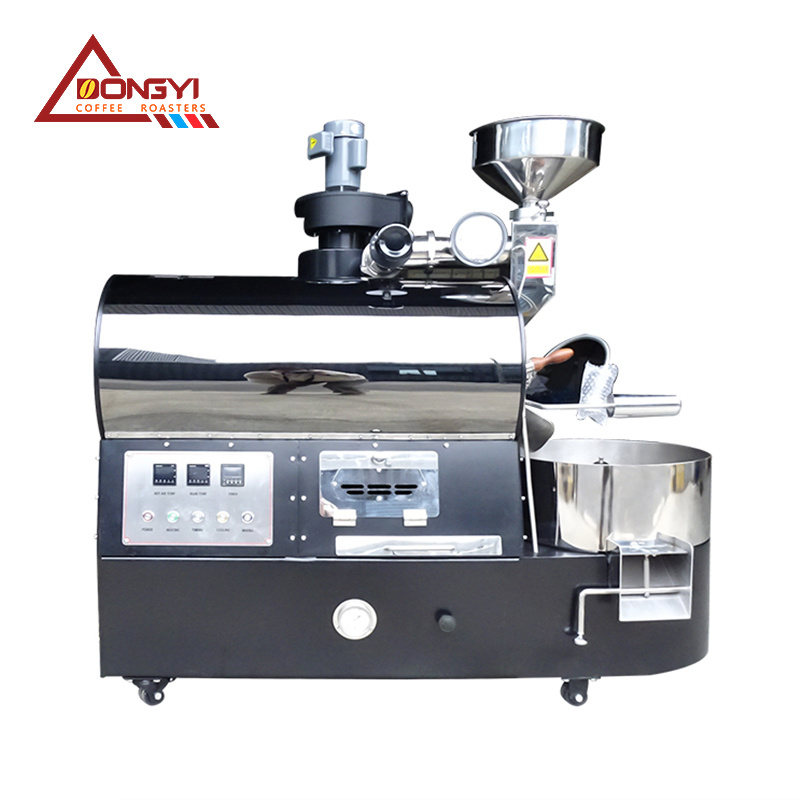
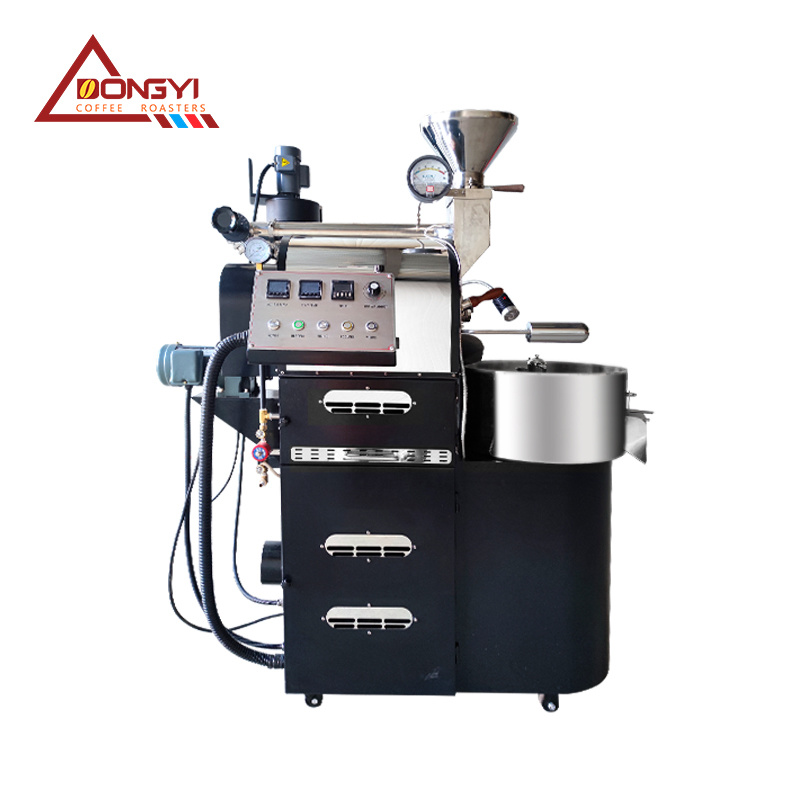
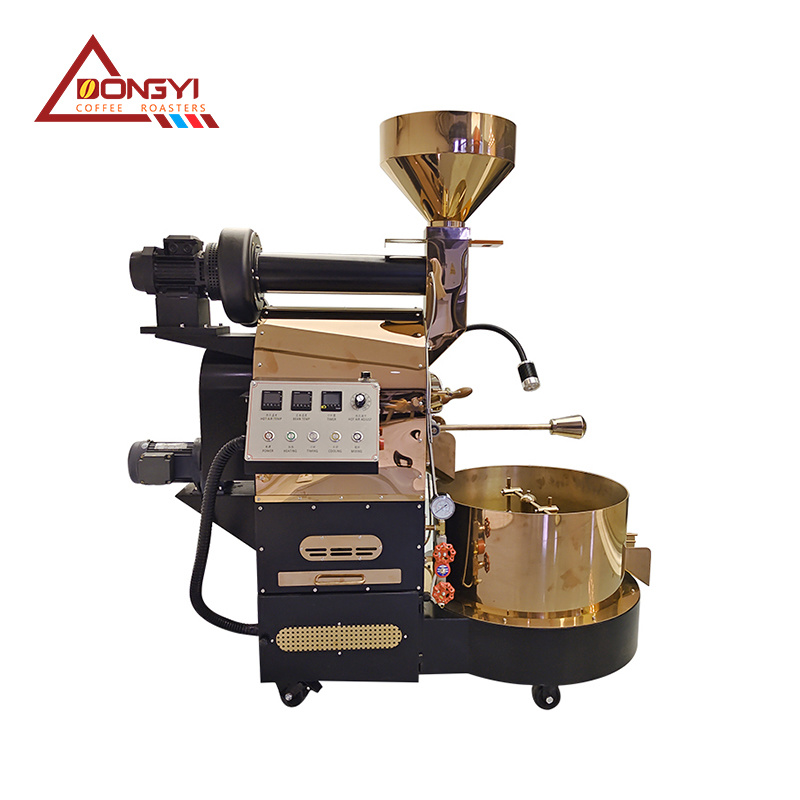
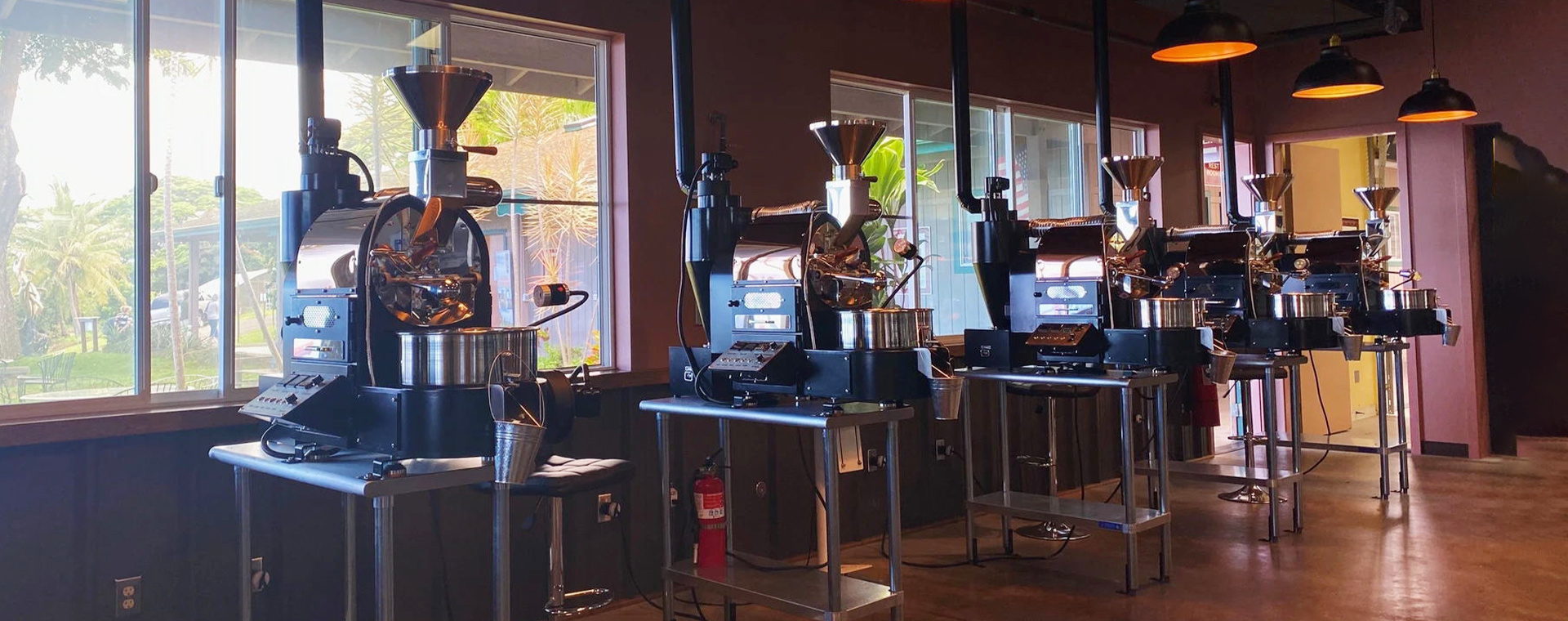
A 2.5kg coffee roaster is designed for small to medium-scale roasting operations, making it ideal for artisanal coffee shops, small businesses, or serious home enthusiasts. Unlike larger roasters used by commercial coffee producers, the 2.5kg model offers a balance between capacity and manageability.
The Key Components of a 2.5kg Coffee Roaster
Understanding your roaster's components is crucial for effective operation. Key elements include:
- **Roasting Chamber**: This is where the green beans are roasted. The size and shape can influence the evenness of the roast.
- **Heat Source**: Most 2.5kg roasters use either gas or electric heat systems. Gas offers more control over temperature fluctuations.
- **Cooling Tray**: After roasting, beans need to cool quickly to stop the roasting process. The cooling tray facilitates this.
- **Exhaust System**: Proper ventilation is essential for managing smoke and chaff produced during roasting.
Coffee Roasting Process Overview
The roasting process can be broken down into several stages, each producing unique flavors and aromas.
1. Drying Stage
In this initial phase, moisture within the beans evaporates. This typically occurs at lower temperatures (around 150°C to 180°C) and lasts for approximately 4 to 8 minutes. A well-executed drying stage sets the foundation for the subsequent roasting phases.
2. Maillard Reaction
As the beans reach around 180°C to 205°C, the Maillard reaction begins, producing complex flavors and aromas. This stage is critical for developing the coffee's character, often lasting about 3 to 5 minutes.
3. First Crack
At approximately 205°C to 220°C, the first crack occurs. This audible sound signifies that the beans have reached a light roast. Many coffee aficionados prefer to stop roasting at this stage, preserving the beans’ brighter, more acidic flavors.
4. Development Time
After the first crack, roasters can choose to extend the roasting time, allowing the beans to develop deeper, richer flavors. This is often referred to as the development stage, where darker roasts are achieved.
5. Second Crack
If roasting continues beyond the first crack, the second crack will occur at around 225°C to 240°C. This denotes a dark roast and is often accompanied by an oily surface on the beans.
Preparing for Roasting
Before the roasting begins, several preparatory steps should be taken to ensure a successful batch.
1. Selecting Your Green Coffee Beans
Choose high-quality green coffee beans based on the flavor profile you desire. Different varieties yield different tastes. Consider characteristics such as origin, processing method, and altitude.
2. Setting Up the Roaster
Ensure your roaster is clean and in proper working condition. Check the heat source, adjust settings according to your roast profile, and preheat the roaster.
3. Measuring Your Beans
For a 2.5kg roaster, measure the appropriate amount of green beans. It's essential to maintain even weight for consistent roasting results.
Operating the 2.5kg Coffee Roaster
Now that you're prepared, it's time to operate the roaster effectively.
1. Starting the Roaster
Begin by turning on the roaster and adjusting the thermostat to your desired temperature. Monitor the temperature closely, as fluctuations can affect the roast quality.
2. Adding Green Beans
Once the roaster reaches the desired temperature, add the green beans to the roasting chamber. Keep an eye on the time, and note the temperature continuously.
3. Monitoring the Roast
As the beans roast, observe the color change, listen for cracks, and smell the aromas. Documenting these cues helps refine your future roasts.
4. Stopping the Roast
Decide when to stop the roast based on personal preference or desired roast level. Use a timer and a thermometer to ensure precision.
Cooling the Coffee Beans
Once the roasting process is complete, it’s crucial to cool the beans immediately to halt the roasting process.
1. Using the Cooling Tray
Transfer the roasted beans to the cooling tray. Stirring them helps facilitate the cooling process by increasing air circulation.
2. Checking for Chaff
As the beans cool, they will shed chaff, which can impact flavor if not removed. Ensure that the cooling area is set up to handle this by using a chaff collector.
Troubleshooting Common Issues
Even experienced roasters encounter challenges. Here are some common issues and their solutions.
1. Uneven Roast
If your beans are unevenly roasted, check your loading technique. Make sure the beans are spread evenly in the roasting chamber and that proper airflow is maintained.
2. Under-Roasted Beans
If your beans are under-roasted, consider increasing the roasting time or temperature. Monitor closely to avoid burning.
3. Over-Roasted Beans
To prevent over-roasting, decrease the temperature slightly or reduce the roasting time. Practice is key to finding the optimal balance.
Cleaning and Maintaining Your Roaster
Regular maintenance ensures the longevity and efficiency of your roaster.
1. Daily Cleaning
After each roasting session, clean the roasting chamber and cooling tray to remove any residual chaff and oils.
2. Weekly Inspections
Conduct weekly inspections to check for wear and tear on components. This includes examining electrical connections and cleaning the exhaust system.
3. Annual Servicing
Schedule professional servicing annually to ensure all parts are functioning correctly.
Frequently Asked Questions
1. What is the best roast profile for a 2.5kg coffee roaster?
The best roast profile varies by bean type, but a common approach involves a gradual increase in temperature, allowing for a well-rounded flavor.
2. How long does it take to roast coffee in a 2.5kg roaster?
Typically, roasting can take between 10 to 20 minutes, depending on the roast level desired.
3. Can I roast different coffee bean varieties together?
It’s best to roast similar beans together, as different varieties have different roasting times and temperature needs.
4. How do I store roasted coffee beans?
Store roasted beans in an airtight container away from light, heat, and moisture to maintain freshness.
5. What is the ideal resting time for roasted coffee beans?
Allowing your beans to rest for 24-48 hours post-roasting enhances flavor development.
Conclusion
Operating a 2.5kg coffee roaster may seem intimidating initially, but with practice and an understanding of the roasting process, anyone can become proficient. By following the steps outlined in this guide, you can master the art of coffee roasting and consistently produce high-quality coffee that delights your customers or friends. Remember, the journey of coffee roasting is one of continuous learning and improvement, so take the time to experiment and perfect your technique. Happy roasting!
Recommended

Phone/WhatsApp:
Email:
About Us
We are a real coffee roasting machine manufacturer, providing OEM and ODM services, we have established a series of brands with our own characteristics.
HUATAO GROUP
Leave Message
Expand your business with a trusted partner
SAF Coolest v1.3.1.2 设置面板 GDNSD-ZRUA-MDADE-ZZE
违禁词: 第一,最,一流,领先,独一无二,王者,龙头,领导者,极致,
无数据提示
Sorry, the current column is being updated, so stay tuned!