




China BlGGEST coffee roaster manufacter factory, l year exported up 2000sets to 35 world countries.
PID Gas Coffee Roaster: Precision Control for Consistent and High-Quality Coffee Roasting
Time:
10 Apr,2026
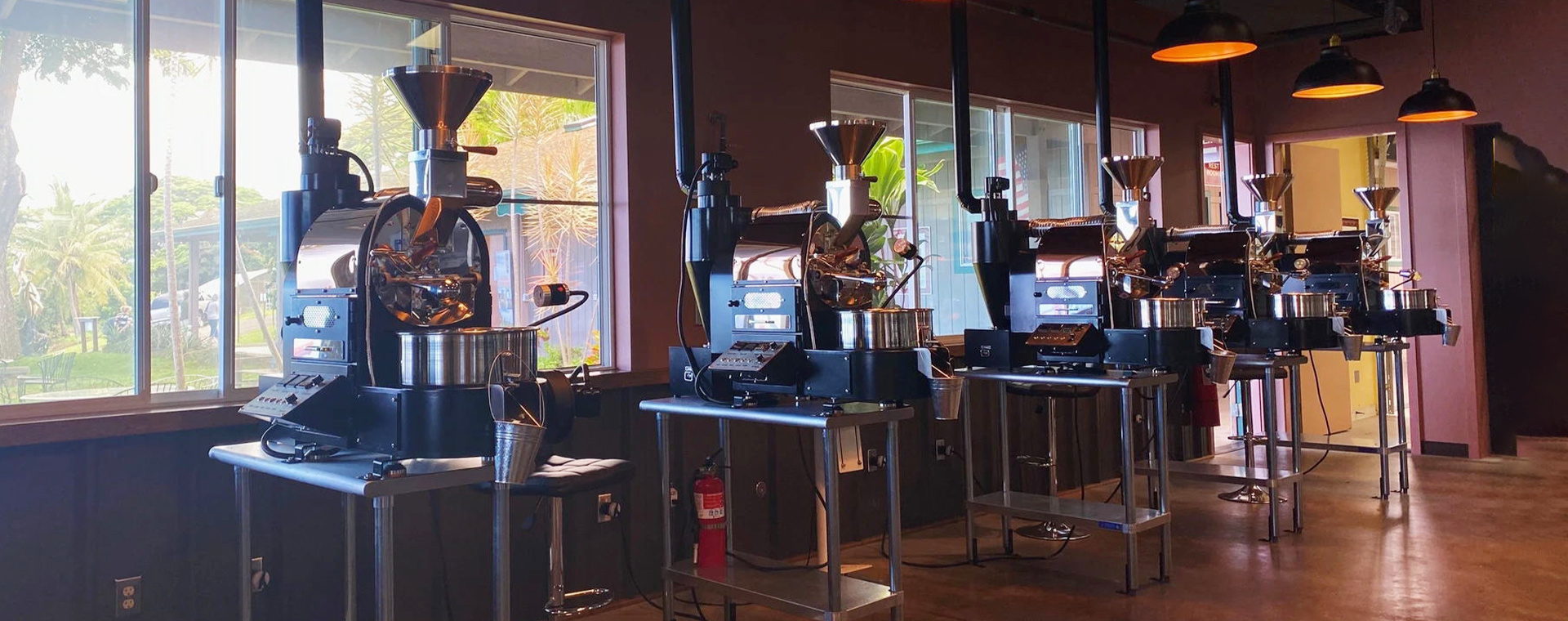
In the specialty coffee industry, consistency and control are essential to achieving high-quality roasting results. The PID Gas Coffee Roaster has become an important solution for medium to large-scale coffee roasting operations that require stable temperature management, repeatable roasting profiles, and efficient production performance. By combining traditional gas heating with advanced PID temperature control technology, this machine offers a balanced approach between manual roasting flexibility and digital precision.

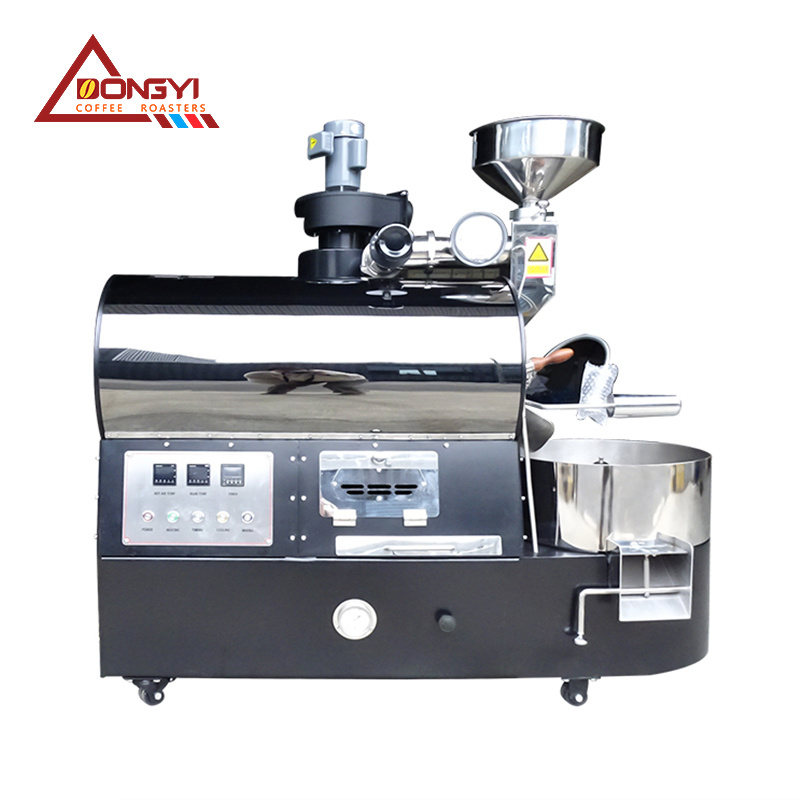
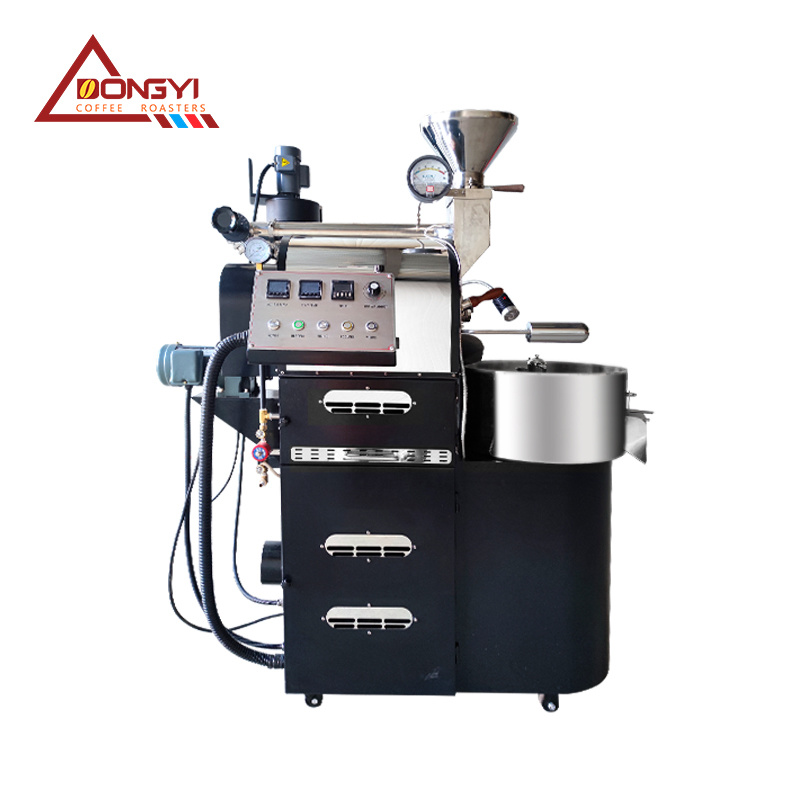
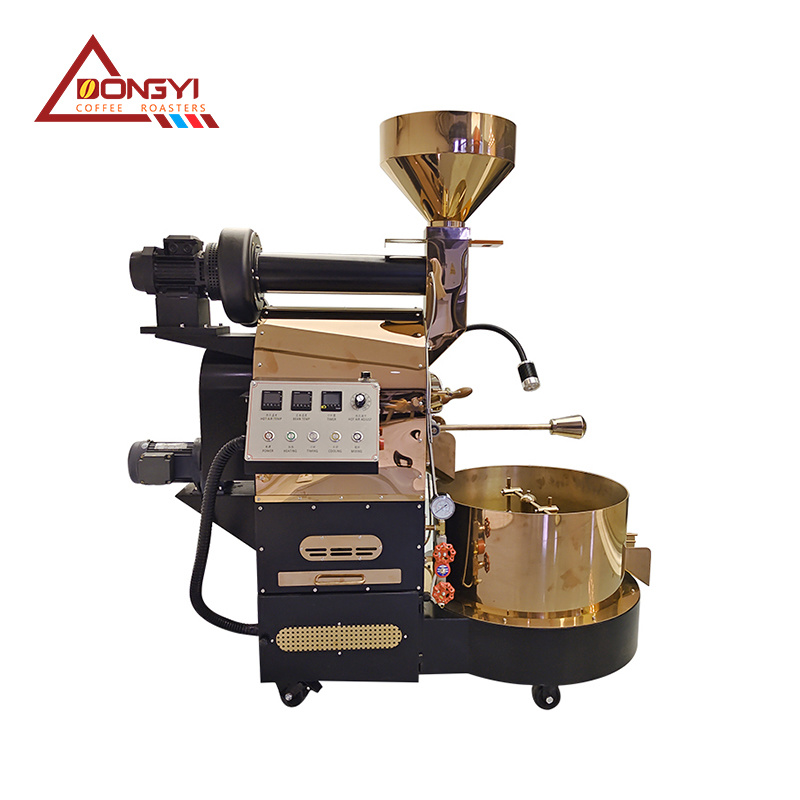
The DY-30KG PID Gas Coffee Roaster is designed for commercial roasting environments where batch consistency and flavor stability are critical. With a large batch capacity of around 30kg per cycle, it supports continuous production while maintaining uniform heat distribution across the roasting drum. The PID control system continuously monitors and adjusts temperature in real time, helping roasters achieve precise control over key roasting stages such as drying, Maillard reaction, and development phase. This ensures that each batch maintains consistent flavor characteristics even under high-volume production demands.
One of the key advantages of this system is its gas heating structure combined with intelligent temperature regulation. Gas heating provides strong and responsive thermal energy, while the PID controller fine-tunes fluctuations to maintain stable roasting curves. This combination reduces the risk of overheating or uneven roasting, which is especially important for specialty coffee beans that require delicate temperature adjustments.
Behind the performance of the PID Gas Coffee Roaster is a carefully engineered manufacturing process. The machine is built using food-grade stainless steel components and a double-layer drum structure designed to improve heat retention and stability. During production, each mechanical part undergoes precision machining to ensure accurate assembly and smooth rotation. The drum system is dynamically balanced to reduce vibration and improve long-term operational stability.
The factory production process follows a strict quality management system, covering material selection, welding, assembly, and full-system testing. High-temperature resistance tests and continuous roasting simulations are conducted to ensure durability under industrial workloads. Each unit is also tested for temperature accuracy, gas efficiency, and airflow balance before delivery, ensuring stable performance in real-world roasting environments.
Innovation is also reflected in the integration of digital control systems. The PID controller allows operators to set and store roasting profiles, making it easier to replicate successful roast curves. Some configurations also support data logging functions, enabling roasters to analyze and refine roasting parameters over time. This makes the equipment suitable not only for production roasting but also for coffee research and flavor development.
In addition to performance, the design emphasizes usability and operational efficiency. The ergonomic structure of the roasting drum, cooling tray, and control panel is designed to improve workflow and reduce operator fatigue. The cooling system rapidly reduces bean temperature after roasting, helping preserve flavor quality and prevent over-roasting.
As demand for high-quality coffee continues to grow globally, equipment like the PID Gas Coffee Roaster plays a key role in supporting both small roasteries and industrial coffee production facilities. Its combination of precision control, durable construction, and stable gas heating makes it a practical solution for businesses seeking consistency and scalability.
For more technical details, configuration options, or application guidance, it is recommended to contact the manufacturer directly to explore customized roasting solutions tailored to specific production needs.
Recommended

Phone/WhatsApp:
Email:
About Us
We are a real coffee roasting machine manufacturer, providing OEM and ODM services, we have established a series of brands with our own characteristics.
HUATAO GROUP
Leave Message
Expand your business with a trusted partner
SAF Coolest v1.3.1.2 设置面板 GDNSD-ZRUA-MDADE-ZZE
无数据提示
Sorry, the current column is being updated, so stay tuned!